
In modern payment systems—whether using credit cards, debit cards, virtual cards, or e-wallets—users often encounter a familiar status after initiating a transaction: "Pending." While it may appear to be just a temporary phase in the payment process, the logic, impact, and roles of different participants behind it are far more complex and significant. Today, we will take a deep dive into the meaning of the "Pending" status within the full payment lifecycle, examining its causes, timing mechanisms, and risk management implications.
What Is "Pending"?
"Pending" indicates that a transaction has been initiated by the cardholder and authorized by the issuing bank, but the funds have not yet been transferred to the merchant’s account.
In simpler terms:
-
The user sees the amount "held" or "reserved"
-
The merchant has not received the actual settlement
-
The bank and payment gateway are still in the process of reconciliation and clearing
Why Does a Payment Become Pending?
-
Authorization vs. Settlement
In a credit card transaction, the payment process consists of two key stages:
-
Authorization: Confirms sufficient funds and locks the amount for the transaction
-
Settlement: Moves the funds from the user’s account to the merchant’s account
The "Pending" status represents the in-between state of these two phases.
-
Network Delays & Batch Processing
To optimize efficiency, financial networks often process settlements in batches. During high-volume periods—such as weekends, holidays, or in the case of cross-border transactions—the Pending state may last longer.
-
Waiting for Merchant Confirmation or Fulfillment
In some cases, merchants wait until the product is shipped or the service is delivered before initiating settlement. This delay can cause the transaction to remain in a Pending state.
How Long Does a Payment Stay Pending?
Most Pending transactions are processed within 1 to 5 business days, depending on several factors:
| Influencing Factor | Impact on Pending Duration |
| Merchant’s settlement submission speed | Fast: ~1 day; Slow: >1 week |
| Holidays / Weekends | May delay processing |
| Type of transaction (e.g., gas, hotels) | Pre-authorizations tend to last longer |
| Payment network used (Visa, Mastercard) | Settlement timing may vary |

User Perspective: What Does Pending Mean?
Benefits:
-
Immediate visibility of transaction initiation
-
Reserved funds prevent over-spending
-
Adds transparency to the payment process
Risks & Inconveniences:
-
Final billed amount may differ from the Pending amount (due to FX rates or merchant adjustments)
-
Long delays in merchant settlement may "freeze" user funds
-
Some Pending transactions may eventually fail or be canceled, but funds remain on hold
Merchant Perspective: What Does Pending Indicate?
For merchants, a Pending transaction means:
-
The customer’s intent to pay has been verified
-
Funds are not yet settled or deposited
-
Commonly used in sensitive industries (e.g., hotels, car rentals) for security deposits or credit verification
Merchants must submit a settlement request within a defined window (usually 7 days); otherwise, the authorization expires and the transaction fails.
Risk Management Role of Pending
-
Fraud Detection Window
During the Pending phase, banks and payment gateways can run fraud detection algorithms to identify suspicious activity such as:
-
Unusual geolocation
-
High-frequency transactions
-
Device fingerprint anomalies
If risks are detected, the transaction can be declined or subjected to additional verification.
-
Chargebacks & Dispute Resolution
Pending status acts as a cooling-off period before settlement, giving users time to raise concerns or file complaints—potentially avoiding complex refunds or chargebacks post-settlement.
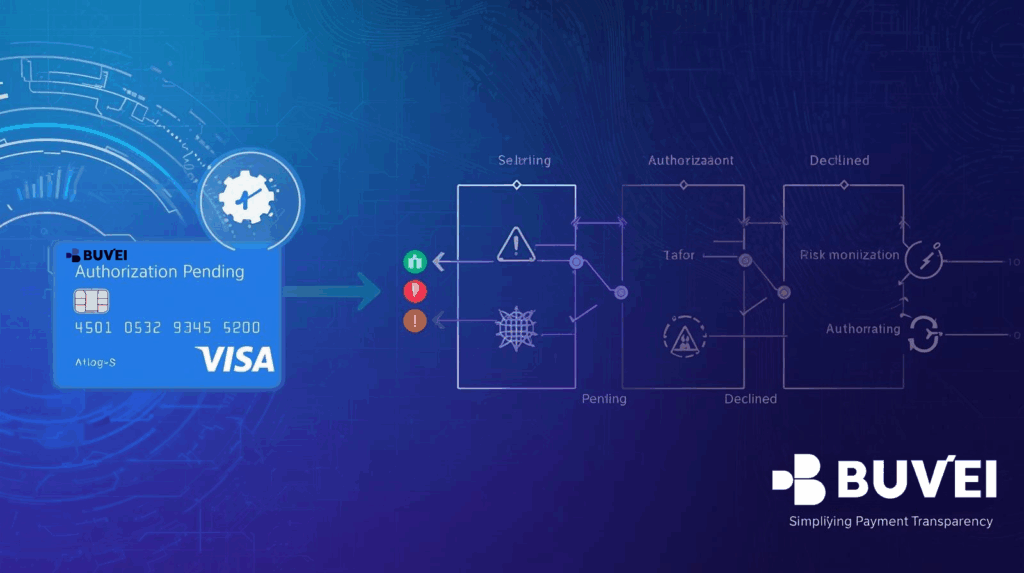
Comparison With Other Payment States
| Status | Meaning | User Impact | Reversible? |
| Pending | Authorized but not settled | Funds on hold | Yes (if merchant doesn't settle) |
| Declined | Transaction rejected | No funds moved | No |
| Settled | Transaction completed | Funds deducted | Refund required |
| Reversed | Authorization canceled | Hold released | Reflected instantly or in days |
What Should You Do About Long Pending Transactions?
-
If a Pending status lasts more than 7 days, contact your bank or payment provider for an update
-
If no goods/services were provided, ask the merchant to cancel the authorization
-
For pre-authorizations (e.g., hotels, gas stations), always confirm the actual billed amount afterward
Why "Pending" Is a Crucial Buffer in Payments
Although many users find Pending transactions confusing or frustrating, this status plays a vital role in the payment system. It strikes a balance between transaction security and user experience, while offering an important risk control window for financial institutions.
With the rise of real-time payment technologies (e.g., RTP) and blockchain-based clearing systems, Pending durations will continue to shrink. However, the core mechanism of Pending will remain essential in ensuring stability and security across the global payment ecosystem.
Redefining the Pending Experience
At Buvei, we understand that "Pending" is more than a transitional state—it reflects user trust, merchant efficiency, and financial security. That’s why we’ve built intelligent infrastructure to optimize every Pending transaction:
-
Instant Notifications: Users are alerted to status changes in real-time
-
Visualized Payment Flows: Our app offers complete visibility from Authorization to Settlement
-
AI-Driven Risk Engine: Pending transactions are continuously monitored for fraud and anomalies
We believe payments shouldn't feel like a black box—they should be transparent, reliable, and empowering. That’s the core vision behind Buvei’s payment solutions.
Ready to Experience the Future of Payments?
Whether you're a business or an individual, Buvei offers a complete, customizable, and secure payment ecosystem. With Buvei, Pending is no longer a pain point—it’s a signal of control and confidence.
🔹 Smarter enterprise transactions
🔹 Safer personal experiences
🔹 Intelligent fund movement
Buvei—Bringing clarity to every transaction in motion.
💡Want to stay ahead in the evolving world of digital payments?
Follow Buvei for the latest insights and secure, seamless cross-border payment solutions.