Introduction
In today’s expanding digital economy, businesses must choose the right payment processing model to ensure smooth online transactions. Two popular options—payment gateways and payment aggregators—often appear similar, yet they function differently. Understanding their key distinctions helps companies choose a solution that aligns with their size, risk tolerance, and operational needs.
This guide breaks down the differences between payment gateways and payment aggregators in simple terms, along with real-world use cases. You’ll also learn how virtual payment tools like Buvei can complement both models with secure, flexible virtual card payments.
What Is a Payment Gateway?
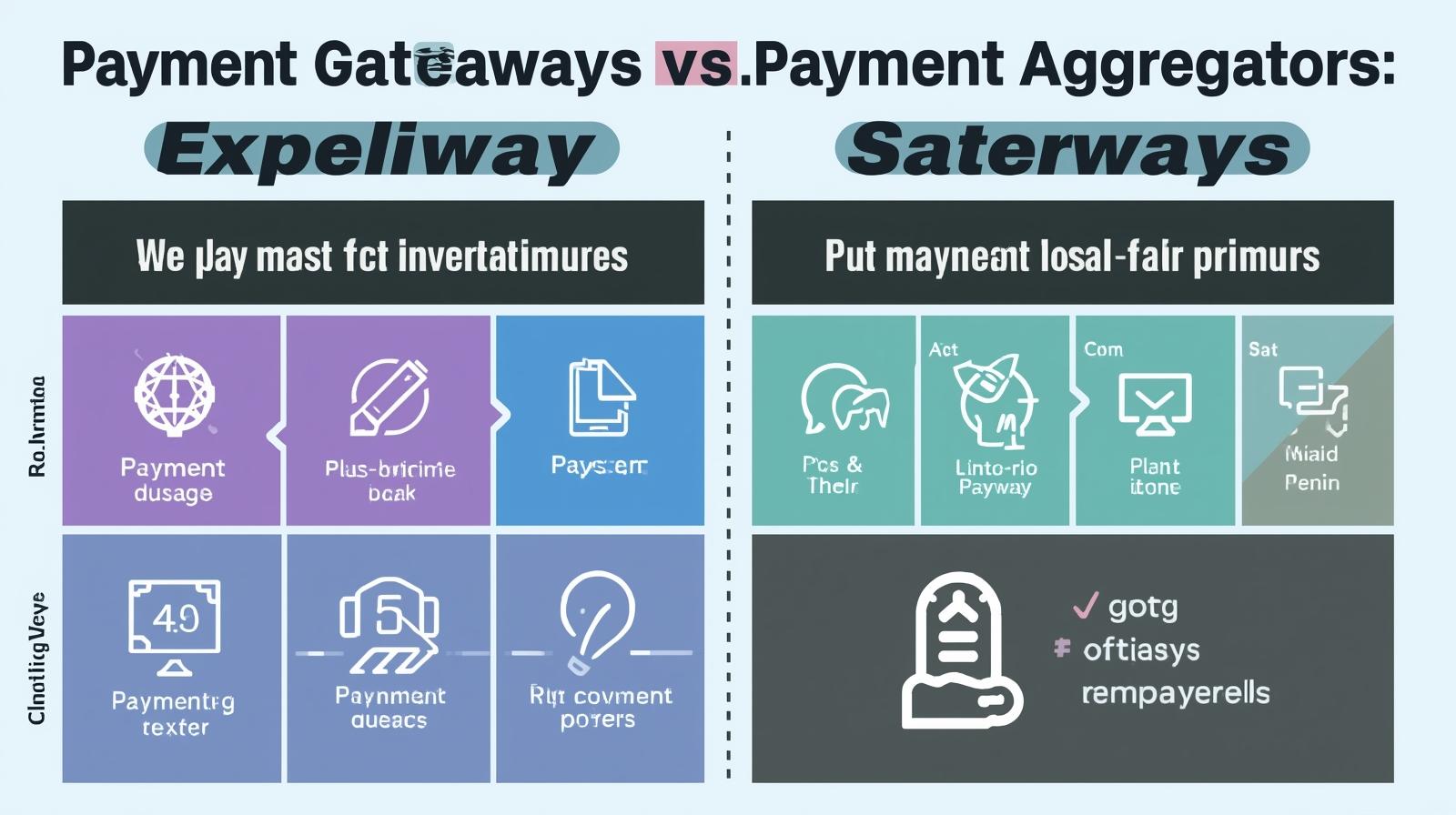
A payment gateway is a technology that securely transmits payment data between a customer, the merchant, and the acquiring bank. It acts as the digital point-of-sale terminal for online transactions.
Key characteristics:
-
Works as a bridge between the merchant’s website/app and the bank.
-
Requires the merchant to have a dedicated merchant account.
-
Typically used by medium to large businesses that need more control.
-
Offers direct agreements with banks and payment processors.
Advantages of a payment gateway:
-
Higher payment stability
-
Customizable security features
-
Brand-aligned payment flows
-
Lower long-term cost as businesses scale
Merchants with high transaction volumes often prefer a gateway for its long-term cost efficiency and control.
What Is a Payment Aggregator?
A payment aggregator (also known as a PSP or payment service provider) enables merchants to accept payments without opening their own merchant account. Multiple merchants share a single master merchant account under the aggregator.
Key characteristics:
-
Easy onboarding
-
Faster approval
-
Lower operational friction
-
Ideal for small to medium-sized businesses
Benefits of a payment aggregator:
-
Quick setup—merchants can start accepting payments in minutes
-
Simplified KYC and documentation
-
Wide acceptance of various payment methods
For smaller businesses, a payment aggregator offers accessibility and convenience without complex compliance requirements.
Key Differences Between Payment Gateway and Aggregator
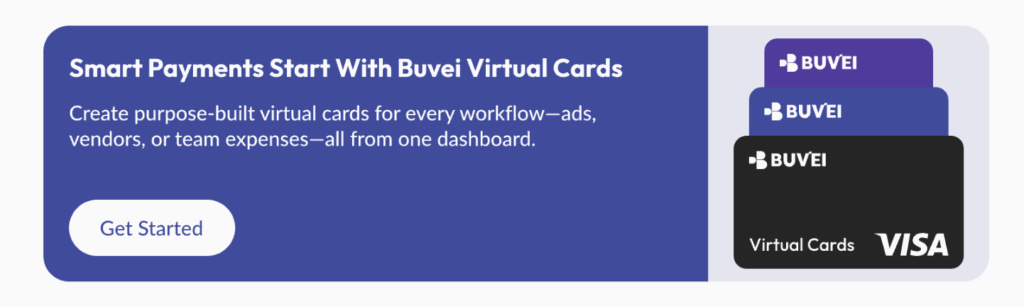
Understanding the core differences helps businesses choose the right model. Below are the four most important aspects:
3.1 Account Structure
-
Payment Gateway: Requires an individual merchant account.
-
Payment Aggregator: Uses a shared merchant account.
3.2 Onboarding Process
-
Gateway: Longer onboarding, bank approval required.
-
Aggregator: Fast onboarding, minimal documentation.
3.3 Transaction Control
-
Gateway: Offers higher customization and control.
-
Aggregator: More standardized with fewer customization options.
3.4 Suitability
-
Gateway: Best for large or scaling businesses.
-
Aggregator: Best for small businesses needing quick setup.
Both models have strengths; the right choice depends on business size, budget, and the need for customization.
How Virtual Cards Support Both Gateway and Aggregator Payments
Virtual cards have become an essential tool for managing online transactions across both payment models. Businesses often use virtual cards for:
-
Advertising payments (Google Ads, Meta Ads, TikTok Ads)
-
SaaS subscriptions
-
Marketplace purchases
-
Cross-border expenses
One example is Buvei, which enhances online payment flexibility with:
-
Multiple BIN support to improve payment success rates
-
Strong compatibility with ads platforms and SaaS tools
-
USDT fast top-ups, reducing transfer delays
-
Instant card issuance without complicated KYC
-
Transparent fees and customizable card limits
-
Enhanced security (PCI DSS compliance)
-
Multi-card management for teams and agencies
While payment gateways and aggregators process customer payments, tools like Buvei help merchants manage their outgoing payments more securely and efficiently.
Summary
Both payment gateways and payment aggregators play critical roles in online payment processing. A payment gateway offers greater control and stability with a dedicated merchant account, making it ideal for large or established businesses. A payment aggregator simplifies onboarding and provides fast setup, perfect for small to medium merchants.
At the same time, virtual payment tools such as Buvei enhance outbound payments with secure, flexible, and globally compatible virtual cards. Whether your business uses a gateway or aggregator, a reliable virtual card solution can improve financial control, payment success rates, and overall efficiency.