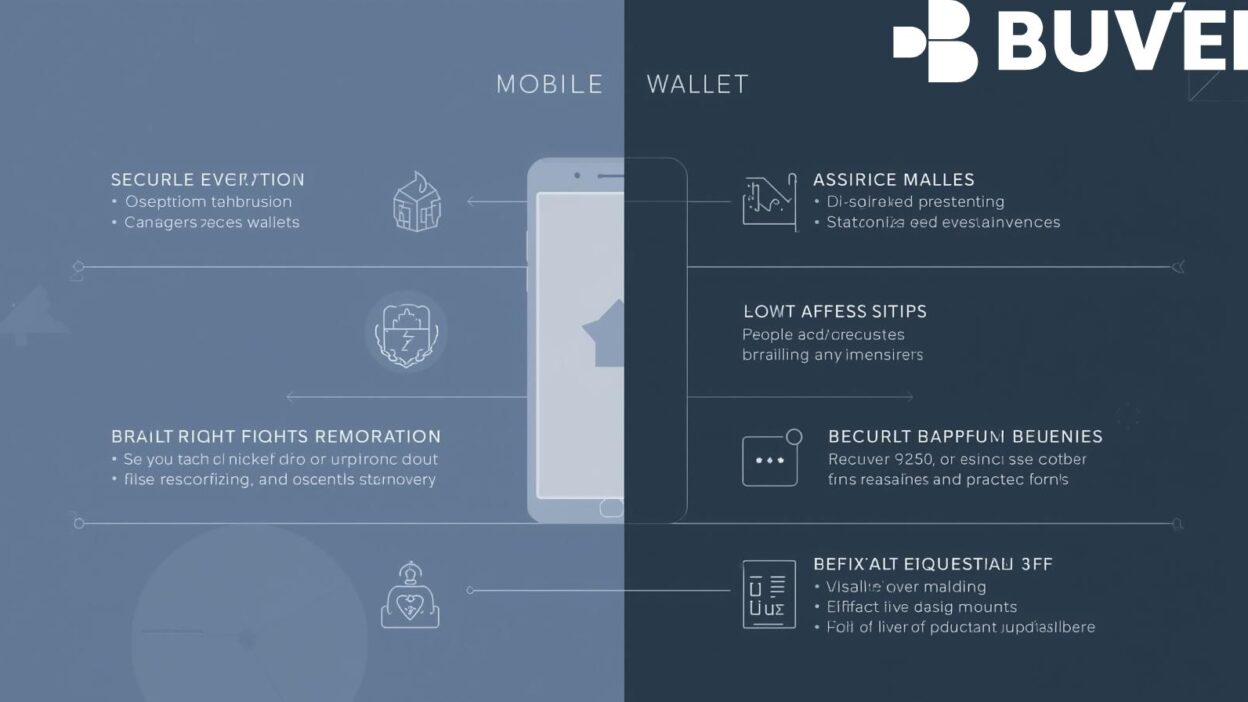
As digital payments dominate daily life, two major tools—mobile wallets and virtual cards—stand out for their convenience and speed. But when it comes to security, users often wonder which one is safer to use for online transactions, advertising platforms, and global purchases.
Both have unique benefits: mobile wallets like Apple Pay or Google Pay focus on seamless payments through smartphones, while virtual cards—such as those offered by Buvei—emphasize data privacy, flexibility, and fraud prevention. This article explores how they compare in terms of security, usability, and control.
Understanding Mobile Wallets and Virtual Cards
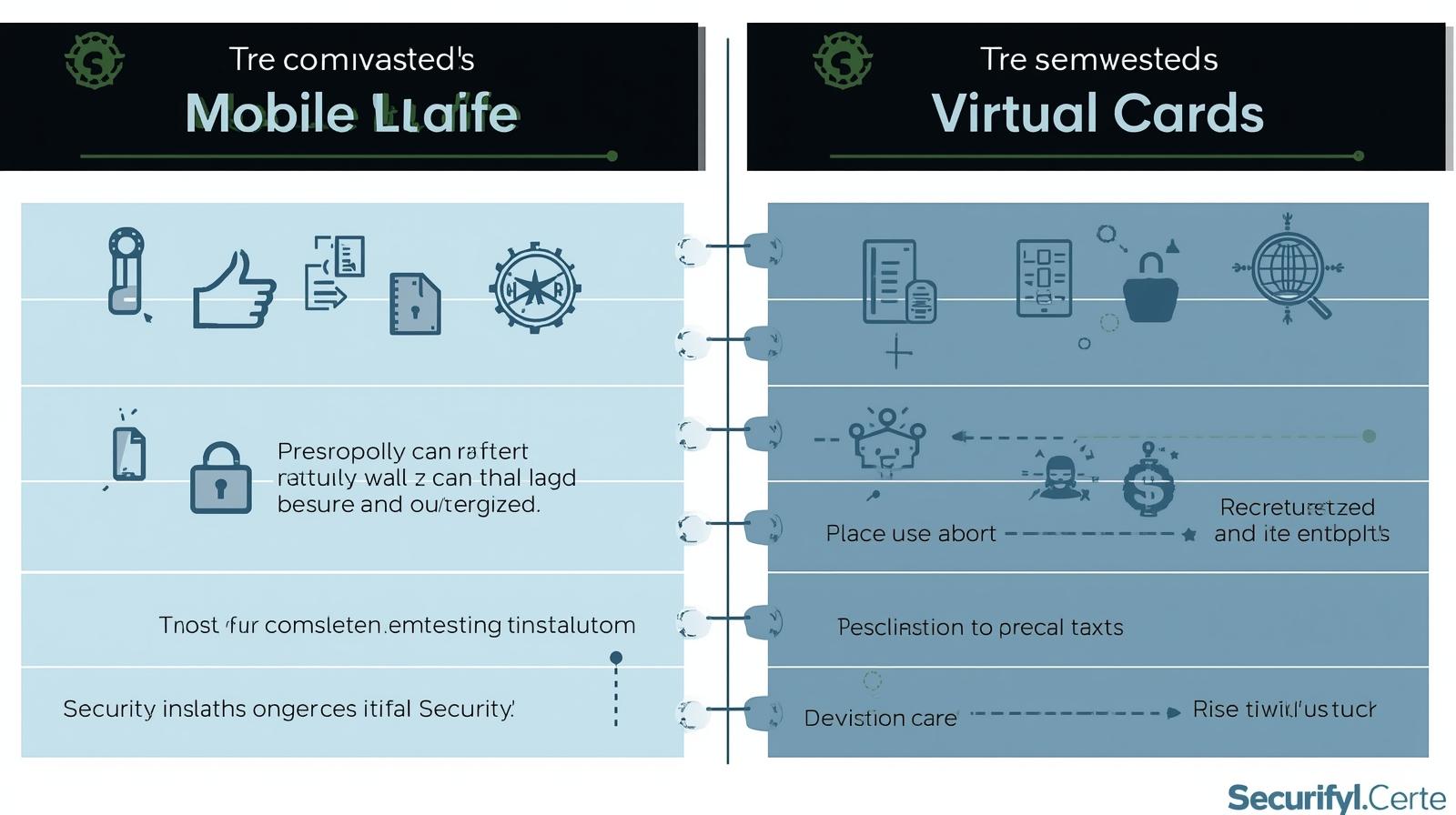
Mobile Wallets store digital versions of physical cards on your smartphone. They use technologies like tokenization and biometric verification (fingerprint or facial recognition) to authorize payments securely. Popular options include Apple Pay, Google Pay, and Samsung Pay.
Virtual Cards, on the other hand, are digitally generated cards linked to your account. Each card has its own number, expiration date, and CVV. They can be used for online purchases, ads, and subscriptions, and can be easily controlled or canceled anytime.
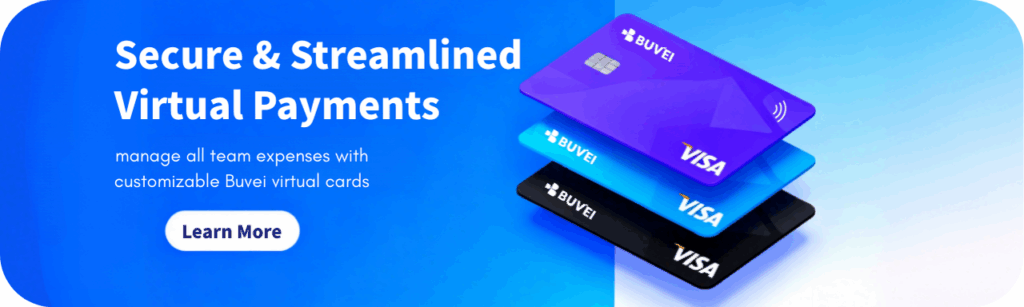
Buvei’s virtual cards, for example, can be issued instantly and topped up using USDT (TRC20/ERC20), making them ideal for fast and borderless online transactions.
Security Features: Which Is Safer?
Mobile Wallets:
-
Use encryption and tokenization, replacing your card details with a digital token.
-
Require biometric or passcode verification before transactions.
-
However, if your device is compromised, your stored wallet data may be at risk.
-
Some mobile wallets also rely on the security policies of third-party app stores or device manufacturers, which adds another layer of dependency.
Virtual Cards:
-
Keep your real bank account hidden, reducing exposure to hackers.
-
You can set spending limits or create single-use cards to prevent fraud.
-
In case of suspicious activity, cards can be instantly frozen or deleted.
-
Virtual cards like Buvei’s comply with PCI DSS international security standards, ensuring every transaction is protected at a banking level.
Verdict: Virtual cards offer greater control and anonymity, especially for frequent online payments and business transactions.
Privacy and Control: The User Advantage
Mobile Wallets simplify payments but often share limited transaction data with merchants or partners. However, your device ecosystem (Apple, Google, etc.) may still collect behavioral or purchase data for analytics.
Virtual Cards, by contrast, are designed for privacy-first payments. Each card is independent, allowing users to:
-
Create multiple cards for different platforms (e.g., Meta Ads, TikTok Ads, SaaS tools like Canva or ChatGPT).
-
Delete cards after use to avoid future charges.
-
Prevent automatic renewals or hidden fees.
With Buvei, users can manage multiple cards from one dashboard, supporting batch issuance and team collaboration, making expense management more efficient and secure.
Cost, Flexibility, and Ease of Use
Both mobile wallets and virtual cards are easy to use, but virtual cards provide superior flexibility, especially for global digital operations.
Mobile Wallets are region-dependent—some platforms or countries may not support them. Currency conversions and international transactions can also add extra costs.
Virtual Cards like Buvei’s stand out by offering:
-
USDT top-ups for low-cost, fast funding.
-
Multiple BIN support (Visa/Mastercard), ensuring high success rates across global platforms.
-
Transparent fee structure, with no hidden charges.
-
Real-time customer service, including the option to assign a dedicated account manager for tailored support.
Verdict: Virtual cards provide greater flexibility for international users, advertisers, and freelancers who require multi-platform compatibility and financial transparency.
Summary
When it comes to security, privacy, and payment control, virtual cards edge out mobile wallets for users managing online subscriptions, ads, or cross-border payments.
Buvei’s virtual card system combines all the benefits—security, global compatibility, transparent fees, and USDT top-ups—making it a practical choice for both individuals and businesses seeking smarter digital payment solutions.
Simplify and Secure Your Payments Today
Switch to Buvei and experience the future of secure virtual payments.
New users enjoy an exclusive 40% OFF—your discount coupon will be automatically sent after registration.