Digital payments are growing at an unprecedented pace, transforming how consumers and businesses handle transactions. From mobile wallets to QR-code payments, modern payment technologies offer speed and convenience—but they also introduce new security risks.
As businesses expand their payment capabilities, understanding digital payment security risks becomes essential. In this SEO guide, we explore the rise of digital payments, emerging cyber threats, and how companies can protect their payment infrastructure.
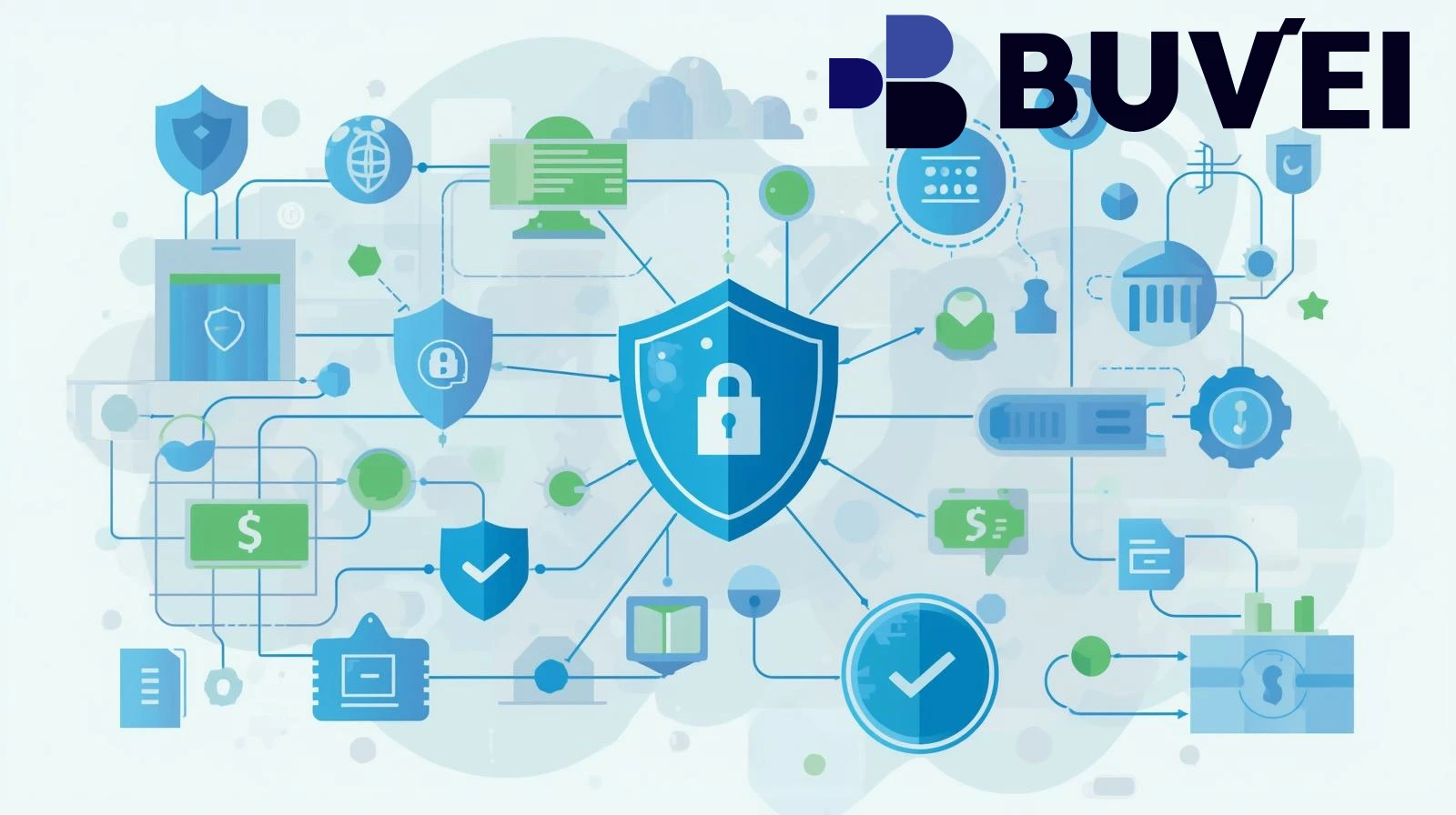
The Rapid Growth of Digital Payments
Digital payment adoption continues to rise globally as consumers prioritize convenience and speed. Mobile-first payment methods are becoming the standard across industries.
Increasing Adoption of Digital Payment Methods
Recent industry research shows that digital payment usage has steadily increased over the years. Consumers now prefer flexible payment tools that allow them to complete transactions quickly and securely.
Popular digital payment technologies include:
PayPal
Venmo
Apple Pay
Google Pay
These tools enable fast, convenient payments across both online and physical environments.
Demand for Frictionless Payment Experiences
Modern consumers expect:
Fast payment processing
Minimal transaction steps
Mobile-friendly payment options
Wide payment availability
Businesses that fail to deliver smooth payment experiences risk losing customer loyalty.
However, expanding payment options also increases technical complexity.
Emerging Risks in Digital Payment Ecosystems
While digital payments offer clear advantages, they also introduce security vulnerabilities that businesses must address.
Increasing Cybersecurity Threats
Cyber risk has evolved significantly in recent years.
One of the most serious threats today is ransomware, which can disrupt entire payment systems and compromise sensitive customer data.
Common cyber threats include:
Ransomware attacks
Data breaches
Payment fraud
Unauthorized access
These attacks can damage business operations and customer trust.
Payment System Complexity Creates Vulnerabilities
Adding new payment channels often involves multiple third-party vendors.
These layers may include:
Payment processors
Payment gateways
API integrations
External vendors
Without strong oversight, this multi-layer structure increases the risk of operational failures.
Service Interruptions and Transaction Failures
Weak payment infrastructure can lead to:
Failed transactions
Customer disputes
Payment declines
System downtime
These disruptions directly affect revenue and customer satisfaction.

Why Businesses Must Prioritize Payment Security
Security and resilience are no longer optional—they are fundamental to modern payment systems.
Protecting Customer Data
Payment systems process highly sensitive information.
This includes:
Personal data
Bank details
Transaction records
Strong encryption and authentication protocols help protect this information from unauthorized access.
Maintaining Business Reputation
Data breaches can have long-term consequences.
Potential impacts include:
Loss of customer trust
Legal liabilities
Financial losses
Brand reputation damage
Businesses must prioritize data security to maintain credibility.
Ensuring Continuous Payment Operations
Operational resilience ensures payment systems remain functional even during disruptions.
Important resilience features include:
Backup systems
Redundant infrastructure
Monitoring tools
These tools help prevent downtime and service interruptions.
Choosing the Right Payment Platform Partner
Selecting the right payment partner plays a crucial role in maintaining system security and reliability.
Evaluating Security Capabilities
Businesses should assess potential payment providers based on:
Encryption standards
Fraud prevention tools
Data protection policies
Security certifications
Strong security frameworks reduce risk exposure.
Ensuring Operational Resilience
Reliable payment partners support uninterrupted transactions.
Key indicators include:
High uptime rates
Redundant systems
Scalable architecture
These capabilities ensure payment continuity.
Conducting Thorough Due Diligence
Before adopting new payment solutions, businesses should conduct careful reviews.
Important evaluation steps include:
Testing payment reliability
Reviewing compliance standards
Assessing vendor reputation
Proper due diligence helps prevent long-term issues.
The Future of Digital Payment Risk Management
As digital payment adoption continues to grow, risk management strategies must evolve alongside technological innovation.
Growth of Fintech Competition
The rapid expansion of fintech companies has created more payment options than ever before.
However, this competitive environment also attracts cybercriminal activity.
Businesses must remain vigilant when adopting new technologies.
Importance of Scalable Security Frameworks
Security systems must evolve to handle increasing transaction volumes.
Scalable frameworks allow businesses to:
Adapt to new threats
Support expanding payment networks
Maintain performance stability
Continuous upgrades are necessary to stay protected.
Balancing Convenience with Security
Consumers expect easy payment experiences, but convenience should never compromise safety.
Businesses must design payment systems that offer:
Fast transactions
Secure processing
Reliable performance
This balance is essential for long-term success.
Conclusion
Digital payments are transforming the financial landscape, offering faster and more convenient transaction methods. However, the growth of mobile wallets, QR payments, and online transactions has also introduced new security challenges.
Businesses that prioritize payment security, operational resilience, and careful vendor selection will be better prepared to handle the risks associated with modern payment systems. As digital payment ecosystems continue to evolve, maintaining strong cybersecurity measures remains one of the most important responsibilities for organizations worldwide.