In today’s data-driven business environment, KPI tracking plays a vital role in financial management. Companies are no longer satisfied with just processing payments—they want to link every expense directly to performance metrics and dashboards. One tool that makes this possible is the virtual card. By integrating virtual card usage into financial dashboards, businesses gain transparency, control, and actionable insights.
Centralizing Spending Data for KPI Monitoring
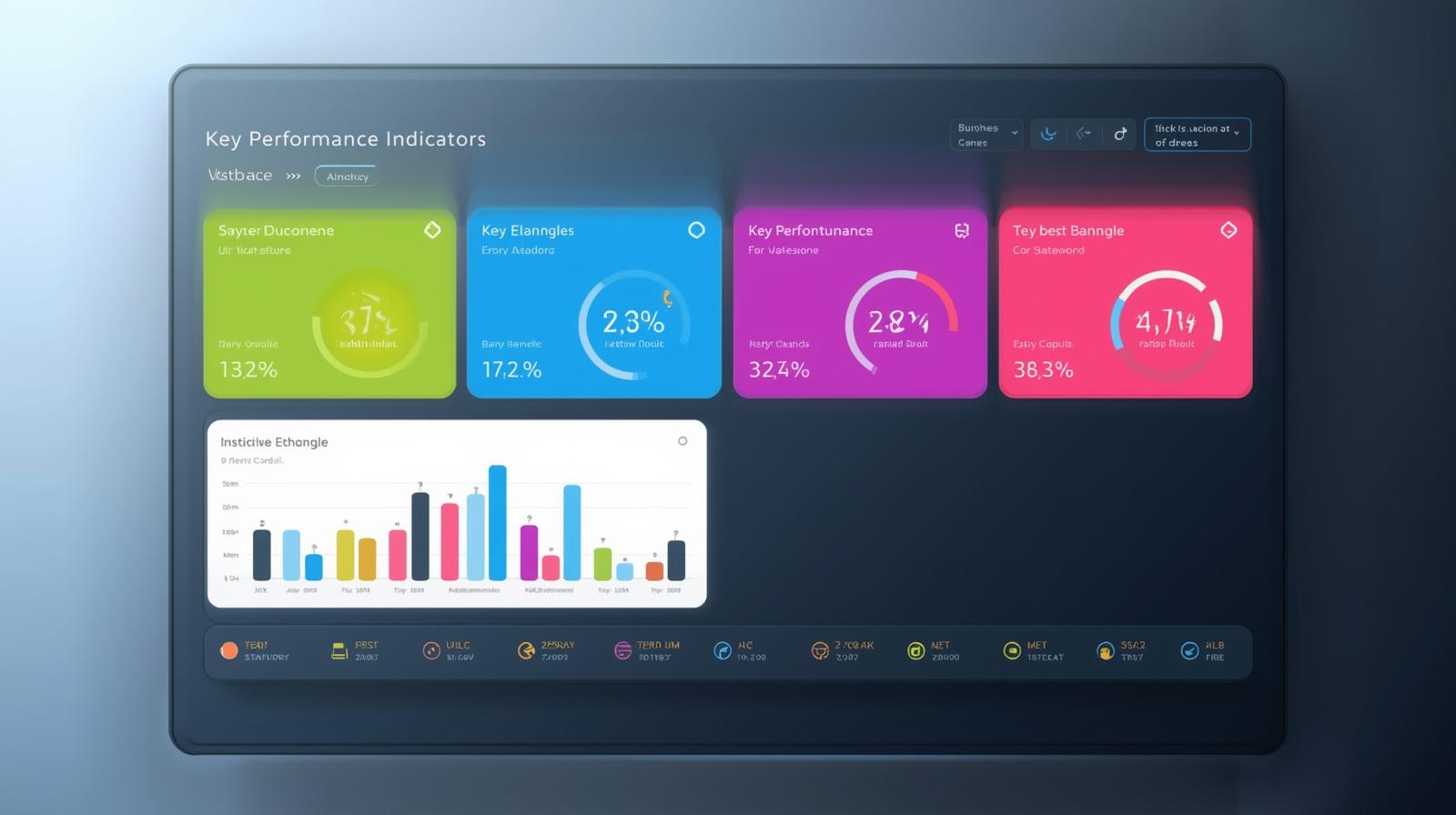
Virtual cards make it easier to consolidate spending data across advertising platforms, SaaS subscriptions, and operational costs. Instead of chasing invoices and scattered reports, companies can directly feed transaction data into financial dashboards. This helps monitor KPIs like cost-per-acquisition (CPA), return on ad spend (ROAS), and SaaS tool utilization in real time.
Buvei enhances this process by offering multi-account management, allowing teams to issue multiple cards and track departmental spending individually. This setup ensures that KPI dashboards show a complete picture without manual reconciliation.

Linking Ad Spend to Marketing ROI
For businesses running campaigns on Google Ads, Meta Ads, TikTok, or Microsoft Ads, virtual cards provide a simple way to align spending with marketing KPIs. Each campaign can have its own virtual card, making it easier to calculate return on investment (ROI) and control budget allocation.
With Buvei’s multiple BIN support and strong payment compatibility, campaigns across different regions and platforms experience fewer payment rejections. This ensures smoother operations and more accurate tracking when linking ad spend to KPIs.
Improving Cost Efficiency and Transparency
Financial dashboards are most effective when expenses are predictable and transparent. Virtual cards give finance teams the ability to set limits, track in real time, and avoid hidden charges. By connecting this data to KPI dashboards, businesses can measure cost efficiency across departments and quickly identify unusual spending patterns.
Buvei stands out by offering a transparent fee structure, so all top-up and payment costs are clearly visible. Coupled with USDT top-up support, businesses can reduce transaction fees while speeding up fund transfers—making KPI-linked dashboards more accurate and cost-efficient.

Enhancing Security While Tracking KPIs
Data accuracy and financial security go hand in hand. Virtual cards not only protect sensitive banking information but also ensure that transaction data flows securely into financial dashboards. This reduces the risk of fraud, unauthorized charges, and data leaks.
Buvei complies with PCI DSS standards and provides instant card issuance without complex KYC hurdles. Finance managers can create dedicated cards for specific projects or vendors and immediately track KPI-linked expenses without compromising security.
Summary
Linking virtual card usage to financial dashboards is no longer a luxury—it’s a necessity for businesses that want clear, real-time insights into performance metrics. By centralizing data, aligning spend with ROI, improving cost transparency, and enhancing security, virtual cards unlock the full potential of KPI tracking.
With Buvei’s advantages—such as multi-BIN support, strong platform compatibility, USDT top-ups, transparent fees, and real-time customer service—businesses can optimize their financial management and decision-making with confidence.
Ready to streamline KPI tracking with virtual cards?
Start today with Buvei and link your spending directly to your financial dashboards for smarter, data-driven decisions.