Travelers frequently face payment failures when booking flights and hotels abroad. Airline websites may reject certain cards, hotel platforms may block high-risk transactions, and international payments often trigger security checks. These issues disrupt trip planning and can cause travelers to lose good deals or limited-time promotions.
Virtual cards have emerged as a reliable solution because they offer better cross-border payment acceptance, reduce fraud risk, and provide more flexible budgeting tools. This article explains why traditional cards fail, how virtual cards improve the booking experience, and why platforms like Buvei are widely used by global travelers.

The Hidden Reasons Traditional Cards Fail on Travel Platforms
Many people assume payment failures happen because of insufficient balance or incorrect card details, but travel platforms operate with complex risk-control systems. Four major issues cause traditional cards to fail:
1.1 Strict Fraud Filters on Airline Websites
Airlines categorize some transactions as high-risk, especially when:
-
The traveler’s bank is located in a different region
-
The card issuer blocks unusual patterns
-
The payment currency does not match the card currency
In these situations, even legitimate payments may be rejected.
1.2 Hotel Platforms Require High Payment Authorization Rates
Sites such as Booking.com, Agoda, Airbnb, and Expedia use automated anti-fraud checks. Local debit cards or regional cards often fail because they are not optimized for international authorization.
1.3 Currency Mismatch and FX Restrictions
Traditional cards may not support seamless multi-currency processing, leading to additional verification steps that cause declines.
1.4 Daily Payment Limits from Banks
Even premium cards can be limited by domestic regulations, transaction caps, or security checks triggered by large or overseas transactions.
These issues make traditional cards less reliable for time-sensitive purchases such as flash-sale flight tickets.
How Virtual Cards Improve Payments for Airlines and Hotels
Virtual cards are designed to handle global online transactions. Here is why they work significantly better than many traditional cards:
2.1 Higher Acceptance on Global Travel Platforms
Because virtual cards are typically issued through international payment networks, they offer stronger acceptance on:
-
Airline platforms such as Emirates, Qatar Airways, AirAsia, United Airlines
-
Hotel platforms such as Agoda, Trip.com, Booking.com, Airbnb
-
Travel apps such as Uber, Grab, and rental car services
This reduces payment interruptions and allows bookings to complete smoothly.
2.2 Instant Issuance and One-Time Use Options
Virtual cards can be generated instantly for specific purchases, creating an additional layer of security during travel bookings.
2.3 Flexible Multi-Currency Support
Many virtual cards automatically process global currencies without requiring manual activation, avoiding common FX-related declines.
2.4 Better Privacy Protection
Because virtual cards do not reveal primary card numbers, they minimize the risk of card theft on unfamiliar websites.
Step-by-Step: Adding a Virtual Card for Travel Payments
Most platforms accept virtual cards the same way they accept physical cards. Here is the standard process:
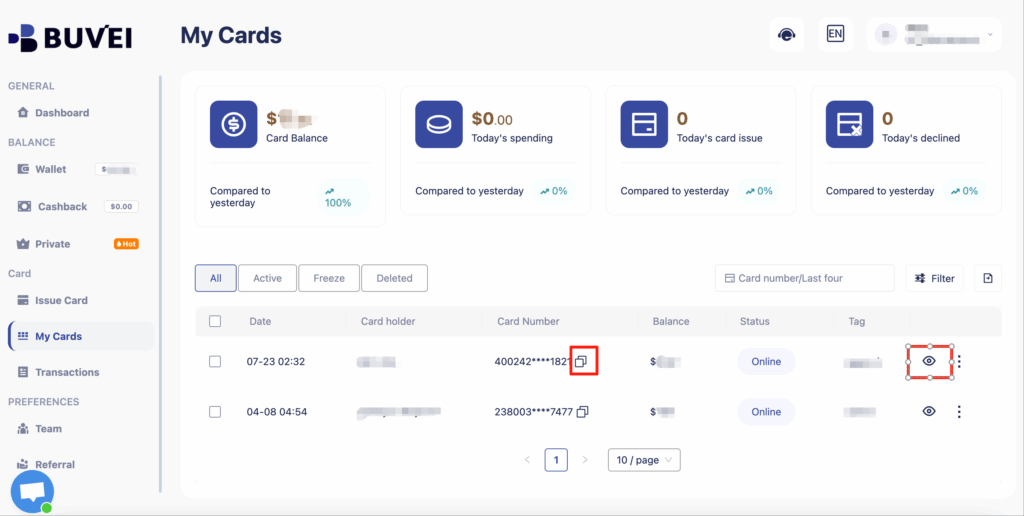
3.1 Generate a Virtual Card
After creating an account on your virtual card provider (such as Buvei), you will receive:
-
A 16-digit card number
-
CVV/CVC code
-
Expiration date
Some providers also allow one-time use or category-limited cards.
3.2 Add the Card to Your Airline or Hotel Platform
On the checkout page, select “Credit or Debit Card.” Enter the virtual card details as usual.
For apps such as Trip.com or Airbnb, you can save the card for future payments.
3.3 Enable 3D Authentication (If Required)
Many virtual cards support 3D Secure (3DS), which is required by airlines and hotel sites in certain regions.
3.4 Confirm the Payment
Once the payment is processed, you will receive instant transaction notifications.
This process keeps your personal banking information safe while enabling smoother cross-border bookings.
Security, Spending Control, and Budget Management
One of the strongest advantages of virtual cards is improved financial control. This is especially useful during travel, where costs can be unpredictable.
4.1 Better Fraud Protection
Virtual cards offer additional security features:
-
Disposable cards
-
Merchant-restricted cards
-
Category-restricted cards
-
Easy freeze/unfreeze functions
If a card is compromised, you can simply delete it and create a new one.
4.2 Set Spending Limits
Travelers can set daily or transaction-based limits to prevent overspending or unauthorized charges.
4.3 Separate Travel Budget from Personal Accounts
Using a virtual card dedicated to travel helps:
-
Manage expenses more clearly
-
Avoid mixing trip costs with long-term financial accounts
-
Maintain privacy on third-party platforms
4.4 Ideal for Refunds and Pre-Authorizations
Many hotels place temporary holds on cards. Virtual cards handle these holds safely without exposing your main bank account.

Why Buvei Works Well for Travel Payments
Buvei is increasingly used among travelers because it provides:
-
High global acceptance, especially on airline and hotel websites
-
Fast card issuance, enabling last-minute bookings
-
Strong security controls, such as freeze, limits, and instant alerts
-
Stable cross-border processing, reducing payment failures
-
Support for digital wallets, allowing easy addition to Apple Pay or Google Pay
These features make Buvei a strong choice for travelers who frequently book services across different countries.
Conclusion
Booking flights and hotels abroad should be simple, yet traditional cards often struggle with regional restrictions, currency mismatches, and high-risk detection systems. Virtual cards provide a modern solution by offering strong global acceptance, better fraud protection, flexible spending controls, and smooth multi-currency support.
Platforms like Buvei further enhance reliability and are increasingly preferred by travelers who need stable cross-border payments.
Whether planning a short vacation or long-term international travel, virtual cards make the entire booking experience more secure, predictable, and efficient.