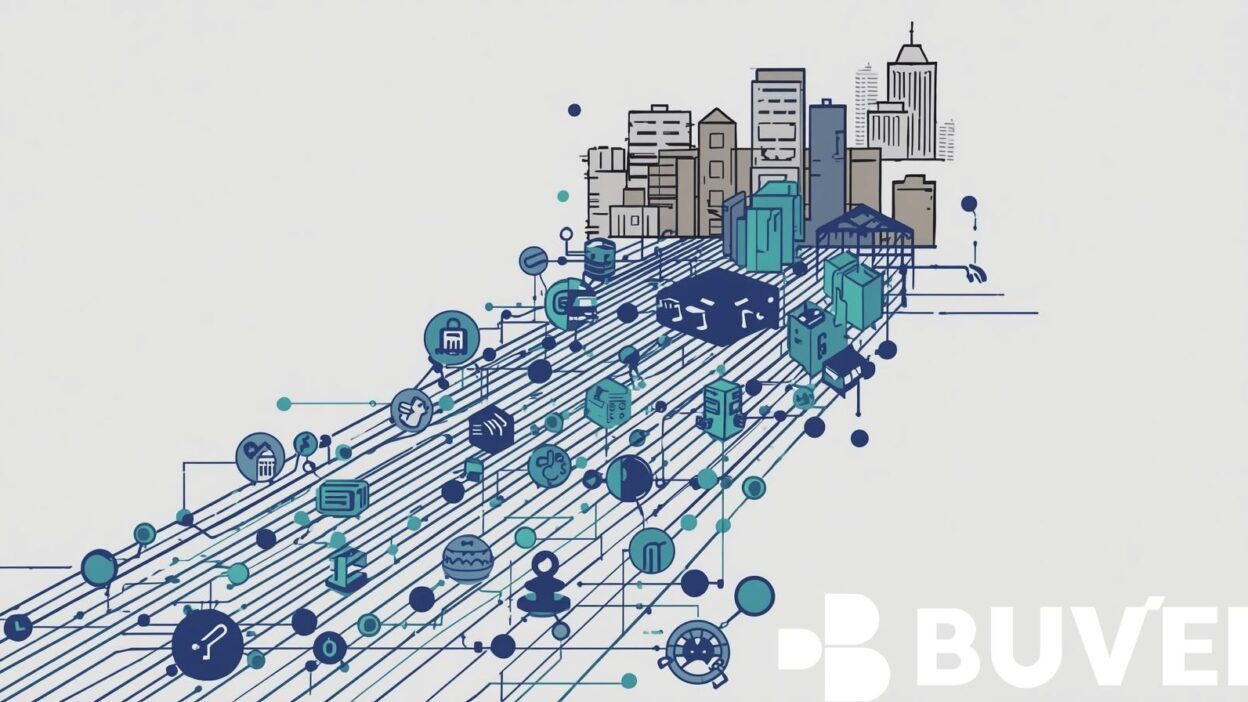
The United States now holds a rare opportunity to reshape the future of global payments. As the current G20 President, the country is under growing pressure to modernize its financial infrastructure and deliver faster, cheaper, and more transparent payment systems.
Payments modernization is no longer just a policy goal — it has become an economic necessity for consumers, businesses, and the competitiveness of the U.S. financial system.

Why Payments Modernization Matters More Than Ever
Digital payments are the foundation of modern commerce. From cross-border transfers to everyday online purchases, people expect transactions to be:
-
Fast
-
Affordable
-
Transparent
-
Accessible
Many G20 countries — including the U.K., Singapore, Brazil, and Canada — have already taken steps to modernize their national payment systems. These countries allow broader access to payment infrastructure and encourage competition among financial institutions.
The U.S., however, is falling behind.
The Problem with Limited Access to Payment Infrastructure
One of the biggest challenges in U.S. payments modernization is restricted access to national payment rails.
Currently, only depository banks can access the Federal Reserve’s core payment systems directly. This prevents many innovative non-bank financial companies from connecting to payment rails without using traditional correspondent banks.
This structure creates several problems:
-
Slower transaction processing
-
Higher fees for consumers
-
Less competition in financial services
-
Reduced innovation in fintech
-
Limited access for underserved communities
As a result, Americans often pay more for cross-border payments while receiving a lower-quality experience than users in other developed economies.
How Expanding Access Could Improve Competition
Expanding access to payment systems could unlock significant benefits for the U.S. economy.
Federal Reserve Governor Christopher Waller recently proposed the idea of a “skinny master account,” which would allow certain eligible non-bank financial institutions to access payment systems under specific conditions.
If implemented, this change could:
-
Increase competition among payment providers
-
Speed up domestic and international payments
-
Reduce transaction costs
-
Encourage innovation in fintech
-
Improve financial inclusion
For consumers and small businesses, this could mean cheaper transfers, faster settlements, and more choices in financial services.
Transparency Is Essential for Modern Payments
Modernization is not only about speed and infrastructure. Transparency is equally critical.
Many financial institutions still hide fees inside exchange rates or obscure the real cost of cross-border transactions. When customers cannot clearly see what they are paying, trust is damaged and meaningful competition becomes impossible.
The United States has already demonstrated leadership in this area through the Remittance Rule, which requires providers to disclose exchange rates and fees before a transfer is completed.
Applying similar transparency standards across all cross-border payments would:
-
Protect consumers
-
Promote fair competition
-
Encourage better pricing practices
-
Strengthen trust in financial systems
Clear, upfront disclosure should be a basic requirement for any modern digital payment experience.
Payments Modernization as a Strategic Advantage
The U.S. financial system remains one of the most influential in the world. But influence alone is no longer enough. Leadership today requires action.
Modernizing payment infrastructure, expanding access, and enforcing transparency are not just regulatory improvements — they are strategic moves that can:
-
Strengthen global competitiveness
-
Support economic growth
-
Drive fintech innovation
-
Improve financial inclusion nationwide
If the U.S. successfully delivers on its G20 commitments, it can set the standard for the next generation of global payment systems.
Final Thoughts
The path forward is clear. Faster payments, broader access, and radical transparency are no longer optional — they are essential.
By modernizing its payment infrastructure and embracing innovation, the United States can create a more competitive, inclusive, and efficient financial ecosystem that benefits consumers, businesses, and the global economy alike.