Thai consumers and businesses increasingly transact online with international merchants — from advertising platforms to cloud services and SaaS subscriptions. However, payment challenges in Thailand often make global payments difficult using local cards alone.
This has led many users to explore virtual cards — secure, online-first payment tools that behave like traditional debit/credit cards but with more control and flexibility.
In this guide, you’ll learn:
-
Why local payments often fail
-
What to look for in a good virtual card for Thailand
-
How multi-currency support and FX fees affect your spending
-
Real-world use cases (ads, travel, SaaS)
-
Tips to reduce declined international payments
Plus a step-by-step walkthrough to create your own virtual card using Buvei — a powerful, crypto-funded card platform that works well for Thailand users paying international bills.
Online Payment Challenges in Thailand
Users in Thailand face several barriers when paying international services:
Cross-Border Authorization Blocks
Banks often treat foreign SaaS / ad payments as higher risk, leading to declines.
Limited Card Coverage
Not all Thai bank cards are enabled for recurring international billing.
High FX Fees
Thai baht conversions to USD/EUR can incur significant spreads or conversion fees.
Insufficient Recurring Billing Support
Some prepaid cards don’t support automatic renewals for subscriptions.
Bank & Network Restrictions
Even with sufficient balance, strict fraud filters can block foreign merchant charges.
These issues are common when paying platforms like:
-
Google Ads
-
Meta Ads
-
AWS / GCP / Azure
-
Midjourney / ChatGPT
-
Travel and booking platforms
Without flexible payment tools, users often experience failed payments, interrupted services, or manual bank approval delays.
Local vs International Card Acceptance Issues
Thai bank cards may work well domestically but struggle abroad.
| Issue | Local Cards | Virtual Cards |
|---|---|---|
| International acceptance | Limited | Broad |
| Recurring billing | Varies by issuer | Built-in support |
| Authorization success | Moderate | Higher (U.S./Global BINs) |
| FX control | Bank-set rates | User-controlled wallet |
| Privacy & security | Exposes primary account | Isolated card details |
Virtual cards can bridge these gaps by providing:
-
Global BIN support
-
Recurring billing compatibility
-
Flexible funding methods
-
Better spend visibility
This matters especially for Thai users paying services priced in USD/EUR.
Features to Look for in Virtual Cards for Thai Users
When selecting a virtual card for use from Thailand, prioritize the following:
A. Global Merchant Compatibility
Ensure acceptance across:
-
Google, Meta, TikTok Ads
-
SaaS platforms (Notion, Canva, Adobe)
-
Cloud services (Google Cloud, AWS)
-
Travel sites (Agoda, Booking, Expedia)
B. Recurring Billing Support
Some virtual cards don’t work with auto-renewals. Choose one that supports subscription charges.
C. Multi-Currency Wallets
Holding multiple currencies reduces FX costs. If unavailable, at least ensure low FX spreads.
D. Low FX & Transparent Fees
Avoid hidden markups on foreign conversions.
E. Spend Control & Security
Look for:
-
Per-card limits
-
Instant freeze/unfreeze
-
Real-time transaction logs
F. Fast Issuance
Cards should be created instantly or near-instantly to avoid payment delays.
Multi-Currency Support and FX Rates
International payments often demand spending in USD, EUR, or other foreign currencies.
Best practice features include:
Multi-Currency Wallet
Holding balances in several currencies helps:
-
Reduce conversion costs
-
Avoid double conversions
-
Manage recurring bills in the correct billing currency
Favorable FX Rates
The difference between exchange rate and actual charged rate should be minimal.
Stablecoin Funding
Some platforms let you fund cards via stablecoins (like USDT), offering:
-
Faster settlements
-
Lower bank remittance fees
-
Better control over currency exposure
These features are especially relevant when Thai users pay cloud bills, SaaS, or advertising platforms.
Popular Use Cases: Ads, Travel, SaaS
Advertising Platforms
Thai marketers paying international ads (Google Ads, Meta Ads, TikTok) face declines with some local cards. Virtual cards with strong BINs (e.g., U.S./global) improve success rates and support recurring billing.
Travel & Booking
Booking sites like Agoda, Booking.com, Expedia, and Airbnb often require robust card authorization and sometimes pre-authorization holds. Virtual cards with spending buffers reduce failure risk.
SaaS & Subscriptions
Subscription-based tools like Midjourney, Notion, Adobe, and cloud services require recurring billing support — a common weak spot for basic prepaid cards.
Tips to Avoid Declined International Payments
To reduce payment issues:
Keep a Balance Buffer
Don’t fund a card with just the exact amount. Include extra for taxes, pre-auth holds, or exchange fluctuations.
Use Dedicated Cards for Different Platforms
One card per service (ads, SaaS, travel) isolates risk and reduces cross-platform linkage.
Monitor Expiration Dates
Expired cards are a leading cause of billing failures.
Avoid Rapid Failed Attempts
Repeated declines can trigger risk throttling by merchants.
Choose Strong BIN Regions
Cards issued with U.S. or well-recognized BINs often show better acceptance rates.
Step-by-Step: Using Buvei Virtual Cards for Thailand Users
Here’s a reliable way to create and use virtual cards for global payments from Thailand.
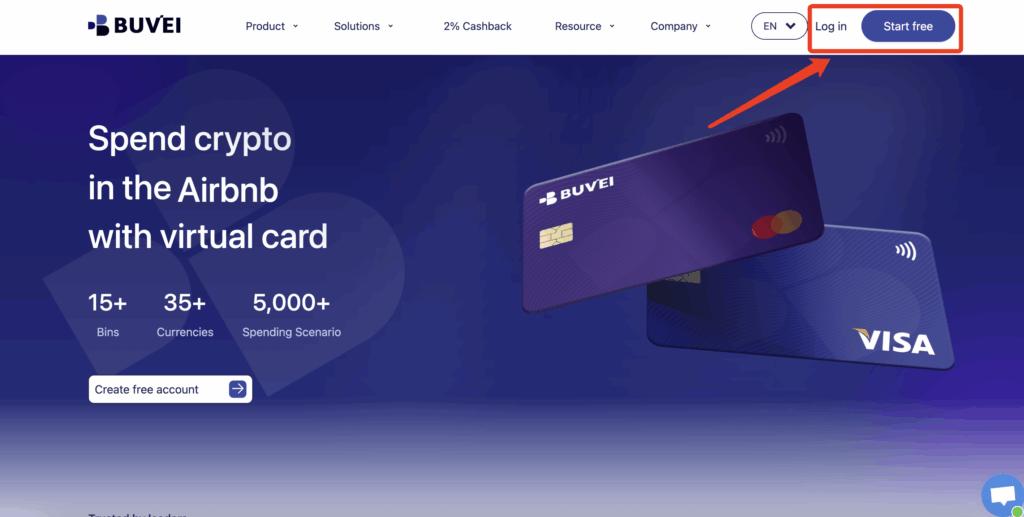
Step 1: Register a Buvei Account
-
Visit https://buvei.com
-
Create a free account using your email
-
Complete email verification
-
Log into the Buvei dashboard
Step 2: Fund Your Wallet
-
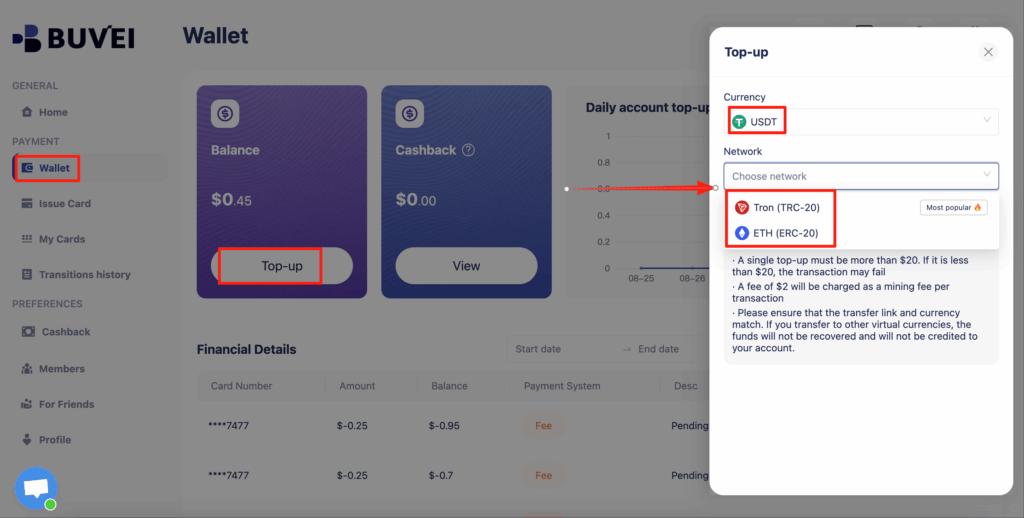
Go to the Wallet tab
-
Choose USDT (TRC20 or ERC20)
-
Copy your dedicated deposit address
-
Send funds from your wallet/exchange
-
After confirmation, your balance appears immediately
Stablecoin funding can reduce conversion fees and speed settlement.
Step 3: Create Virtual Cards
-
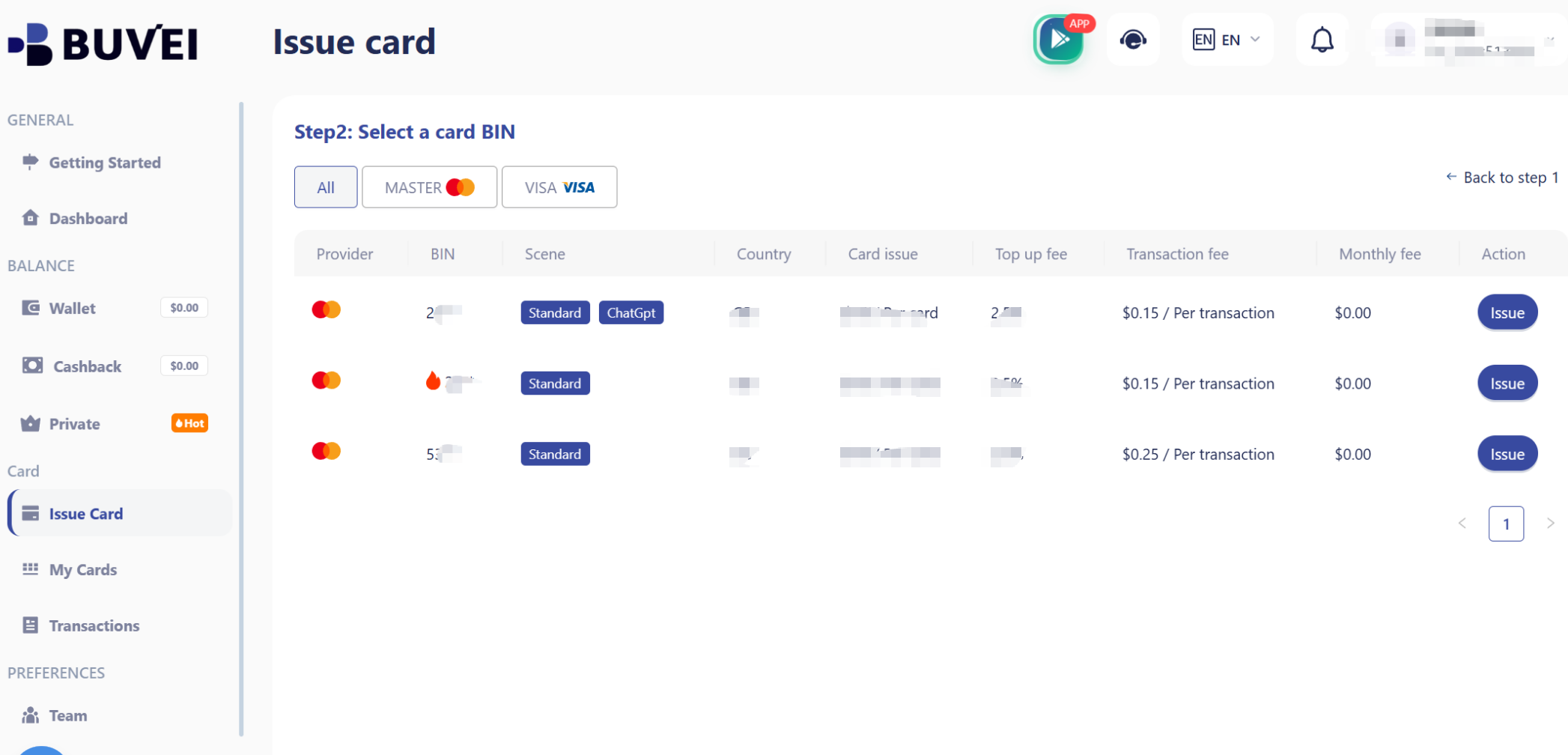
Navigate to the Cards tab
-
Select your preferred BIN region (U.S. recommended for ads & SaaS)
-
Choose a card type
-
Click Issue Card
-
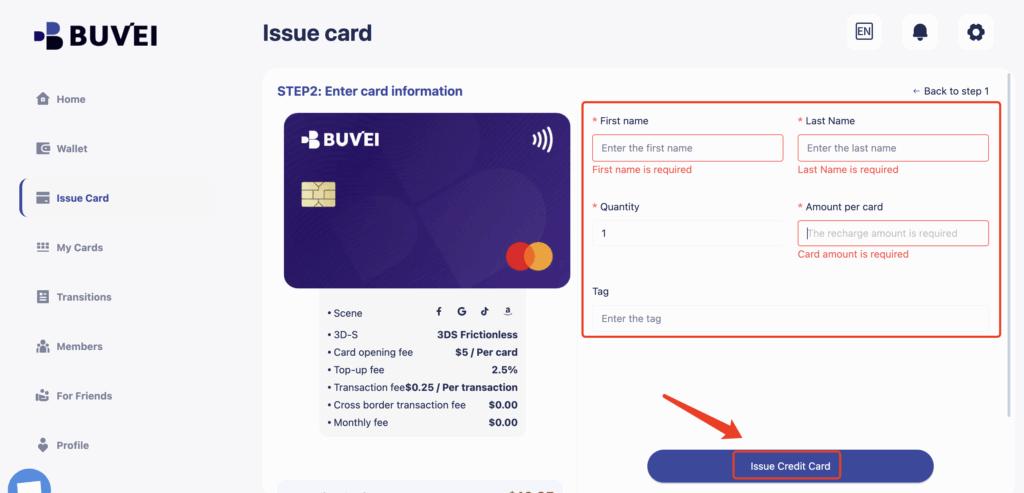
Enter:
-
Card name
-
Funding amount (include a buffer)
-
Card quantity
-
-
Confirm issuance
Cards are usually created instantly.
Step 4: Use Cards Globally
Once issued, virtual cards can be entered like normal cards at checkout on:
-
Ads platforms
-
SaaS subscriptions
-
Travel bookings
-
Other online services
The payment appears to merchants as a standard Visa/Mastercard transaction.
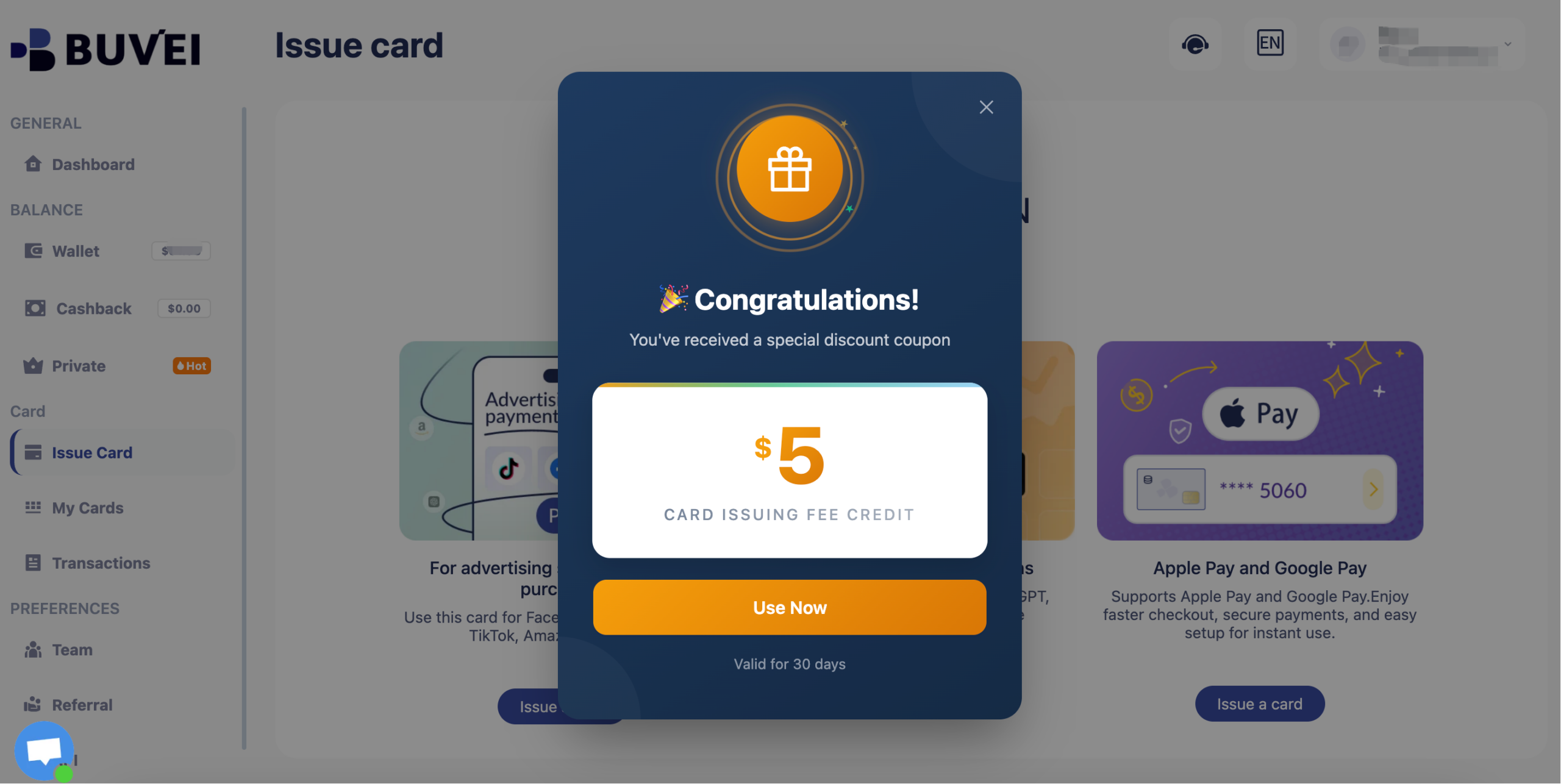
New users receive a $5 virtual card issuance coupon upon registration.
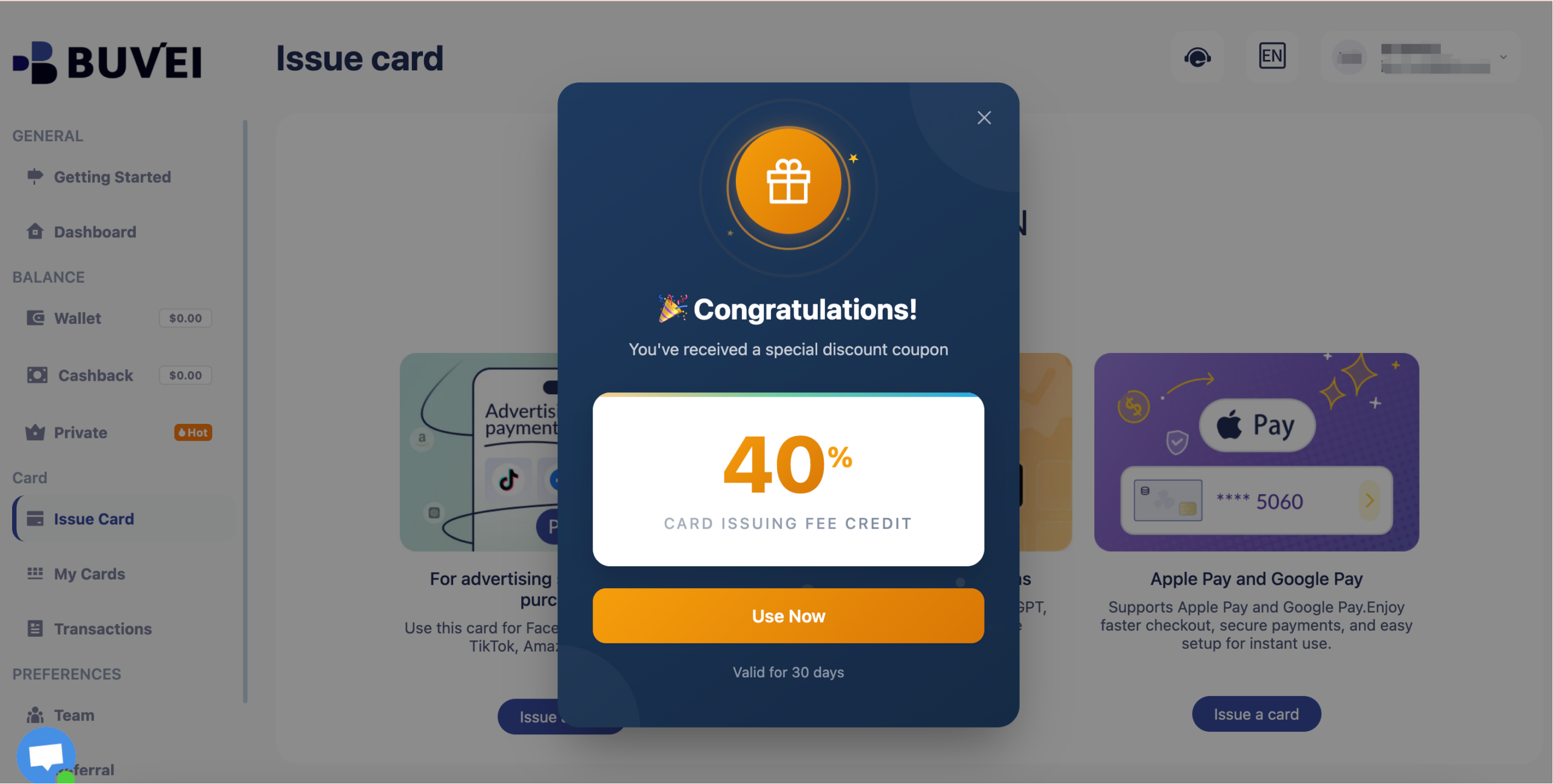
Long-inactive users may receive coupons worth up to 40% off.
Conclusion
For Thailand users, virtual cards offer a powerful alternative to traditional bank cards and local payment methods — especially when paying global platforms with strict billing requirements.
By focusing on features like multi-currency support, FX transparency, recurring billing compatibility, and strong BIN acceptance, users can reduce declines and improve payment success rates.
Buvei virtual cards combine:
-
Fast issuance
-
USDT funding
-
Multi-card management
-
Strong international acceptance
-
Transparent fees
Whether you’re managing ad budgets, cloud infrastructure, SaaS tools, or travel bookings, virtual cards can improve payment reliability and give you better financial control in an increasingly global digital economy.