
Cloud developers and infrastructure teams increasingly want more flexible ways to pay for services like Linode. Traditional credit cards often fail due to regional restrictions, fraud checks, or billing verification issues. That is why many users now rely on crypto-funded virtual cards as a practical workaround.
This guide explains how to pay for Linode using crypto through virtual cards and how to set everything up using Buvei.

Does Linode Accept Crypto Directly? (Reality Check)
Linode does not currently accept direct cryptocurrency payments such as Bitcoin or USDT at checkout.
Linode officially supports:
-
Credit and debit cards
-
PayPal (in some regions)
-
Bank-linked payment methods
This creates problems for users who:
-
Do not have international cards
-
Face frequent card declines
-
Live in regions with restricted payment processing
-
Prefer to manage expenses using crypto
The practical solution is to convert crypto into a virtual card that Linode accepts like a normal Visa or Mastercard.
Using Crypto Virtual Cards for Linode Billing
A crypto-funded virtual card works like a normal bank card but is funded using stablecoins such as USDT.
This method allows you to:
-
Pay Linode normally with card details
-
Avoid local banking restrictions
-
Control spend per account
-
Use different cards for different Linode projects
-
Reduce risk of account suspension due to payment behavior
Platforms like Buvei specialize in this use case, offering fast card creation and crypto funding.
How to Fund Buvei with Crypto for Cloud Payments
Buvei allows users to fund accounts using USDT and then issue virtual cards for cloud services, subscriptions, and SaaS platforms.
Here is the complete setup process.
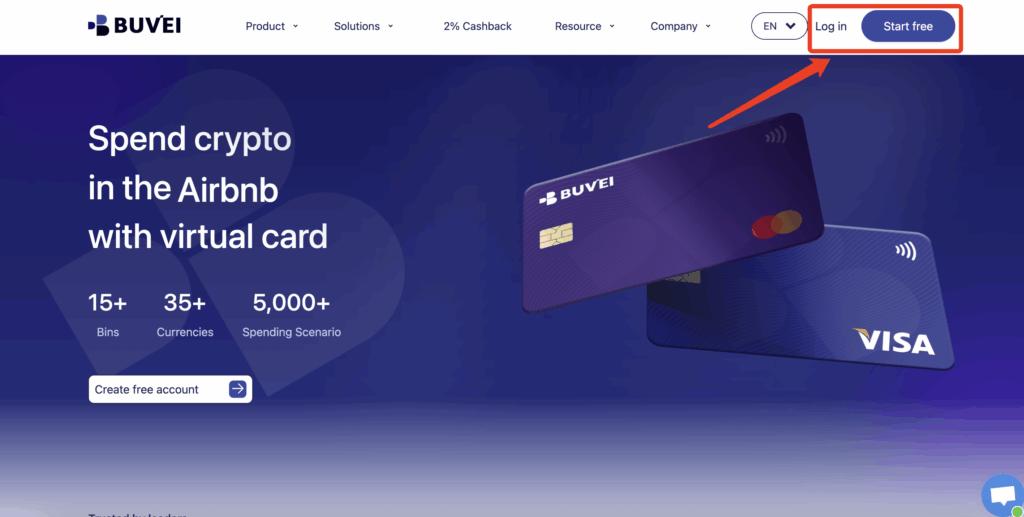
Step 1: Register a Buvei Account
Visit https://buvei.com and create a free account.
After completing email verification, log in to your Buvei dashboard.
Step 2: Fund Your Account
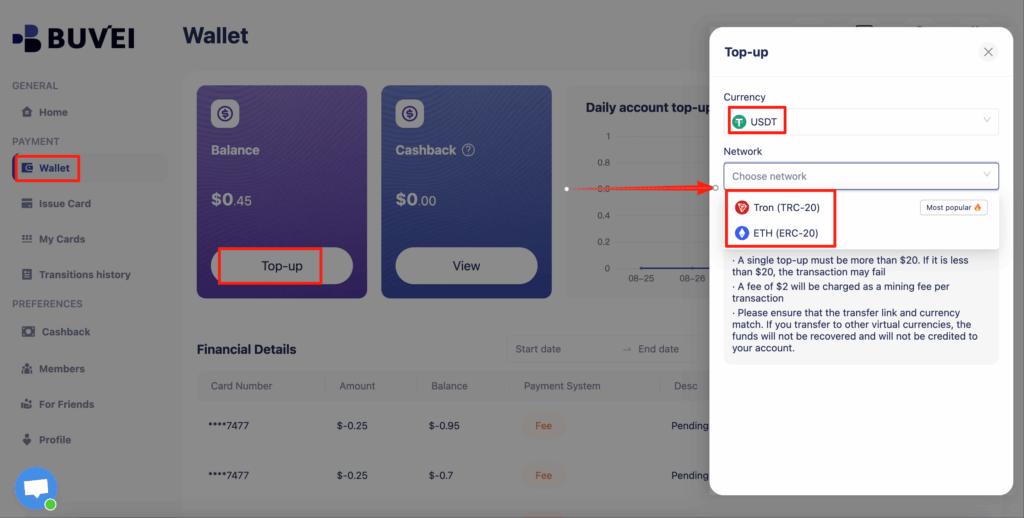
Go to the Wallet tab.
Top up using USDT (TRC20 or ERC20).
You will receive a unique deposit address.
Send your funds to this address.
After confirmation, your balance will appear in your wallet and be available immediately.
Step 3: Create a Virtual Card
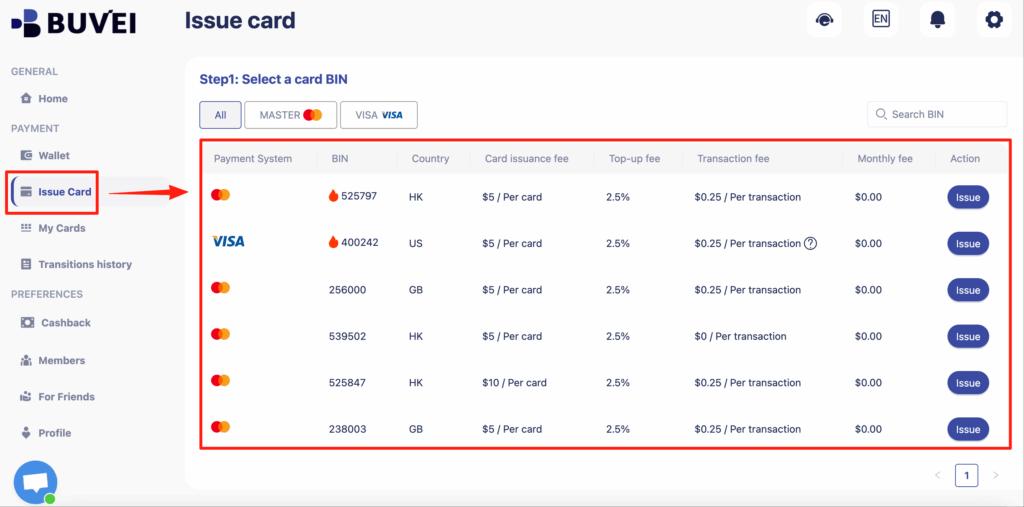
Go to the Cards tab.
Choose your preferred BIN region (US BIN is recommended for higher approval rates).
Select your card type.
Click create.
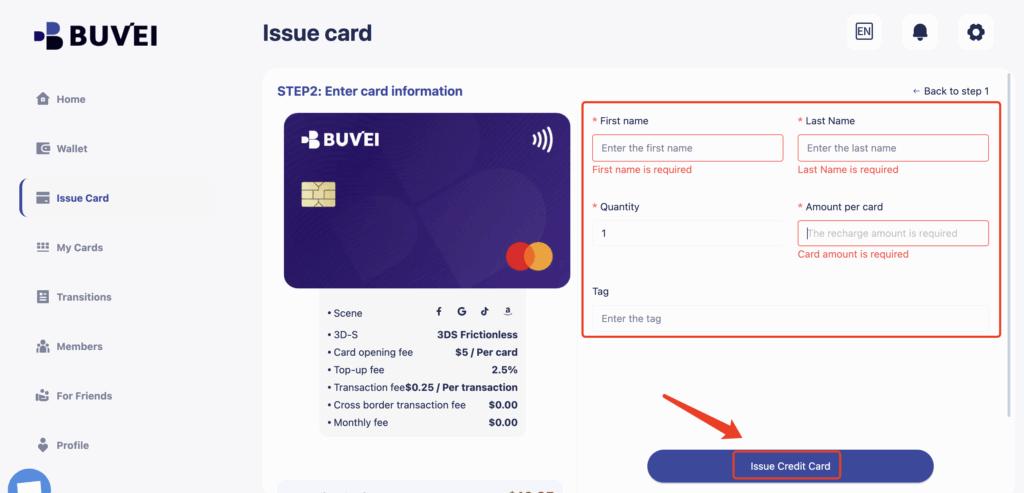
Fill in the card details, including card name, amount, and number of cards.
Click issue card.
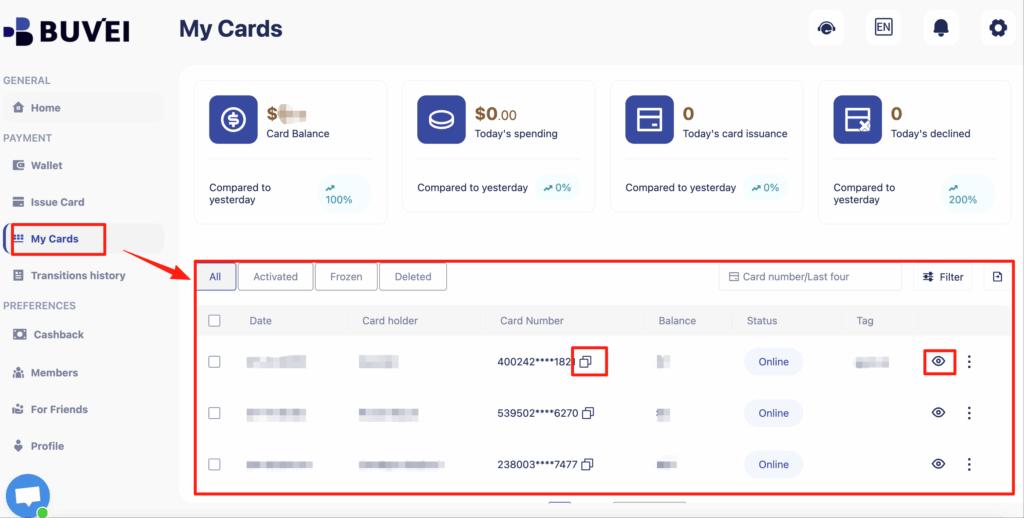
After creation, go to My Cards to view:
-
Card number
-
Expiry date
-
CVV
-
Card balance
-
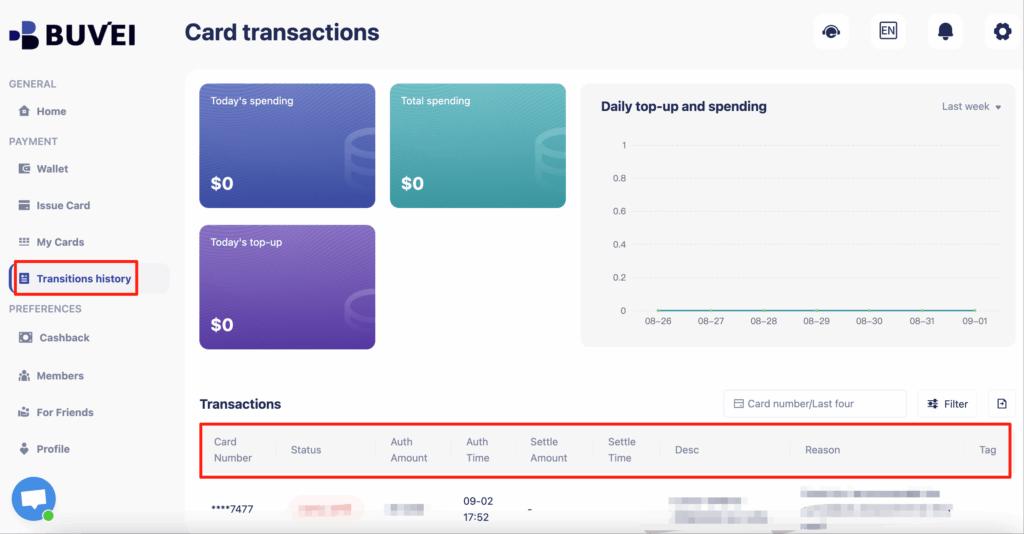
Transaction history
You now have a fully functional card that can be used on Linode like any normal card.
Avoiding Billing Suspensions & Failed Charges
Payment failures are one of the most common reasons for cloud account suspension.
To reduce risk:
-
Always maintain a balance above your expected monthly spend
-
Do not let cards hit zero before renewal
-
Avoid frequent card changes within the same Linode account
-
Use one dedicated card per serious production account
-
Monitor transactions regularly inside Buvei
Buvei’s transaction overview helps you track every charge clearly, making it easier to detect issues early.
Managing Multiple Linode Accounts with Virtual Cards
If you manage multiple projects, clients, or environments, virtual cards become even more valuable.
You can create:
-
One card per Linode account
-
Separate cards for staging vs production
-
Different cards for different clients
-
Isolated cards for testing environments
This structure:
-
Improves accounting clarity
-
Reduces cross-account risk
-
Makes budget tracking easier
-
Protects core infrastructure if one account encounters billing issues
Buvei makes this practical because you can issue and manage multiple cards from a single dashboard.

Final Thoughts
Linode does not support crypto directly, but that does not mean crypto users are locked out. With the right setup, crypto-funded virtual cards provide a reliable and scalable payment solution.
Using platforms like Buvei gives you:
-
Flexible crypto funding
-
Fast virtual card creation
-
Better approval rates
-
Stronger cost and risk control
For developers, agencies, and infrastructure teams, this payment architecture is often more reliable than traditional banking.