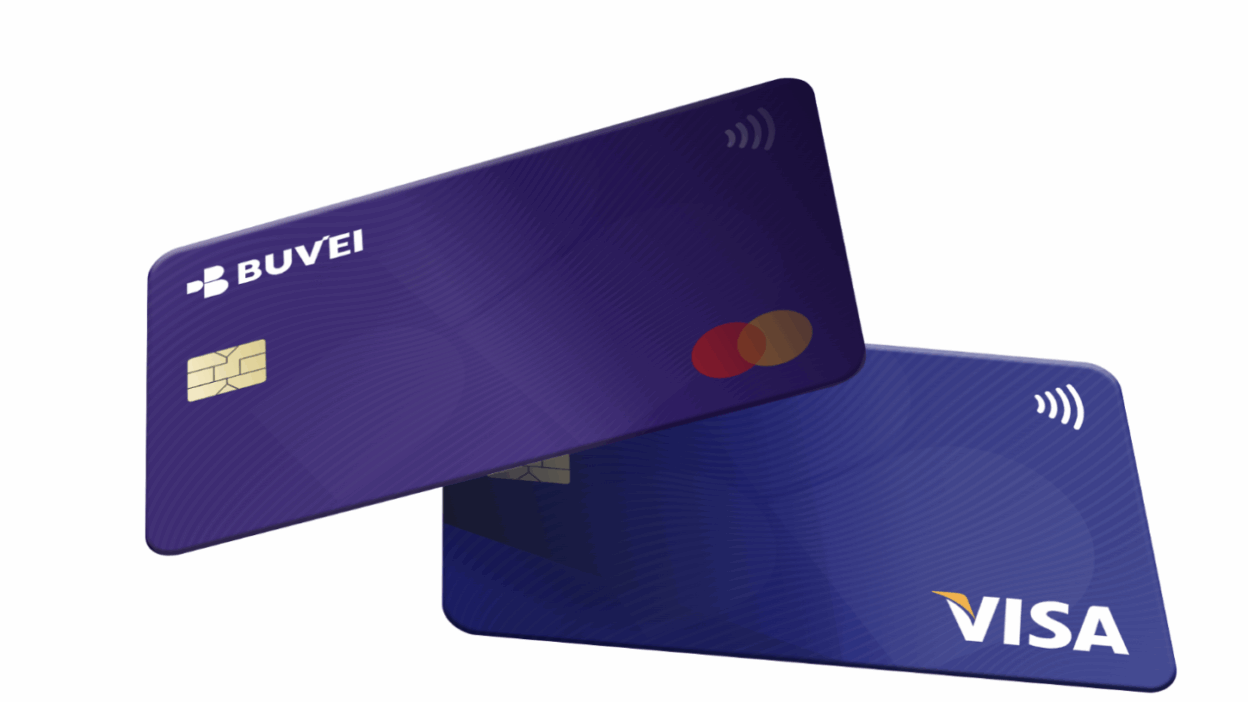
As digital marketing ecosystems become increasingly sophisticated, Facebook advertising has emerged as a vital customer acquisition channel for brands and e-commerce businesses worldwide. However, many advertisers frequently encounter operational pitfalls such as account suspensions due to risk control policies, payment failures, and uncontrolled budget consumption. In response to these challenges, Virtual Credit Cards (VCCs) have become a strategic financial tool, enabling advertisers to manage ad spending with greater flexibility, precision, and security.
Understanding Virtual Credit Cards: Definition and Key Attributes
A Virtual Credit Card (VCC) is a digital payment instrument that functions like a traditional credit card but exists exclusively in a digital format without any physical form. These cards are typically issued by fintech platforms or licensed card issuers. Each VCC includes standard card details such as a card number, expiration date, and CVV code, and is primarily used for online transactions — especially effective for digital advertising, cross-border payments, and SaaS subscription services.
Core Features of Virtual Credit Cards:
✅ No physical issuance – Cards are generated online via web portals or mobile apps, eliminating the need for physical delivery;
✅ Instant issuance – Cards can be created and activated within one minute, with batch issuance supported for large-scale deployment;
✅ Enhanced spend control – Administrators can define daily/monthly spending limits, enable auto-lock functions, and configure approval settings;
✅ Risk isolation – Each virtual card can be dedicated to a single ad account, reducing inter-account linkage and minimizing risk of platform-wide bans;
✅ Multi-currency compatibility – Supports multiple currencies (USD, SGD, PHP, EUR, etc.), ideal for international advertising and global user acquisition.
Virtual Cards vs. Physical Credit Cards: A Comparative Overview
| Dimension | Physical Credit Card | Virtual Credit Card (e.g., Buvei) |
| Issuance Speed | Requires bank approval; 3–10 business days | Instant issuance; operational within 1 minute |
| Card Quantity Limit | Typically 1–5 cards per account | Supports hundreds of cards, generated in bulk |
| Management Model | Centralized; limited control per card | Granular control; individual card-level management |
| Risk Segregation | Shared credit line increases risk correlation | Dedicated card per account ensures risk compartmentalization |
| Budget Oversight | Limited tools for spend caps or alerts | Supports custom spend limits and real-time notifications |
This comparison illustrates why a growing number of Facebook advertisers are transitioning from traditional bank-issued cards to fintech-powered virtual card platforms.
Why Virtual Cards Are Gaining Traction Among Advertisers
Managing Facebook ad accounts involves navigating strict payment validations, risk control protocols, and variable advertising performance. VCCs offer distinct advantages in this environment by delivering financial agility and operational resilience.
Key Benefits of Virtual Cards for Advertising Campaigns:
1. High Payment Reliability
VCCs often utilize specialized BINs tailored for ad platforms, reducing the likelihood of “payment declined” or “card invalid” errors. This stability ensures uninterrupted campaign execution and higher ad uptime.
2. Flexible Pre-Authorization Handling
Facebook typically performs a pre-authorization on first payments. VCCs support advanced authorization settings — enabling advertisers to approve charges only after verifying ROI or performance data from initial test campaigns.
3. Reduced Platform Risk Exposure
Facebook’s detection algorithms flag duplicate payment instruments across multiple ad accounts. Physical cards shared across accounts increase the risk of mass suspensions. VCCs facilitate one-card-per-account setups, effectively compartmentalizing risk.
4. Proactive Budget Control
Advertisers can set pre-defined daily or monthly spend caps, and receive real-time alerts for nearing limits or suspicious spend patterns. This prevents overspending, protects budget efficiency, and ensures full control over advertising costs.
Common Use Cases for VCCs in Facebook Advertising
✅ Independent media buyers – Frequently test creatives and audiences with minimal exposure risk;
✅ Small e-commerce teams – Operate multiple ad groups simultaneously and require clean account separation;
✅ Agencies & service providers – Manage advertising for diverse client portfolios with account-level budget tracking;
✅ Cross-border campaigns – Target Southeast Asia, North America, or Europe using appropriate local currencies;
✅ Ad account resellers & SaaS platforms – Require scalable card resources to support automated onboarding and risk control infrastructure.
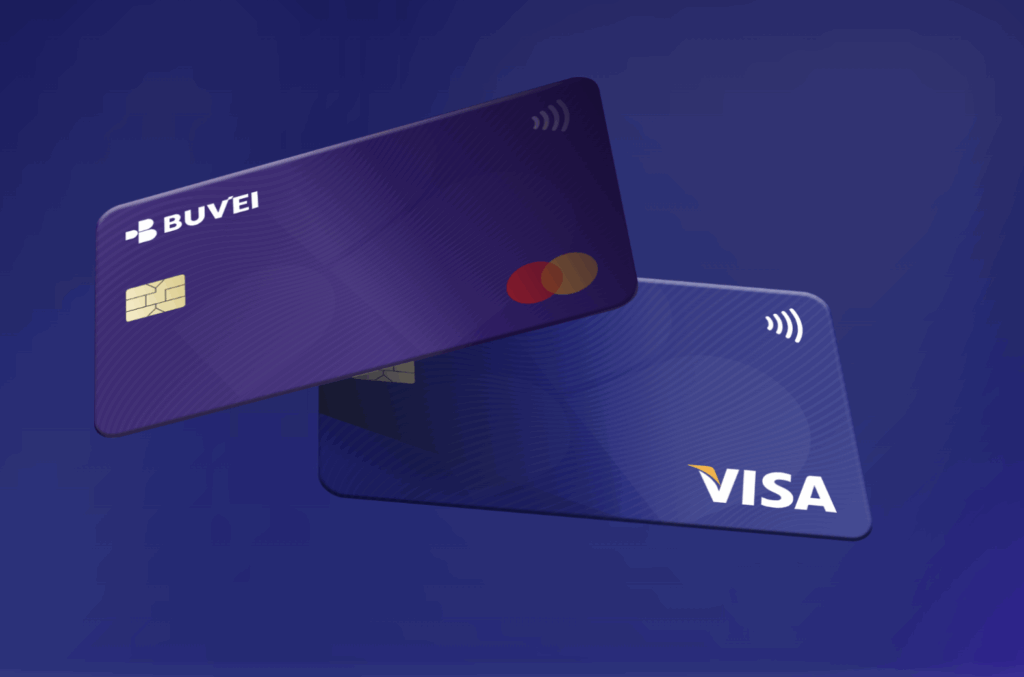
In today’s dynamic Facebook advertising ecosystem, Virtual Credit Cards are no longer a niche tool — they have become an essential infrastructure component for scalable, risk-managed, and performance-driven ad operations. Whether improving payment approval rates, segmenting risk profiles, or implementing real-time budget governance, VCCs offer unparalleled strategic value. For advertisers striving to optimize ROI while maintaining compliance and financial discipline, partnering with a professional virtual card provider like Buvei represents not just a functional upgrade, but a leap toward operational excellence.