Introduction
When you make an online purchase or run digital ads, every transaction goes through multiple steps before the payment is fully completed. Two of the most important stages are authorization and capture. Understanding how these work is crucial for businesses that want to improve payment success rates, avoid unnecessary declines, and manage budgets effectively.
With the rise of virtual cards, companies now have more control and flexibility over their payment processes. Platforms like Buvei make it easier to issue and manage virtual cards, ensuring smooth transactions across global advertising and SaaS platforms.
In this article, we’ll break down the difference between authorization vs. capture, explain how virtual cards enhance this process, and show how Buvei provides additional advantages for businesses.
What is Authorization in Credit Card Transactions?
Authorization is the first step in a card transaction. When you use a card to make a purchase:
-
The issuing bank checks if the account has sufficient funds.
-
The transaction amount is placed on hold (but not deducted yet).
-
The merchant gets confirmation that the funds are available.
For example, if you use a virtual card to set a spending limit on Facebook Ads, the platform will first send an authorization request to ensure the card can cover future charges.
Why this matters: Authorization protects both merchants and cardholders. It ensures the funds exist, but also allows flexibility before final payment is captured.
What is Capture in Credit Card Transactions?
Capture is the second step, where the authorized amount is actually charged and transferred.
-
The merchant submits a capture request to withdraw funds.
-
The issuing bank then releases the money to the merchant’s account.
-
Once captured, the transaction becomes final.
For digital advertising, capture often happens automatically after the campaign runs, ensuring only the exact amount spent is billed.
Key benefit: Capture ensures merchants receive payment only after services are rendered, reducing disputes and increasing trust.
Why Virtual Cards Simplify Authorization and Capture
Virtual cards provide enhanced control during the authorization and capture process. Unlike traditional credit cards, they allow businesses to:
-
Set exact spending limits → Prevent overcharging and ghost billing.
-
Track authorizations in real time → Monitor reserved funds before capture.
-
Cancel or freeze cards instantly → Stop unwanted charges if something looks suspicious.
This makes virtual cards especially useful for ad buyers, SaaS subscribers, and businesses managing multiple online expenses.
Buvei: Smarter Virtual Cards for Businesses
Buvei offers advanced virtual card solutions that make managing authorization and capture seamless:
-
Multiple BIN Support → Boosts global payment success by selecting the right BIN for different platforms.
-
Strong Payment Compatibility → Works smoothly across Google Ads, Meta Ads, TikTok Ads, Microsoft Ads, as well as SaaS tools like ChatGPT, Canva, and Notion.
-
USDT Top-up (TRC20/ERC20) → Fast and low-cost funding for global users.
-
Instant Card Issuance → No lengthy KYC; get started immediately.
-
Transparent Fee Structure → No hidden fees; manage costs with full visibility.
-
Security & Privacy Protection → PCI DSS compliant, ensuring safe payments.
-
Multi-Account Management → Issue and manage multiple cards in bulk for teams.
-
Real-Time Customer Service → Get instant support with dedicated account managers.
With Buvei, businesses not only streamline transactions but also reduce risks, optimize ad spend, and gain peace of mind.
Summary
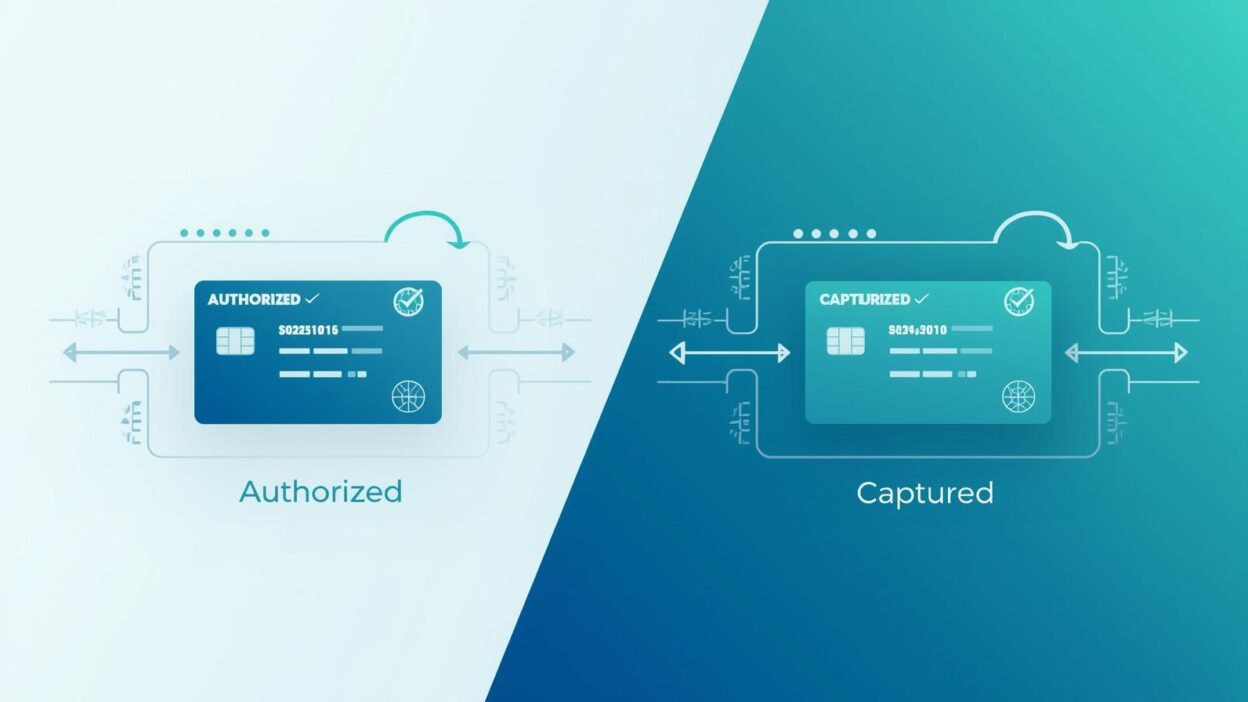
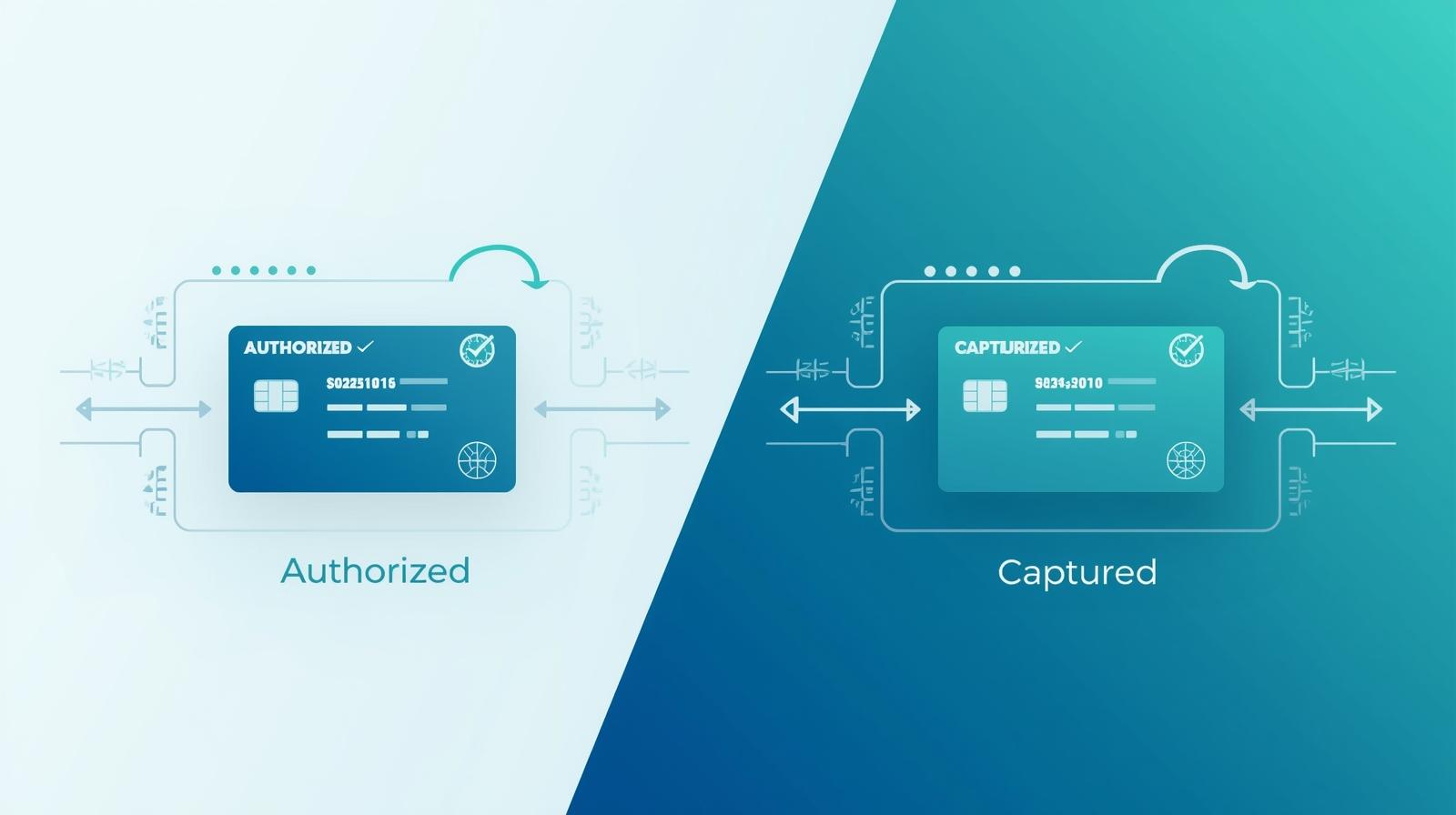
The difference between authorization and capture lies in when funds are held vs. when they are actually charged. While authorization secures the funds, capture finalizes the transaction.
By integrating virtual cards, companies gain more transparency and flexibility in managing both steps. And with a solution like Buvei, businesses can enjoy better success rates, safer payments, and more efficient financial control across multiple platforms.
Ready to take full control of your payments?
👉 Explore how Buvei Virtual Cards can help you simplify transactions, reduce costs, and protect your business today.