Many online tools and digital platforms rely on automated billing systems that require valid payment methods. For users who prefer flexible and secure payment options, virtual cards have become a popular alternative to traditional credit cards. But can they be used for OpenClaw subscriptions?
This guide explains how OpenClaw billing works, whether virtual cards are accepted, and how users can manage OpenClaw payments with virtual card solutions such as Buvei.
What Is OpenClaw and How Its Billing Works
OpenClaw is a digital platform that offers online services typically accessed through a subscription model. Like many SaaS platforms, OpenClaw uses recurring billing, meaning users must provide a valid payment method to maintain active access to the service.
Most SaaS billing systems work in the following way:
-
Users select a subscription plan
-
A payment method is added to the account
-
The platform automatically charges the payment method at each billing cycle
-
If the payment fails, the service may be paused or canceled
Because of this automated process, payment reliability is critical for maintaining uninterrupted access.

Does OpenClaw Accept Virtual Cards?
In many cases, virtual cards can be used for OpenClaw payments if they meet standard online payment requirements. Since virtual cards function similarly to traditional debit or credit cards, they can typically be used anywhere card payments are accepted online.
When adding a payment method to OpenClaw, the platform may check several factors:
-
Card network (such as Visa or Mastercard)
-
Card issuer and BIN region
-
Billing information accuracy
-
Available balance on the card
If the virtual card meets these requirements and the issuing provider supports international online payments, it may work for OpenClaw subscriptions.
Common Payment Issues with OpenClaw
Some users experience payment failures when trying to subscribe to SaaS platforms. Several factors may cause these issues.
Card Declines
Cards may be declined if the issuing bank blocks international transactions or if the platform’s payment processor flags the card as high risk.
Insufficient Balance
Subscription billing requires the card to have enough balance when the renewal date arrives. If funds are unavailable, the payment will fail.
Regional Payment Restrictions
Some payment processors compare the card’s issuing country with the user’s account region or IP address. If the locations do not match, the transaction may be rejected.
Temporary Payment Holds
Occasionally, platforms like OpenClaw may place a small authorization charge to verify that the card is valid before activating a subscription.
Tips for Using Virtual Cards for OpenClaw Payments
Using virtual cards for subscription services can be convenient, but a few best practices can improve payment success.
Maintain Sufficient Balance
Ensure that the virtual card has enough funds before the billing date so the subscription renewal can be processed.
Use a Dedicated Card for Subscriptions
Many users create a separate card specifically for subscriptions. This makes it easier to track spending and manage renewals.
Keep Billing Information Consistent
Use accurate billing details when adding the card to your account to avoid verification issues.
Monitor Payment Notifications
Check transaction alerts or account notifications to confirm that billing payments are processed successfully.
Using Buvei Virtual Cards for OpenClaw Billing
Buvei provides virtual cards designed for online payments and subscription-based services. These cards can help users manage digital payments across multiple platforms.
Key features include:
-
Instant virtual card creation
-
Multiple cards for different subscriptions
-
Spending controls for better budgeting
-
Compatibility with global online merchants
These capabilities can be helpful for users who manage several SaaS subscriptions and want more control over their payment methods.

How to Create a Virtual Card on the Buvei Platform
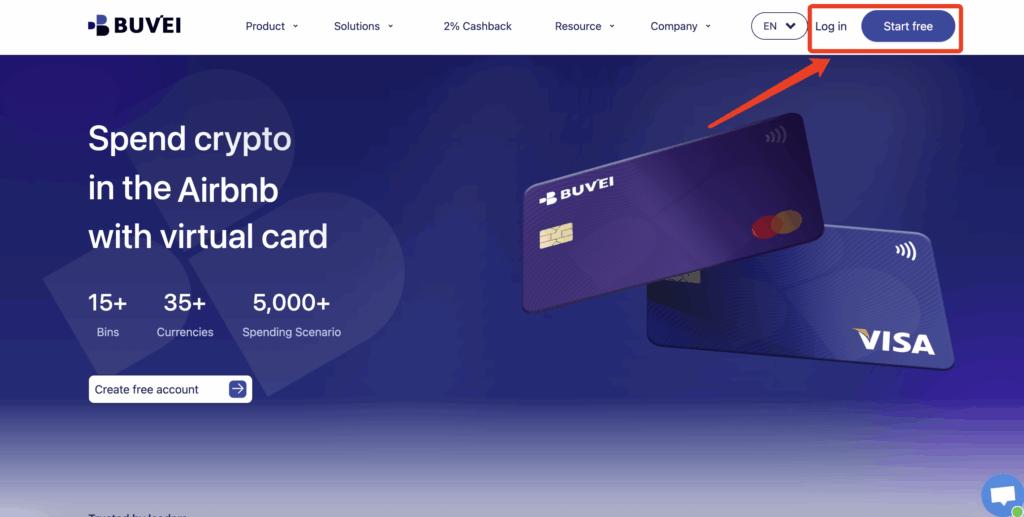
Step 1: Register an Account
Sign up on the Buvei platform using your email address and complete the verification process.
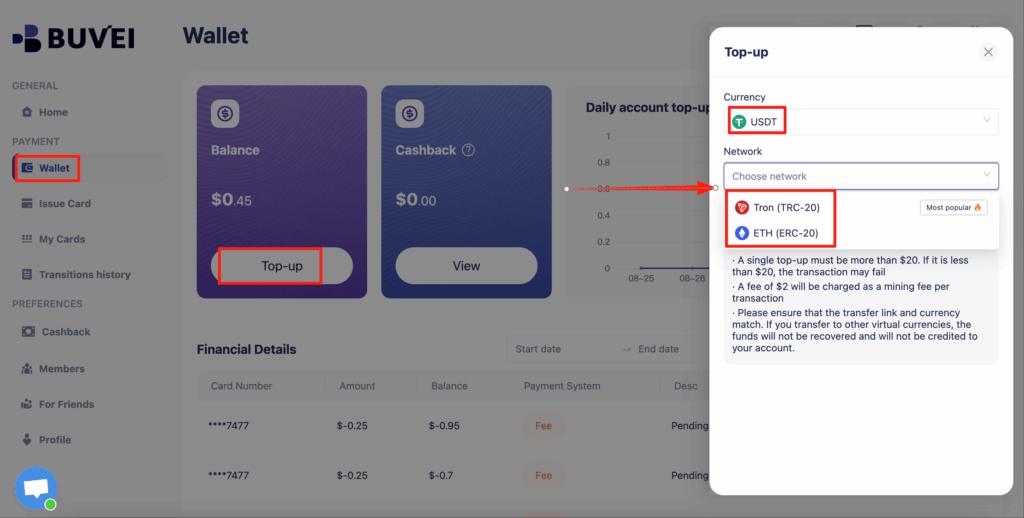
 Step 2: Deposit Funds
Go to the Wallet section and deposit funds using supported stablecoins:
-
USDT (TRC20)
-
USDT (ERC20)
Once the transaction is confirmed on the blockchain, your wallet balance will be updated.
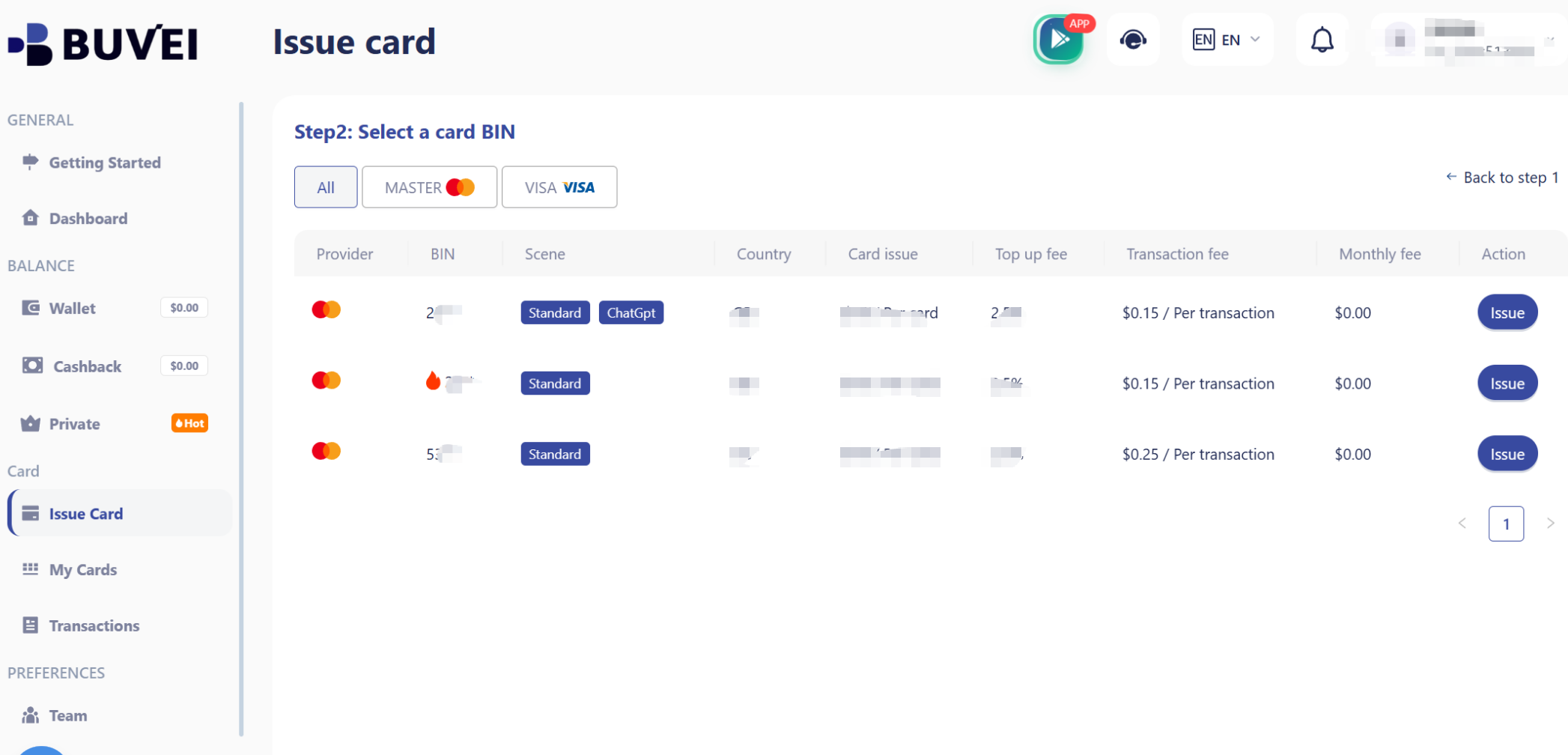
 Step 3: Issue a Virtual Card
-
Open the Cards section
-
Choose the desired BIN region
-
Select the card type
-
Enter the card name, initial balance, and number of cards
-
Click Create Card
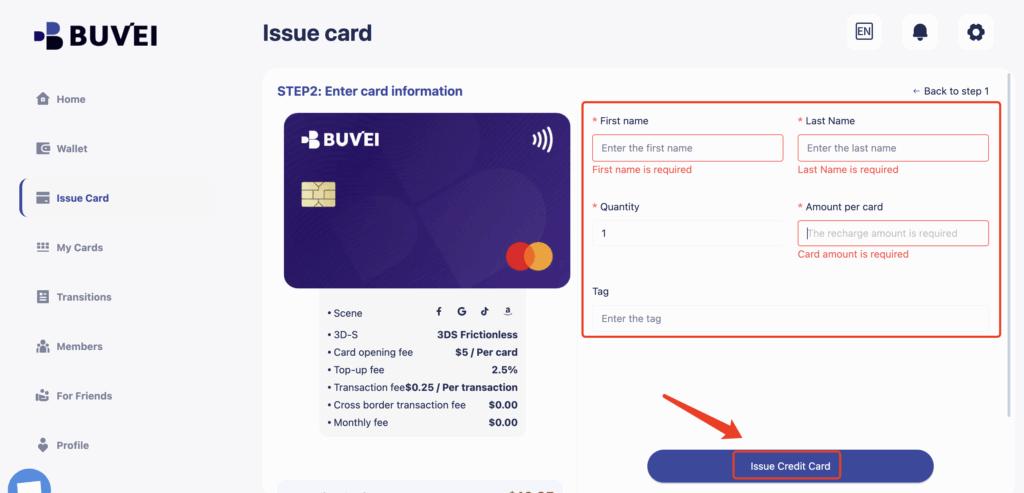
The card will be generated instantly and can be used for online payments.
You will be able to view:
-
Card number
-
Expiration date
-
CVV
-
Card balance
-
Transaction history
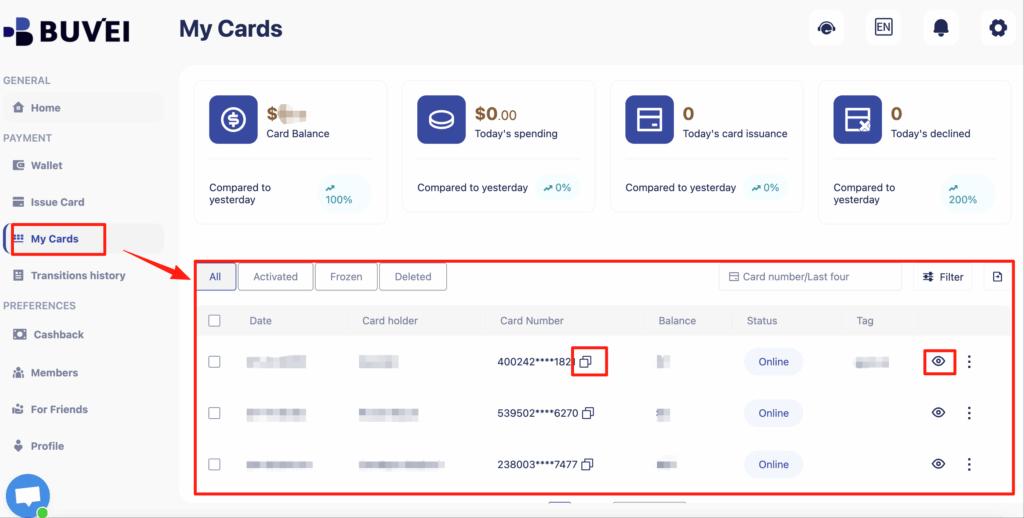
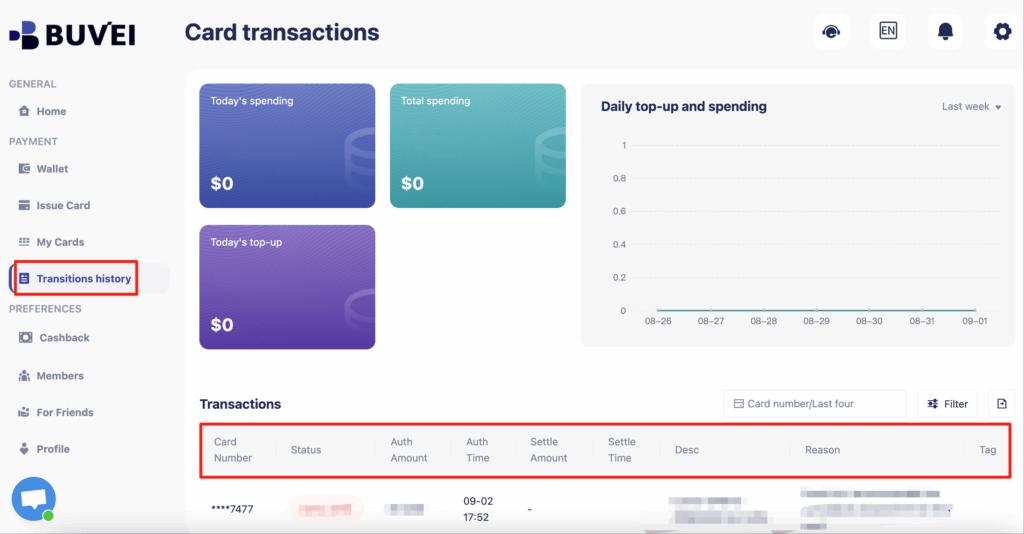
This process ensures that Buvei’s virtual cards are ideal for controlling your spending and managing online payments securely.
Conclusion
Virtual cards provide a flexible way to manage subscription payments for online platforms such as OpenClaw. When properly funded and configured, they can work similarly to traditional cards while offering additional control over spending and subscription management.
For users handling multiple SaaS services, virtual card platforms like buvei offer a convenient way to organize payments, manage budgets, and maintain reliable billing across digital services.