Paying on crypto exchanges like Binance, KuCoin, and Bybit sounds simple—until you actually try it. Card declines, regional restrictions, frozen payments, and failed top-ups are common issues for users funding accounts through traditional banking methods.
Virtual cards have become one of the most effective tools for handling crypto exchange payments more reliably. When set up correctly, they allow users to fund accounts, control spending, and reduce payment risks without exposing personal banking details.
This guide explains how crypto exchange payments work, whether virtual cards are supported, what makes a card suitable for crypto funding, and how to use Buvei virtual cards step by step.

How Crypto Exchange Payments Work on Binance, KuCoin, and Bybit
Most major crypto exchanges support multiple funding methods, but card payments follow strict rules.
Common payment channels include:
-
Credit and debit cards (Visa / Mastercard)
-
Bank transfers
-
P2P marketplaces
-
Third-party payment processors
When using cards, exchanges typically process payments through regulated gateways. These gateways apply region checks, risk controls, and merchant category rules, which is why many payments fail unexpectedly.
Key points to understand:
-
Card acceptance varies by country
-
Some cards work for buying crypto but not for fees or subscriptions
-
Repeated declines can flag your account for review
This is where properly configured virtual cards make a difference.
Can Virtual Cards Be Used to Fund Crypto Exchange Accounts?
Yes—virtual cards can be used on most major exchanges, including Binance, KuCoin, and Bybit, as long as they meet standard card requirements.
From the exchange’s perspective, a virtual card is simply a Visa or Mastercard. What matters is:
-
BIN region
-
Issuer reputation
-
Transaction consistency
-
Sufficient balance
Virtual cards are commonly used for:
-
Buying crypto with card payments
-
Paying trading fees
-
Covering subscription-style services (e.g., VIP tiers, API add-ons)
However, not all virtual cards are suitable for crypto-related merchants.
What Makes a Virtual Card Suitable for Crypto Payments
Crypto exchanges apply higher risk scoring than most e-commerce platforms. A suitable virtual card should meet several criteria.
Key features to look for include:
-
Visa or Mastercard support
-
Stable BIN regions (US or EU preferred)
-
Ability to handle online and international transactions
-
No forced merchant blocks on crypto-related MCCs
-
Clear transaction visibility and balance control
Cards that lack these features are more likely to be declined or frozen during verification.
Common Issues When Using Virtual Cards for Crypto Funding
Even experienced users encounter problems when using cards on exchanges. The most common issues include:
-
Card declined due to region mismatch
-
Insufficient balance caused by fees or FX spread
-
Card blocked after repeated failed attempts
-
Using one card across multiple exchanges simultaneously
-
Funding large amounts too quickly
Most of these issues are not caused by the exchange itself, but by how the card is structured and managed.
The solution is using a dedicated, spend-controlled virtual card designed for online platforms.
How to Create and Use a Virtual Card with Buvei
Buvei is designed for users who need flexibility, speed, and reliable payment acceptance across crypto exchanges and other online platforms.
Below is the standardized operation guide used across all Buvei-related articles.
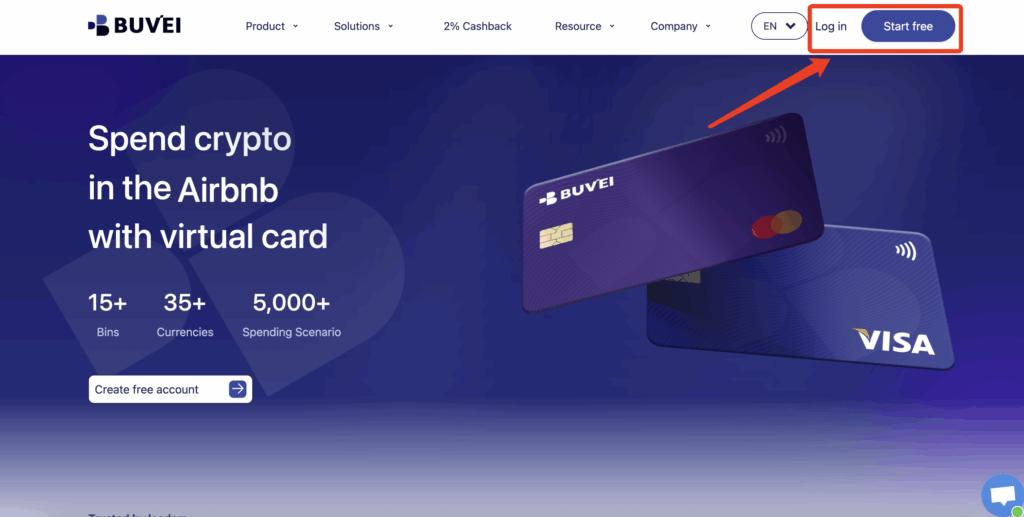
Step 1: Register a Buvei Account
Visit https://buvei.com and create a free account.
After registration:
-
Complete email verification
-
Log in to your dashboard
-
Access wallet, card, and transaction management tools
No traditional bank account is required.
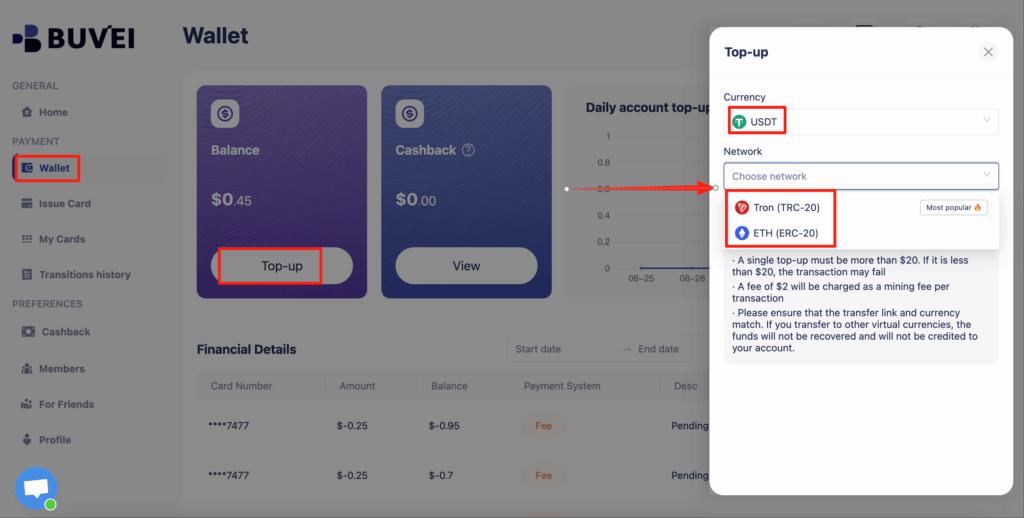
Step 2: Fund Your Wallet with Crypto
Go to the Wallet tab and top up using supported stablecoins:
-
USDT (TRC20)
-
USDT (ERC20)
Buvei provides a dedicated deposit address. Once the transaction is confirmed on-chain, your balance becomes available instantly.
This allows you to prepare funds specifically for crypto exchange usage.
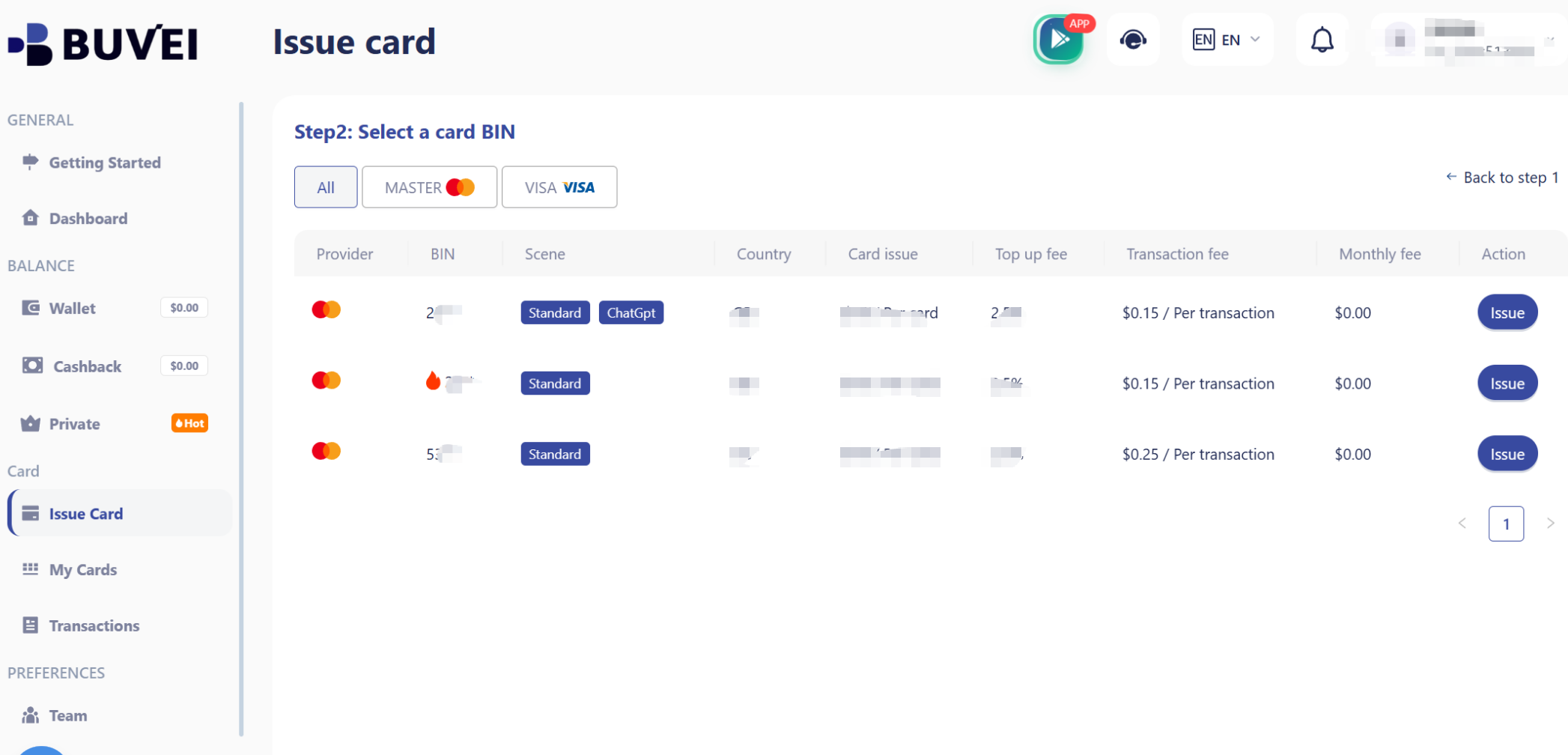
Step 3: Create a Virtual Card
Navigate to the Cards tab:
-
Select your preferred BIN region
-
US BIN is generally recommended for crypto exchanges
-
-
Choose the card type
-
Click Issue Card
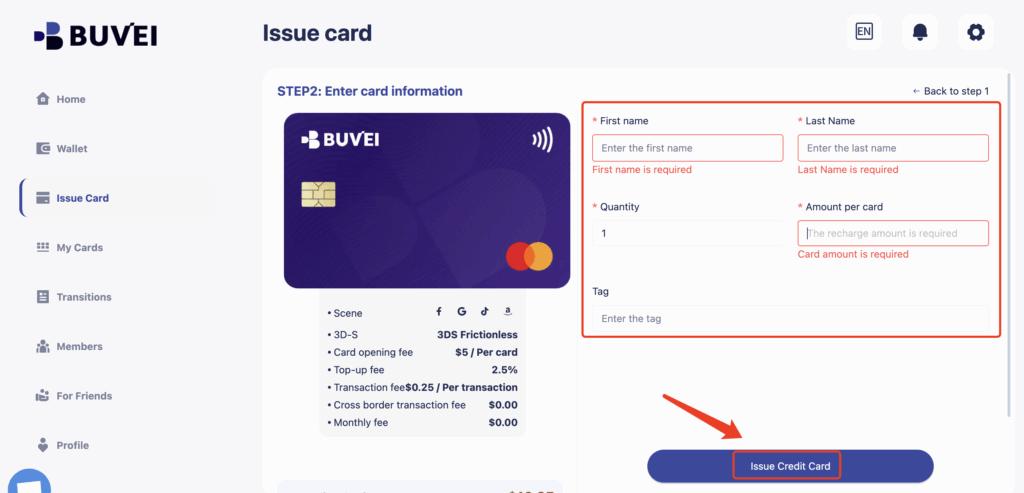
Then:
-
Enter the card name
-
Set the initial amount
-
Select the number of cards
-
Click Create Card
The card is issued immediately and ready for use.
What You Get After Card Creation
Each Buvei virtual card includes:
-
Card number
-
Expiration date
-
CVV
-
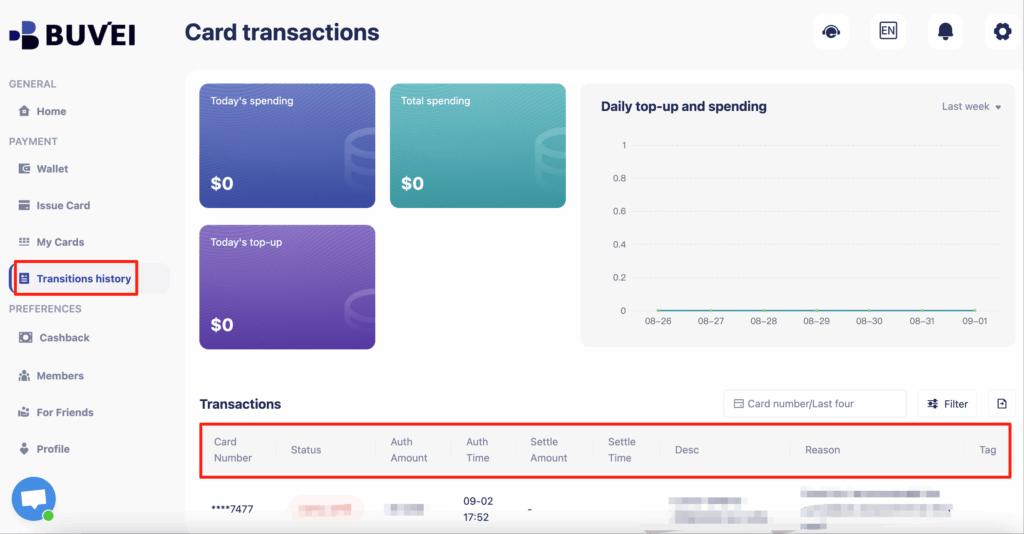
Transaction history
-
Real-time balance and usage tracking
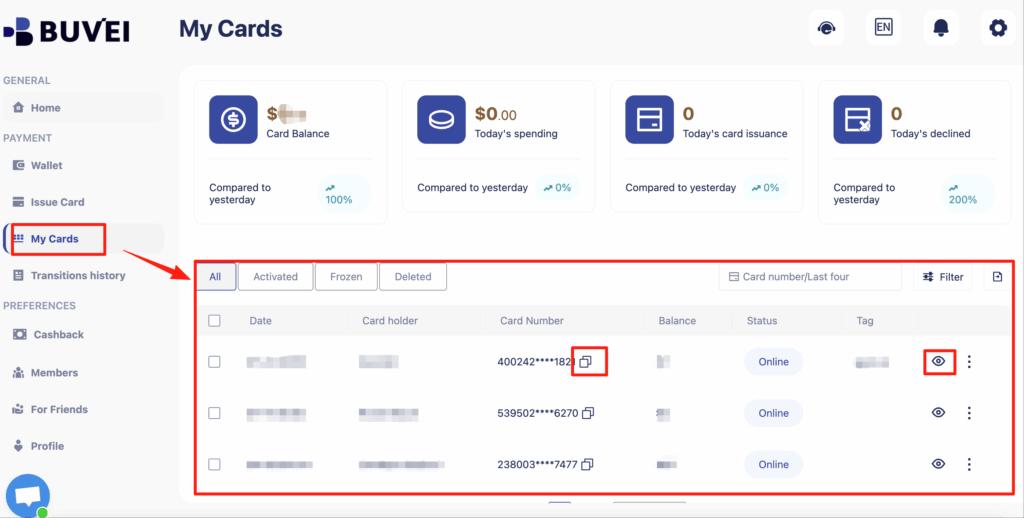
You can assign one card per exchange to isolate risk and simplify reconciliation.
Best Practices for Using Virtual Cards on Crypto Exchanges
Professional users follow these rules to minimize issues:
-
Use one virtual card per exchange
-
Start with small test transactions
-
Avoid rapid repeated payment attempts
-
Keep balances aligned with actual usage
-
Monitor transaction logs regularly
This approach reduces declines and helps maintain long-term account stability.

Final Thoughts
Using virtual cards is one of the most effective ways to manage crypto exchange payments safely and efficiently.
When set up correctly, virtual cards provide:
-
Higher payment success rates
-
Better control over crypto-funded spending
-
Reduced exposure to account freezes
-
Cleaner separation between exchanges
With a structured setup using Buvei, users can fund Binance, KuCoin, Bybit, and other exchanges with greater confidence—without relying on traditional banking rails.