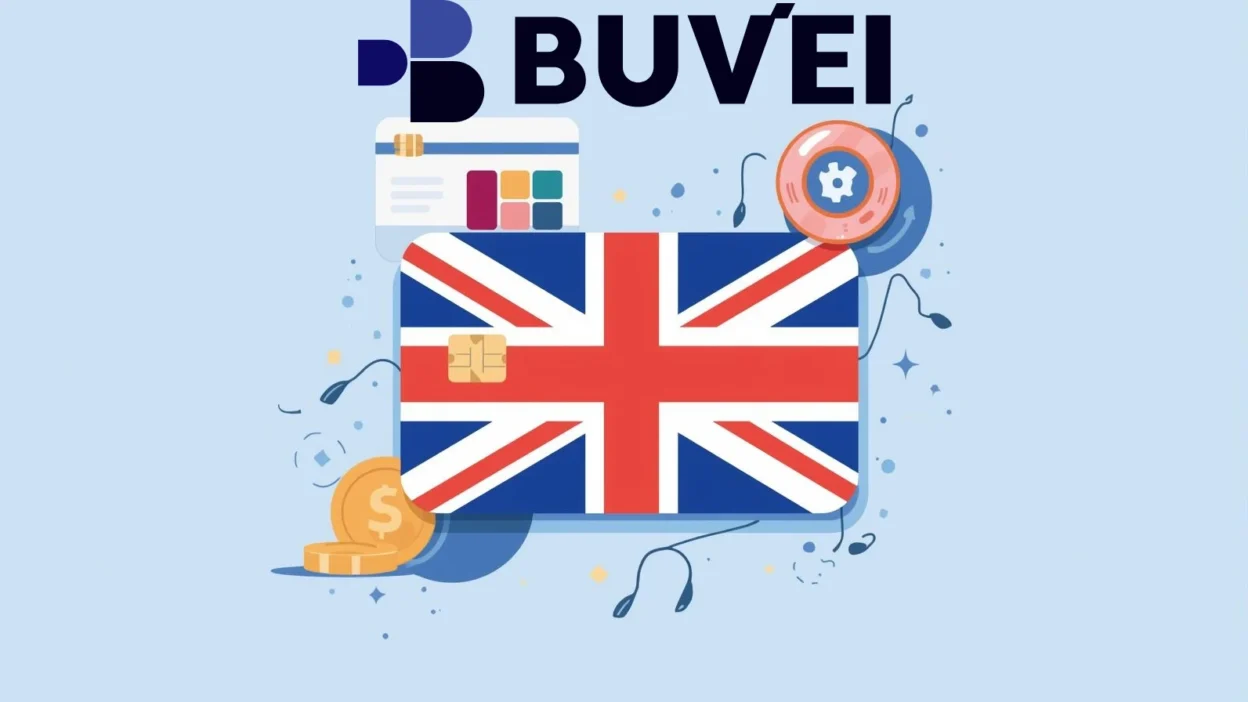
The UK has one of the most advanced digital payment ecosystems in the world. Contactless cards, mobile wallets, and online banking are already part of everyday life.
But even in a mature market like the UK, users are increasingly turning to virtual cards—not because traditional methods don’t work, but because virtual cards offer something more: control, flexibility, and better security for online payments.
Whether you're managing subscriptions, shopping internationally, or running online businesses, virtual cards are becoming a key part of modern payment setups.
In this guide, we’ll explore why UK users are adopting virtual cards in 2026, what features matter most, and how to choose the right platform.
Online Payment Methods Popular in the UK
UK consumers already have access to a wide range of payment options.
Traditional Cards
- Credit and debit cards are widely accepted
- Contactless payments dominate in physical stores
- Strong integration with online checkout systems
Digital Wallets
Popular wallets include:
- Apple Pay
- Google Pay
- PayPal
These offer:
- Convenience
- Fast checkout
- Secure tokenization
Open Banking and Bank Transfers
The UK has embraced:
- Instant bank transfers
- Open Banking payments
These are often used for:
- Domestic transactions
- Peer-to-peer payments
Where Limitations Still Exist
Despite these options, users still face issues with:
- Managing multiple subscriptions
- Controlling spending across platforms
- Handling international payments efficiently
That’s where virtual cards come in.

Why UK Users Choose Virtual Cards
Virtual cards aren’t replacing existing methods—they’re enhancing them.
Better Subscription Management
UK users often subscribe to:
- Streaming services
- SaaS tools
- Membership platforms
Virtual cards allow:
- One card per subscription
- Easy cancellation by disabling the card
- Clear tracking of recurring payments
Improved Security
Instead of using the same card everywhere:
- Virtual cards isolate risk
- Reduce exposure to fraud
- Protect primary bank accounts
Spending Control
Users can:
- Set limits per card
- Control budgets
- Prevent overspending
This is useful for both individuals and businesses.
Flexibility for Online Use
Virtual cards are ideal for:
- One-time purchases
- Temporary services
- Testing new platforms
Growing Use in Business and Freelancing
For UK-based businesses and freelancers:
- Manage multiple tools
- Separate expenses
- Control payments across teams
Comparing Virtual Card Features in the UK Market
Not all virtual card platforms offer the same capabilities. Here’s what UK users should look for.
Acceptance Rate
Even in the UK, payment acceptance matters:
- Cards must work across global platforms
- Declines should be minimal
Multi-BIN Support
This improves:
- International compatibility
- Payment success rates
- Reduced fraud-related declines
Multi-Currency Capability
For international transactions:
- Support for USD, EUR, and more
- Efficient currency conversion
- Lower FX fees
Spending Controls
Look for:
- Per-card limits
- Merchant restrictions
- Real-time adjustments
Ease of Use
A good platform should offer:
- Instant card creation
- Simple dashboard
- Quick setup
API and Automation (for Businesses)
For advanced users:
- Programmatic card issuance
- Integration with workflows
- Scalable payment management
Using Virtual Cards for Subscriptions, Travel, and Shopping
Virtual cards are versatile and fit naturally into everyday use cases.
Subscriptions
- Assign one card per service
- Avoid unwanted renewals
- Cancel instantly by disabling the card
Travel
For UK users traveling abroad:
- Pay in foreign currencies
- Avoid exposing main card details
- Manage travel expenses easily
Online Shopping
For e-commerce:
- Protect primary payment details
- Reduce fraud risk
- Improve checkout success
SaaS and Digital Services
For professionals:
- Manage multiple tools
- Track expenses clearly
- Avoid billing confusion
Ads and Online Business
For marketers and agencies:
- Assign cards per ad account
- Control budgets
- Prevent unexpected charges
 Why Buvei Virtual Cards Are Suitable for UK Users
While the UK market offers many options, Buvei stands out for users who need more than just basic functionality.
High Acceptance with Multi-BIN Infrastructure
Buvei provides:
- Multiple BINs across regions
- Better compatibility with global platforms
- Fewer declined transactions
Multi-Currency Support
With Buvei, UK users can:
- Pay in multiple currencies
- Reduce FX friction
- Improve international payment efficiency
Advanced Spending Controls
You can:
- Set limits per card
- Allocate budgets
- Control payments in real time
Instant Card Issuance
Need a new card?
- Create it instantly
- Use it immediately
- Replace it anytime
Built for Both Individuals and Businesses
Buvei works well for:
- Personal use
- Freelancers
- Agencies
- Growing businesses
API for Scalable Operations
For advanced users, Buvei offers:
- Automated card creation
- Payment workflow integration
- Scalable financial management
Final Thoughts
The UK already has a strong payment ecosystem—but virtual cards take it a step further.
They provide:
- Better control over subscriptions
- Stronger security for online payments
- Flexibility for global transactions
- Clearer expense management
For everyday users, this means fewer surprises and more control.
For businesses, it means scalable and efficient payment systems.
And if you’re looking for a solution that combines global compatibility, flexibility, and advanced control, platforms like Buvei offer a practical upgrade to how payments are managed in 2026.