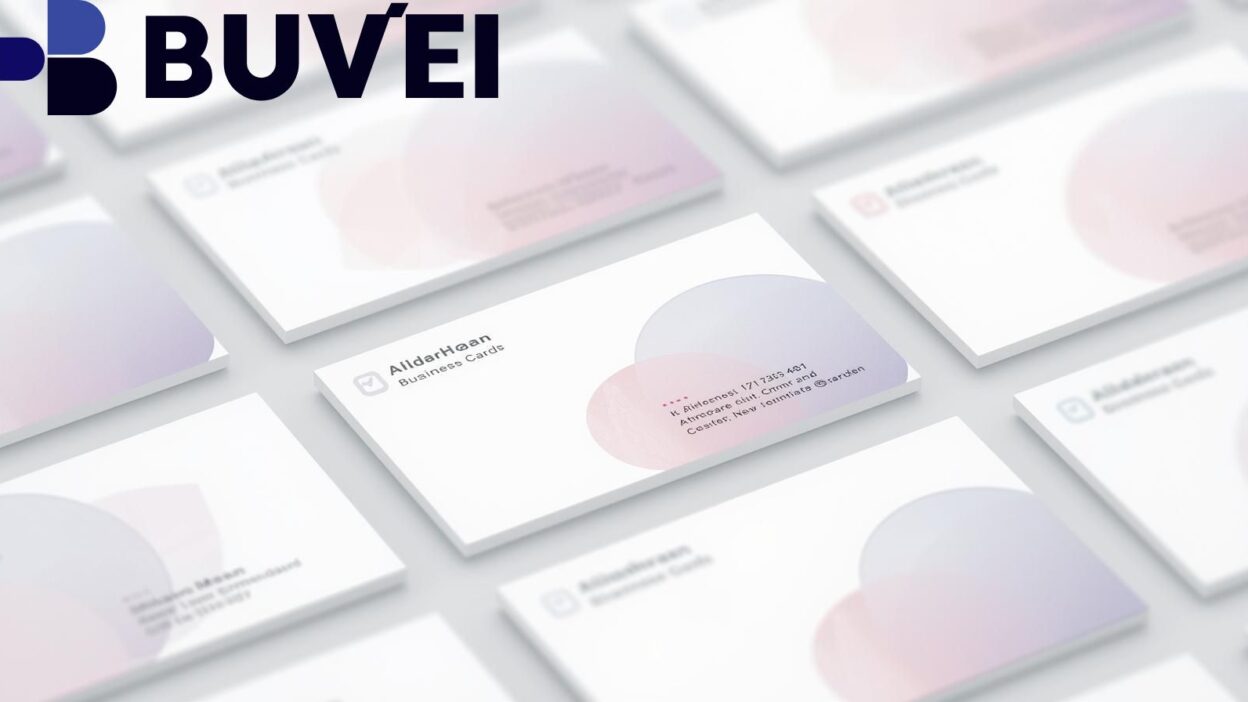
In today’s fast-moving startup ecosystem, first impressions matter more than ever. Traditional paper business cards are quickly being replaced by virtual business cards, offering startups a more flexible, eco-friendly, and scalable way to share contact information and promote their brand identity. For growing teams that value digital efficiency and consistent branding, virtual business cards are no longer optional—they’re essential.
This guide explores the best virtual business card platforms for startup teams, evaluates their standout features, and shares strategic tips for startups looking to optimize networking in a digital-first world.
What Are Virtual Business Cards and Why They Matter
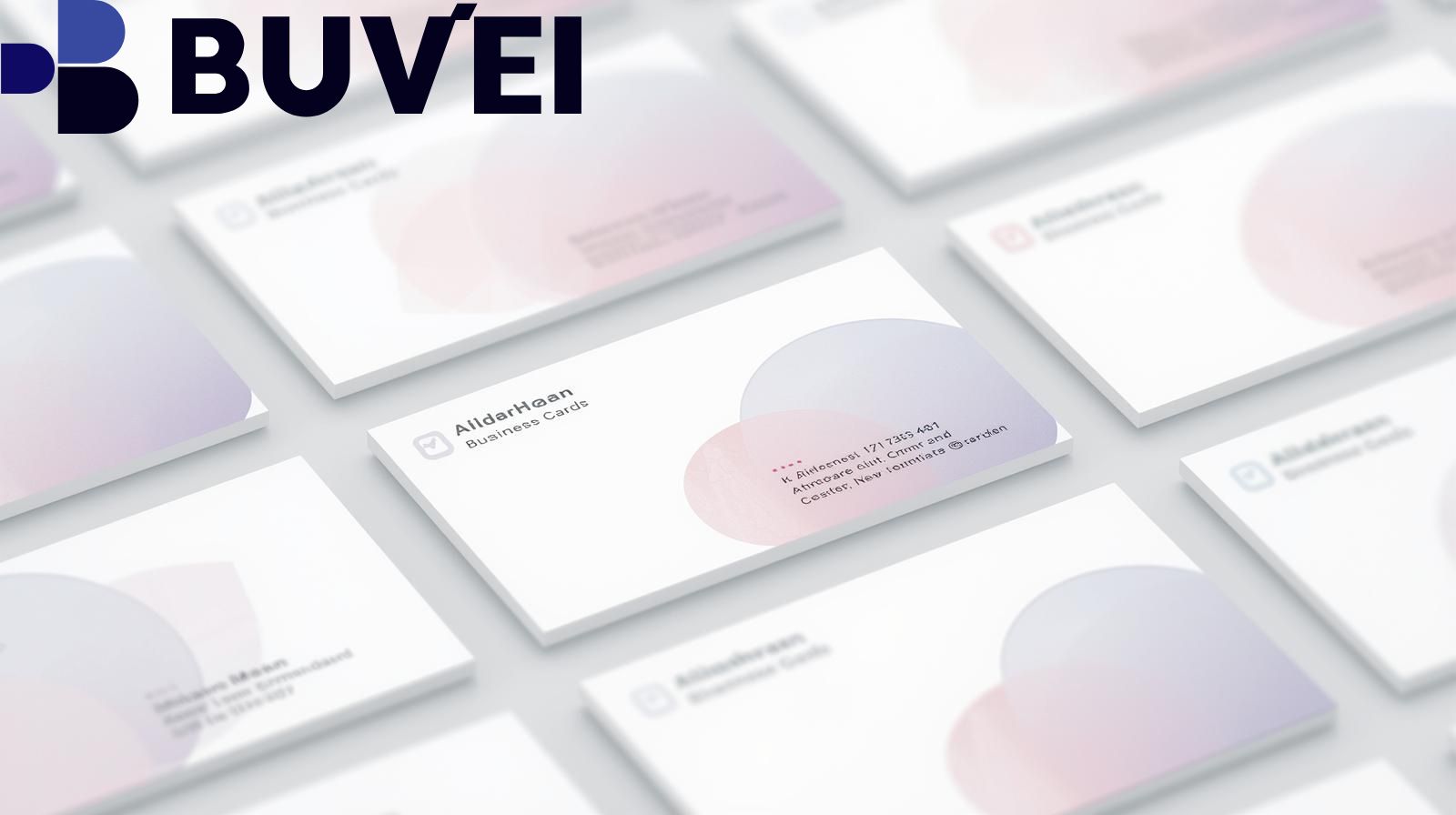
Virtual business cards (also known as digital business cards or e-business cards) are digital versions of traditional cards that can be shared via QR codes, email signatures, or links. Unlike paper cards, they allow real-time updates, analytics tracking, and integration with CRM systems.
For startup teams, virtual cards deliver several benefits:
-
Brand Consistency: Ensure every team member’s card reflects the same logo, fonts, and design.
-
Scalability: New hires can be onboarded instantly with pre-set templates.
-
Eco-Friendly: No printing waste—perfect for sustainability-focused startups.
-
Data Insights: Track engagement with your cards and see who interacts with your brand.
By moving to digital, startups can project a modern, tech-forward image that aligns with innovation and growth.
Top Virtual Business Card Platforms for Startup Teams in 2025
Below are some of the best virtual business card solutions that combine usability, customization, and enterprise features ideal for startups.
a. HiHello
HiHello stands out for its team management dashboard and easy CRM integrations. Admins can assign templates, manage users, and analyze engagement metrics.
-
Key Features: Custom domain, analytics dashboard, contact export options, QR sharing.
-
Best For: Startups prioritizing brand consistency and CRM connectivity.
b. Popl Teams
Popl offers both physical NFC-enabled cards and digital versions, perfect for hybrid teams. The Popl Teams dashboard allows startups to oversee every employee’s profile and update details instantly.
-
Key Features: CRM integration (HubSpot, Salesforce), analytics, team control panel.
-
Best For: Growth-stage startups with distributed or sales-driven teams.
c. Blinq
Blinq focuses on simplicity and speed, offering an intuitive interface and beautiful templates. It’s ideal for early-stage startups that need affordable, branded cards.
-
Key Features: QR code sharing, Apple Wallet support, API integration.
-
Best For: Startups seeking quick setup and polished, minimal designs.
d. Haystack
Haystack provides a balance between design aesthetics and corporate control. It’s often used by tech startups for its professional design library and advanced analytics.
-
Key Features: Centralized management, data privacy compliance, live updates.
-
Best For: Teams that value privacy and data governance.
How to Choose the Right Virtual Business Card for Your Startup
When selecting a virtual business card solution, consider these key factors:
-
Team Size & Growth Potential: Choose a platform that scales as your startup expands.
-
Integration Needs: Check if the tool integrates with HubSpot, Slack, or Google Workspace.
-
Brand Control: Ensure admins can customize designs globally for all members.
-
Security & Privacy: Opt for platforms compliant with GDPR and SOC 2 standards.
-
Analytics & Tracking: Select cards that track engagement to refine networking strategies.
A strategic choice will help your team build stronger connections while keeping your brand image professional and cohesive.

Best Practices for Using Virtual Business Cards Effectively
Even the best tools require the right approach. To maximize your investment:
-
Standardize Templates: Use one brand-approved layout for the entire team.
-
Add Multimedia Elements: Include a logo, headshot, or short introduction video.
-
Link Smartly: Add links to LinkedIn, Calendly, or your company’s landing page for easy follow-ups.
-
Train the Team: Ensure every employee knows how to share and update their virtual card.
-
Track and Adjust: Use analytics to identify which connections drive the most engagement.
Following these best practices turns digital cards from simple contact tools into powerful networking assets.
Conclusion
For modern startups, virtual business cards are more than digital replacements for paper—they are dynamic branding tools that connect teams and clients in smarter ways. Platforms like HiHello, Popl, Blinq, and Haystack make it easy to unify your team’s identity, monitor networking performance, and present your startup as forward-thinking and professional.
As digital-first impressions become the new norm, adopting virtual business cards ensures your startup stands out—efficiently, sustainably, and stylishly.