One-time use virtual cards are becoming a preferred solution for users who want greater control, stronger security, and safer online transactions. Whether you're signing up for free trials, paying for subscriptions, or shopping on unfamiliar websites, single-use cards help reduce fraud risks and protect sensitive financial data.
What Is a One-Time Use Virtual Card
A one-time use virtual card is a temporary digital payment card designed to be used for a single transaction or a limited number of payments.
Definition of One-Time Use Virtual Cards
A one-time virtual card includes:
- A unique card number
- Temporary expiration details
- A fixed spending limit
- Automatic expiration after use
Unlike traditional debit or credit cards, these cards are not meant for repeated use, which significantly reduces fraud exposure.
How One-Time Virtual Cards Are Created
Most providers allow users to generate single-use cards instantly.
Typical creation steps include:
- Log into a virtual card platform
- Select "Create new card"
- Set spending limits
- Define expiration or usage rules
- Generate the card instantly
Once the transaction is completed, the card becomes inactive or automatically expires.
Types of One-Time Virtual Cards
There are two common variations:
Single-Transaction Cards
These cards:
- Work for only one payment
- Automatically expire after use
- Prevent reuse attempts
They are ideal for unknown merchants or risky environments.
Time-Limited Cards
These cards:
- Stay active for a short period
- Can support short-term subscriptions
- Expire automatically after a set date
They provide flexibility while maintaining security.

How Single-Use Cards Protect Online Transactions
Security is one of the biggest reasons users choose one-time virtual cards.
Reducing Fraud Risk
Single-use cards reduce fraud risk by limiting exposure.
Key benefits include:
- Card details cannot be reused
- Stolen data becomes useless
- No long-term financial exposure
- Reduced unauthorized transactions
Even if attackers obtain the card number, it becomes invalid after use.
Protecting Primary Bank Accounts
Traditional payments expose real card information.
One-time virtual cards act as an intermediary layer.
Advantages include:
- Keeps main card details hidden
- Limits transaction amounts
- Prevents large unauthorized charges
- Improves financial safety
This layered approach significantly improves payment security.
Preventing Unauthorized Recurring Charges
Many users forget to cancel free trials.
Single-use cards solve this issue.
They:
- Automatically block future charges
- Prevent unexpected renewals
- Control subscription risks
This makes them ideal for managing recurring services.
When to Use Temporary or Single-Use Cards
Not every payment requires a temporary card, but certain scenarios benefit greatly from them.
Shopping on Unfamiliar Websites
When buying from new or unknown platforms, security risks increase.
Single-use cards help by:
- Limiting exposure
- Blocking repeat billing
- Protecting personal financial data
They are especially useful for international websites.
Signing Up for Free Trials
Many services require payment details before activating trials.
Examples include:
- Netflix
- Spotify
- Adobe
Using a one-time card prevents accidental subscription renewals.
Testing New Online Services
Developers, marketers, and businesses often test new tools.
Temporary cards allow:
- Safe platform testing
- Budget-controlled experimentation
- Quick payment setup
This helps avoid unnecessary long-term billing.
Common Scenarios: Subscriptions, Trials, and Online Shopping
One-time virtual cards are versatile and support multiple real-world payment situations.
Subscription Management
Subscriptions are among the most common payment types today.
Single-use cards help manage:
- SaaS subscriptions
- Streaming services
- Cloud storage platforms
They allow users to test services without long-term financial risk.
Online Shopping and Marketplace Purchases
Online marketplaces are growing rapidly.
Popular platforms include:
- Amazon
- eBay
- AliExpress
Single-use cards reduce exposure during purchases from unknown sellers.
Digital Product Purchases
Temporary cards are useful when buying:
- Software licenses
- E-books
- Digital assets
- Online tools
These purchases often require one-time payments, making temporary cards ideal.
Managing Budget-Sensitive Payments
Some users create single-use cards with strict limits.
Benefits include:
- Spending control
- Budget discipline
- Reduced overspending risk
This is especially useful for teams managing shared expenses.
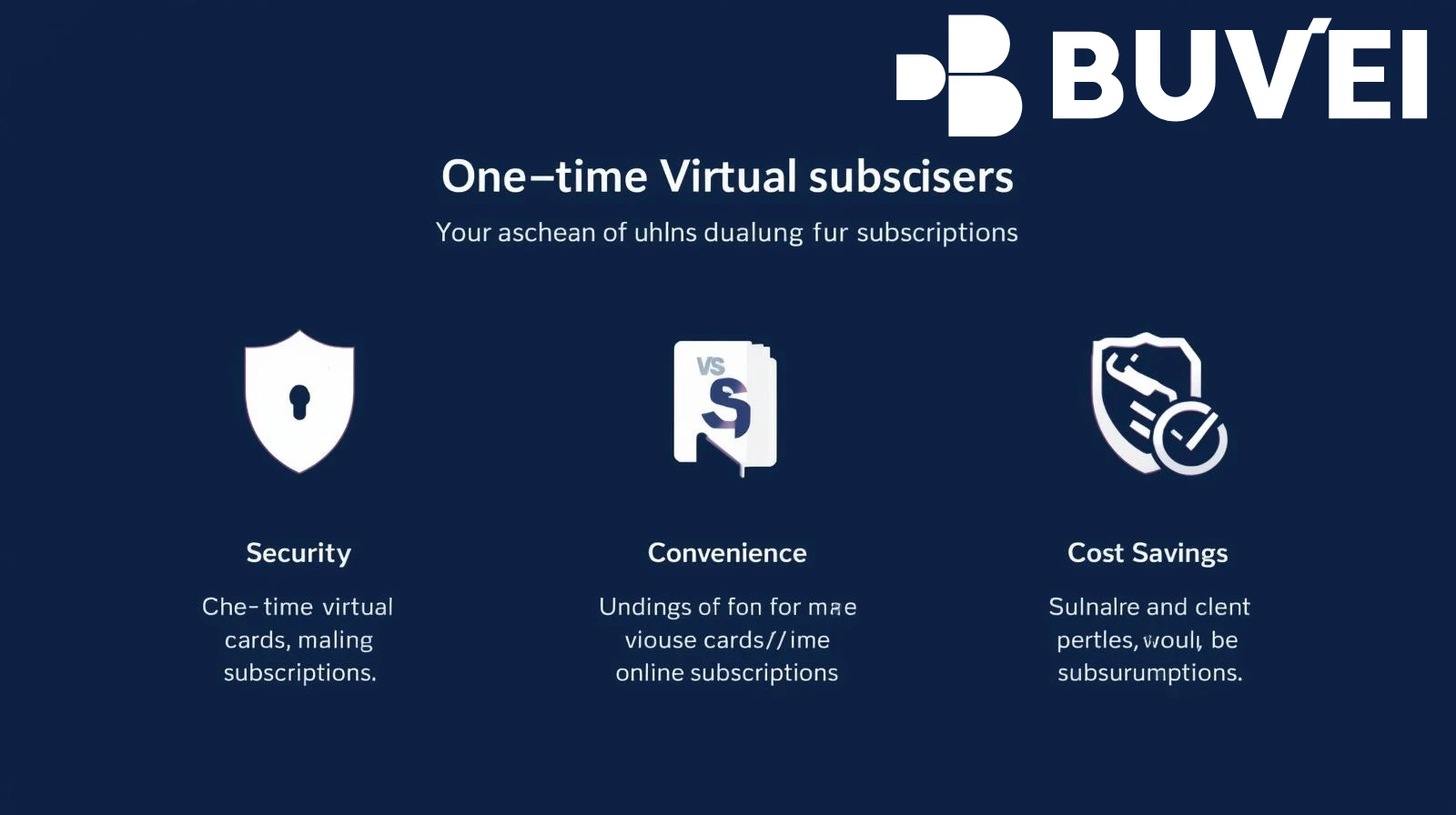
Using buvei Virtual Cards for Controlled Payments
Virtual card platforms provide tools that enhance payment control and security.
A typical controlled virtual card system allows users to:
- Generate multiple one-time cards
- Set custom spending limits
- Create time-based expiration rules
- Monitor transactions in real time
- Disable cards instantly
These features support safer online activity while maintaining flexibility.
Compared to traditional payment methods, controlled virtual cards offer:
- Better risk management
- Improved payment privacy
- Greater flexibility
- Stronger transaction oversight
For users managing subscriptions, digital tools, or online purchases, single-use virtual cards provide a practical balance between security and usability.
Final Thoughts
One-time use virtual cards are becoming an essential tool for modern digital payments. As online fraud risks continue to rise, limiting exposure through temporary card numbers offers a practical and effective security solution.
Whether you're testing subscriptions, shopping online, or managing digital services, single-use virtual cards provide:
- Stronger payment security
- Better financial control
- Reduced fraud exposure
- Safer online experiences
As digital transactions continue growing worldwide, temporary payment tools will play an increasingly important role in protecting users and simplifying online payments.