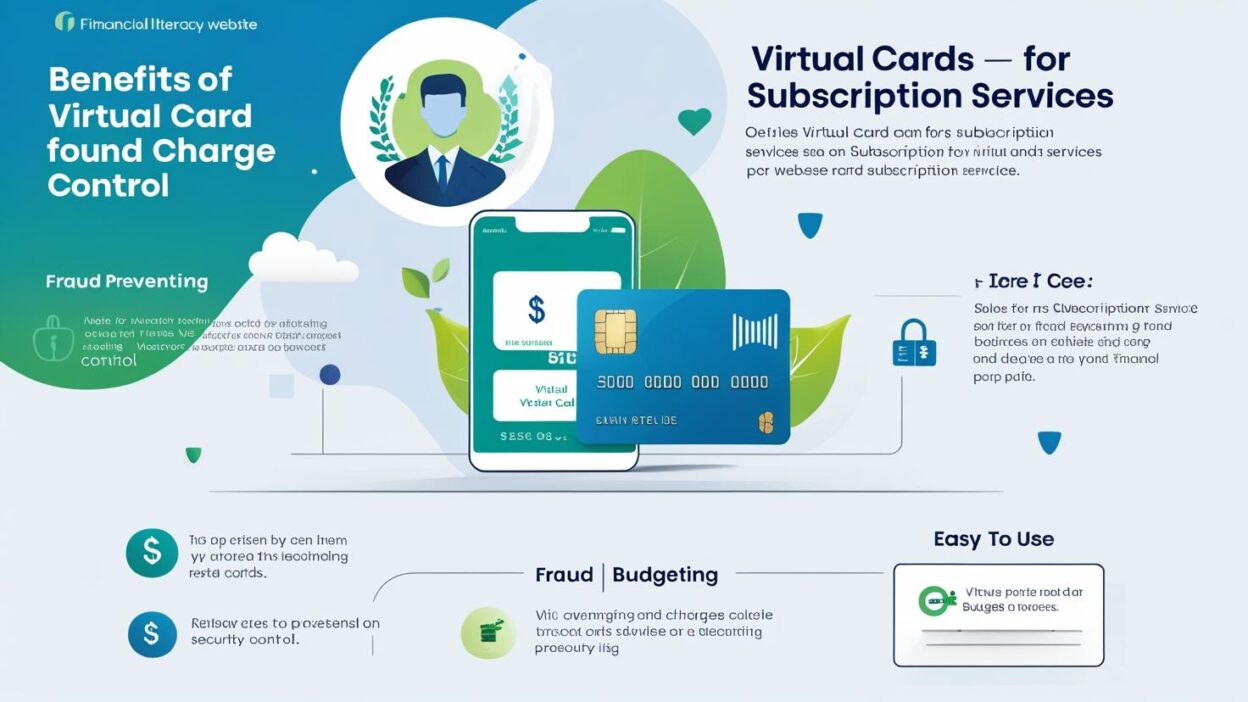
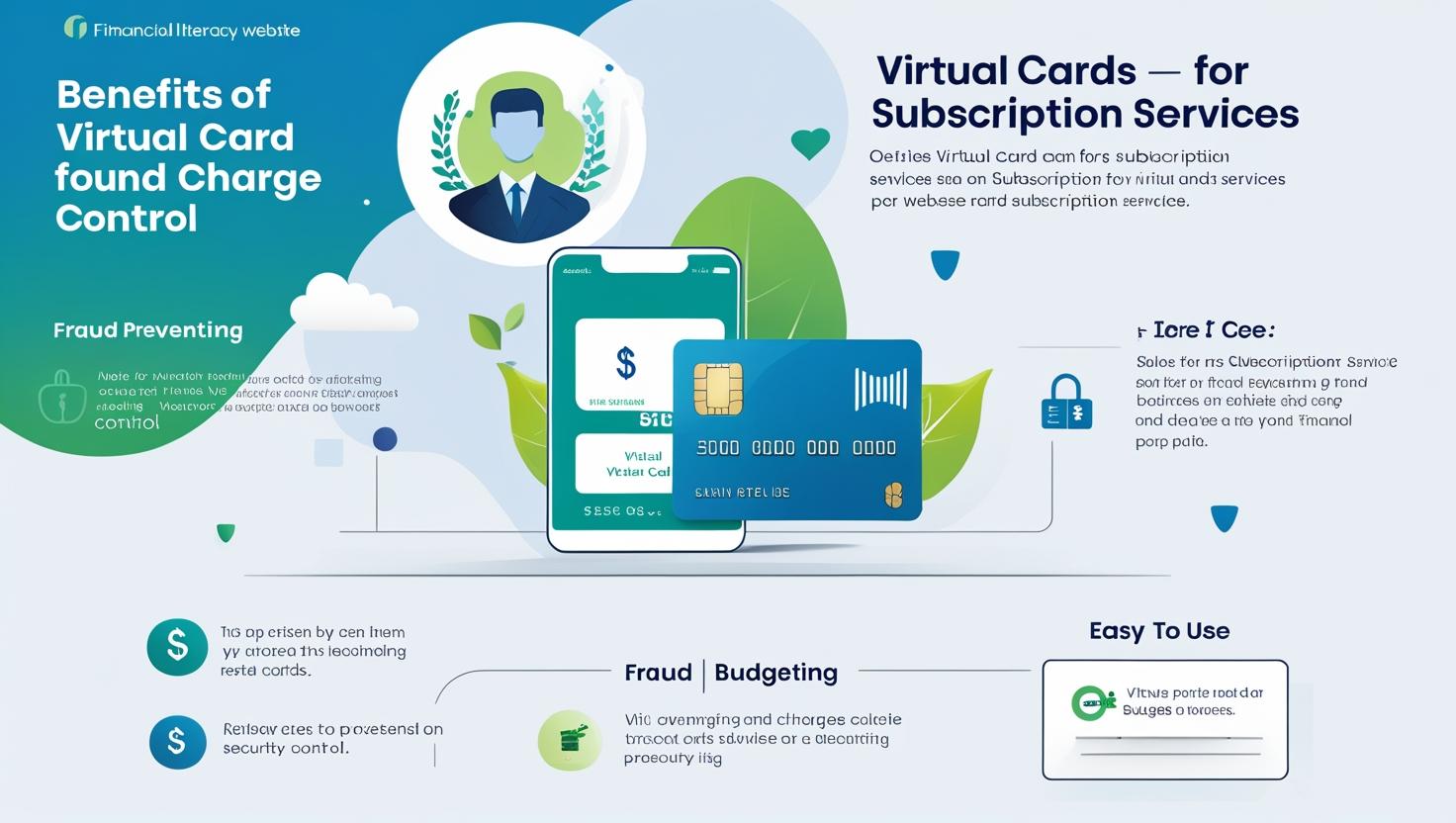
Subscription-based services—from streaming platforms like Netflix to SaaS tools—have become an integral part of daily life and business operations. While these services offer convenience, they also come with challenges such as fraudulent transactions, unauthorized charges, and difficulties in managing multiple recurring payments.
This is where virtual cards step in. Unlike physical debit or credit cards, virtual cards are generated digitally with unique numbers, expiration dates, and CVV codes. They act as a secure layer between the user and the service provider, giving customers more control over their financial safety and spending.
In this article, we will explore the advantages of virtual cards in subscription services, highlight key policy perspectives, and introduce BUVEI, a trusted virtual card solutions platform that empowers both individuals and businesses.
Enhanced Protection Against Fraudulent Transactions
Online subscription platforms are frequent targets for hackers. Stolen card credentials can lead to unauthorized charges or identity theft.
-
Virtual cards minimize risks by generating unique card numbers for each subscription. If one virtual card is compromised, it does not expose the user’s main bank account or other subscriptions.
-
Many jurisdictions, including the U.S. and the EU, have implemented consumer protection policies like Regulation E and PSD2 to safeguard electronic transactions. Virtual cards align with these regulations by offering additional security and traceability.
-
For businesses managing multiple SaaS subscriptions, virtual cards add an extra verification layer, ensuring fraudulent payments are quickly detected and blocked.
BUVEI, for example, allows users to create disposable or dedicated virtual cards, making it harder for fraudsters to exploit card information.
Control Over Excessive or Hidden Charges
A major pain point for users is when subscription services silently increase prices or charge additional fees without clear notification.
-
Virtual cards provide spending limits. Users can set monthly or annual caps, ensuring that subscription charges cannot exceed the agreed price.
-
Some regions, including the European Union, have rules requiring clear disclosure of subscription renewals. Virtual cards work hand-in-hand with these policies by letting users automatically block unwanted charges once the cap is reached.
-
This is especially beneficial for businesses with dozens of SaaS subscriptions, preventing “subscription creep”—where unused or forgotten subscriptions keep charging the account.
With BUVEI, customers can assign specific budgets to each virtual card, avoiding overspending while maintaining full transparency.
Easy Subscription Management
As digital subscriptions multiply, tracking payments across various services becomes challenging. Virtual cards simplify this process.
-
Users can issue a separate virtual card for each subscription, making it easy to identify which service is linked to which card.
-
Canceling a subscription becomes as simple as closing the associated virtual card.
-
For companies, this means better financial accountability and expense reporting, especially when multiple employees manage different software subscriptions.
BUVEI’s platform provides an intuitive dashboard, enabling individuals and businesses to monitor all active subscriptions, usage history, and spending in one place.
Flexibility for Global Payments
With subscription services often crossing borders, international payment issues can arise—currency conversions, foreign transaction fees, or bank rejections.
-
Virtual cards streamline cross-border payments by supporting multiple currencies and reducing foreign transaction risks.
-
Policies such as the EU Cross-Border Payments Regulation encourage transparency in fees, and virtual cards give users a clearer view of what they’re actually paying.
-
Freelancers and businesses subscribing to international SaaS tools benefit from predictable and controlled costs, without the surprise of hidden conversion charges.
BUVEI offers global-ready virtual cards, allowing users to pay for subscriptions across regions while maintaining compliance with local banking policies.
Conclusion
As the subscription economy expands, so do the risks of fraudulent transactions, hidden charges, and management complexity. Virtual cards provide a powerful solution by offering security, spending control, simplified management, and global payment flexibility.
Platforms like BUVEI make it easier for individuals and businesses to embrace these advantages, ensuring financial safety and efficiency in the digital subscription era.
Whether you’re an individual subscribing to streaming services or a business managing multiple SaaS tools, adopting virtual cards is no longer optional—it’s essential.