As mobile payments continue to replace traditional wallets, Apple Pay has become a go-to solution for fast and convenient transactions. But convenience alone isn’t enough — users increasingly want better control, privacy, and fraud protection.
That’s where Apple Pay virtual cards combined with prepaid virtual cards come in. This setup creates a layered security model, helping users protect their financial data while maintaining flexibility in how they pay.
What Is Apple Pay and How It Works with Virtual Cards
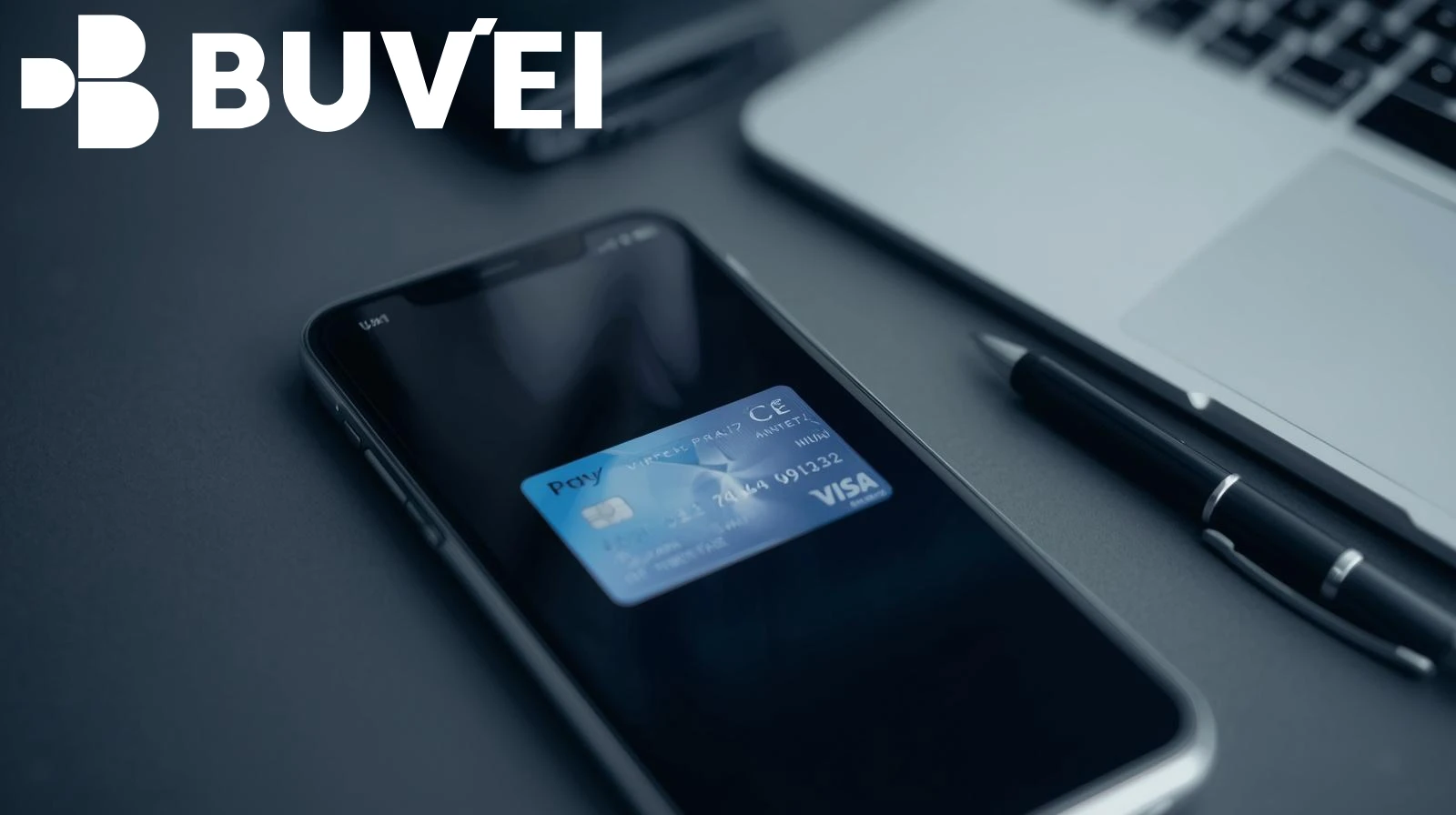
Apple Pay is a digital wallet that allows users to store card details securely and make payments using their devices.
When you add a virtual card to Apple Pay:
-
Your actual card number is replaced with a token
-
Each transaction uses a unique encrypted code
-
Authentication is required via Face ID, Touch ID, or passcode
This means merchants never see your real card information.
Virtual cards can be added to Apple Pay like physical cards (depending on provider support), making them a natural fit for secure mobile payments.
Why Using Prepaid Virtual Cards with Apple Pay Enhances Security
Combining prepaid virtual cards with Apple Pay adds multiple layers of protection.
Tokenization + Isolation
Apple Pay hides your card details, while virtual cards isolate each transaction from your main balance.
Controlled Spending
Prepaid cards allow you to load only the amount needed.
Reduced Fraud Risk
Even if a card is compromised, the exposure is limited.
Safer Everyday Payments
Biometric authentication prevents unauthorized access.
This dual approach is especially effective for online shopping, subscriptions, and contactless payments.

Key Features of Prepaid Virtual Cards for Secure Transactions
To maximize security, prepaid virtual cards should offer the following features:
Custom Spending Limits
Define exactly how much can be spent per card.
Temporary or Disposable Cards
Create cards for one-time or short-term use.
Multi-Card Management
Assign different cards to different merchants or services.
Real-Time Monitoring
Track all transactions instantly.
Global Compatibility
Use cards across international platforms and services.
These features make prepaid virtual cards a strong complement to Apple Pay.
Common Payment Issues and How to Resolve Them
While Apple Pay virtual cards are generally reliable, issues can occur.
Card Not Supported
Some virtual cards may not be compatible with Apple Pay.
Solution: Choose a provider that supports wallet integration.
Payment Declined
Possible causes include:
-
Insufficient balance
-
Merchant restrictions
-
Unsupported BIN region
Solution: Ensure adequate balance and use widely accepted BINs.
Verification Issues
Apple Pay may require additional authentication.
Solution: Complete verification steps provided by your card issuer.
Subscription Failures
Limited-balance cards may fail for recurring payments.
Solution: Use dedicated cards with sufficient funds for subscriptions.
Understanding these issues helps maintain a smooth payment experience.
Using Buvei Virtual Cards with Apple Pay for Extra Protection
For users who want flexible and controlled payment options, Buvei offers virtual card features that complement mobile wallets.
Flexible Card Creation
Generate multiple cards for different use cases, including temporary or prepaid scenarios.
Spending Control
Set precise limits to manage expenses and reduce risk.
Multi-BIN Support
Access global BIN regions to improve payment success rates.
Fast Crypto Funding
Use USDT (TRC20/ERC20) for quick and efficient deposits.
Centralized Management
Monitor all transactions and cards in one dashboard.
Final Thoughts
Using Apple Pay virtual cards together with prepaid virtual cards provides a powerful balance of convenience and security. By combining tokenization with controlled spending, users can significantly reduce fraud risk while maintaining flexibility.
As digital payments continue to evolve, this layered approach is becoming the standard for secure transactions. Platforms like Buvei make it easy to implement this strategy, helping users build safer, more efficient payment workflows for both online and mobile use.