Introduction
As online payments grow, so do the risks of fraud and data theft. Virtual credit cards have become a powerful solution for individuals and businesses looking to enhance their online payment security. Unlike traditional cards, virtual cards create a protective barrier by masking sensitive banking information. However, simply owning a virtual card is not enough—you need to use it wisely.
In this article, we’ll cover five essential tips to keep your virtual credit card secure. We’ll also highlight how solutions like Buvei provide extra layers of protection and convenience while ensuring smooth global transactions.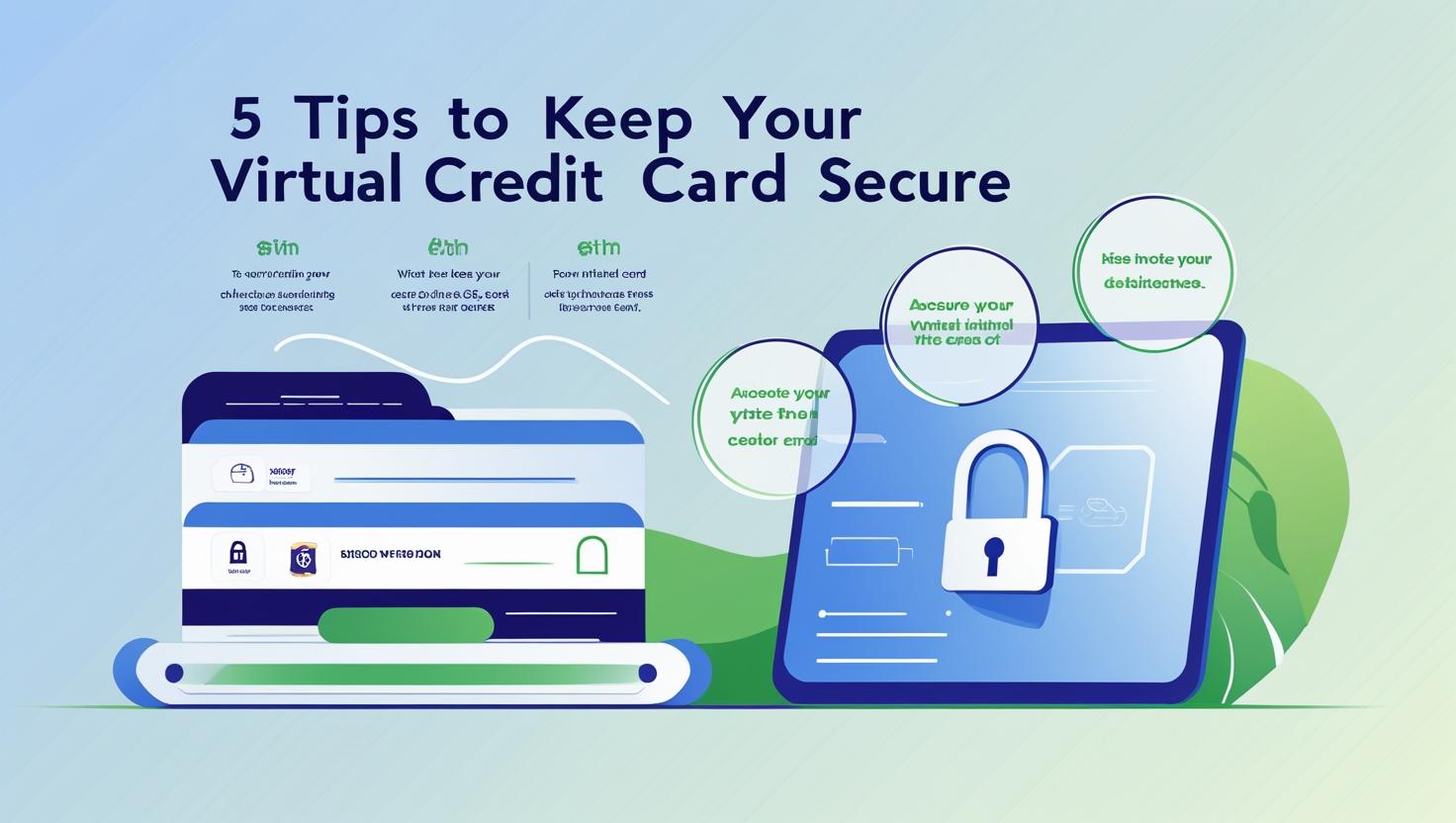
1. Use Unique Virtual Cards for Different Purposes
One of the biggest advantages of virtual cards is the ability to create multiple cards instantly. For maximum security, avoid using a single card for all transactions.
-
E-commerce purchases: Use one virtual card for Amazon, eBay, or other online retailers.
-
Subscriptions: Create a separate card for SaaS tools like Canva, ChatGPT, or Notion.
-
Advertising: Assign unique cards for platforms such as Google Ads, Meta Ads, or TikTok Ads.
This separation reduces risk—if one card is compromised, your other transactions remain safe. Buvei supports multi-account management, allowing finance teams and individuals to issue and manage multiple cards seamlessly from one account.
2. Set Spending Limits for Better Control
Fraudulent charges can escalate quickly if your card has unrestricted limits. With virtual cards, you can easily set a spending cap that matches your intended use.
-
For subscriptions, set a limit just above the monthly fee.
-
For ad campaigns, align the card limit with your budget.
-
For travel bookings, adjust the card limit to match expected expenses.
Buvei offers flexible limit settings directly from the dashboard, helping businesses and individuals control expenses while reducing exposure to unauthorized charges.
3. Choose Secure and Reputable Providers
Not all virtual card providers offer the same level of security. When selecting a provider, ensure they follow international compliance standards and use robust fraud detection mechanisms.
Buvei, for example, complies with PCI DSS (Payment Card Industry Data Security Standard). It also protects user privacy by ensuring real bank account details remain hidden. With multiple BIN support across Visa and Mastercard, Buvei increases global transaction success rates while keeping sensitive data safe.
4. Monitor Transactions Regularly
Even with advanced security, monitoring your transactions is a must. Fraudulent activities often start with small test charges that can go unnoticed if you’re not vigilant.
-
Review transactions in real time.
-
Set up alerts for unusual spending.
-
Immediately report suspicious activity to your provider.
Buvei provides a transparent fee structure and a clear backend dashboard where every transaction is visible. This makes it easier to track expenses, spot irregularities, and take quick action.
5. Use Secure Top-Up Methods
The way you fund your virtual card also impacts its security. Traditional bank transfers may involve high fees and delays. Opting for more secure and efficient methods not only saves money but also reduces risks.
Buvei supports USDT top-ups (TRC20/ERC20), ensuring fast deposits with lower costs. This feature is particularly useful for businesses running global operations that require quick payment setups without exposing sensitive bank details.
Summary
Virtual credit cards are a smart tool for protecting financial information and reducing the risk of fraud. By applying these five tips—using unique cards, setting spending limits, choosing reputable providers, monitoring transactions, and using secure top-up methods—you can maximize both security and convenience.
With features like multi-account management, transparent fees, PCI DSS compliance, USDT top-ups, and real-time support, Buvei offers a reliable solution for individuals and businesses seeking stronger financial protection.
Adopting these best practices will not only keep your virtual credit card secure but also streamline your overall payment management.