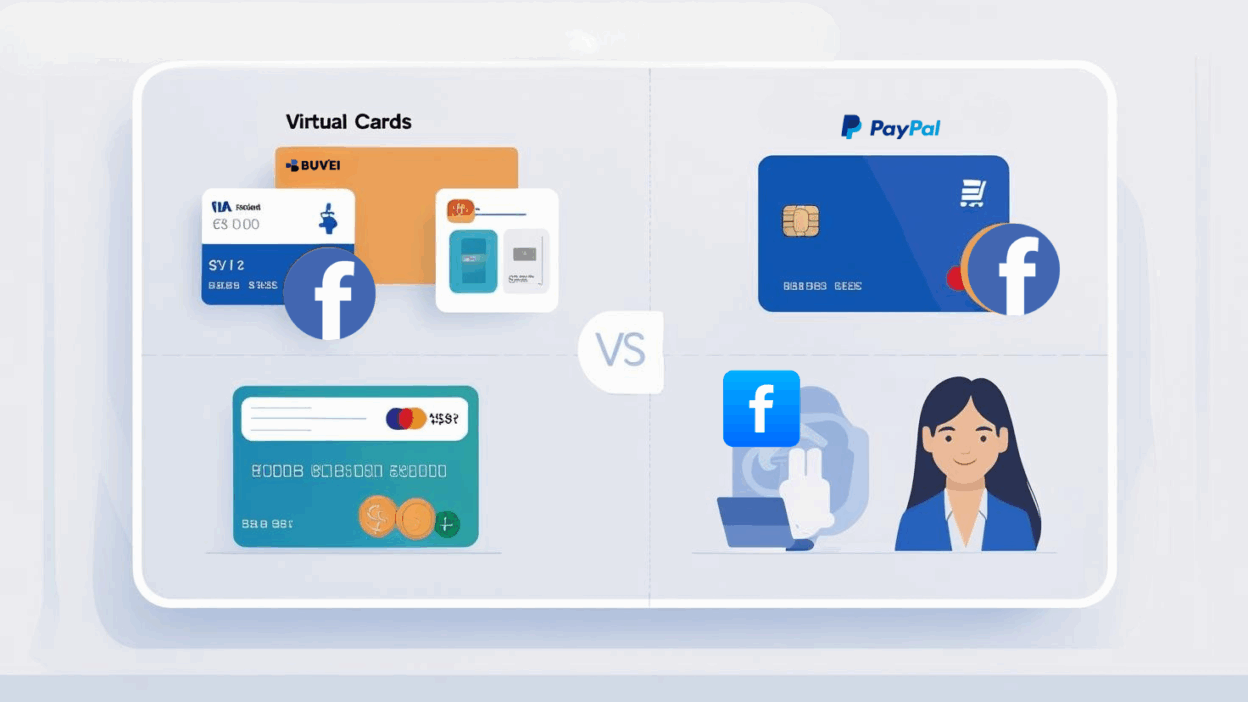
When running Facebook Ads, advertisers often face a crucial question: should I pay with a credit card or via PayPal? While both options are widely accepted, more and more professional marketers and cross-border businesses are turning to virtual cards—especially platforms like Buvei, which support stablecoin top-ups and offer greater flexibility, control, and efficiency.
Why Are Virtual Cards Becoming the Go-To for Advertisers?
✅ 1. Smarter Budget Control
Traditional credit cards are bound by fixed credit limits, and PayPal often involves complex recharge processes—especially when managing multiple ad accounts. Buvei virtual cards allow you to set custom limits and define card lifespan, making it easier to manage budgets per project and prevent overcharges or unauthorized renewals.
✅ 2. Greater Stability and Compatibility
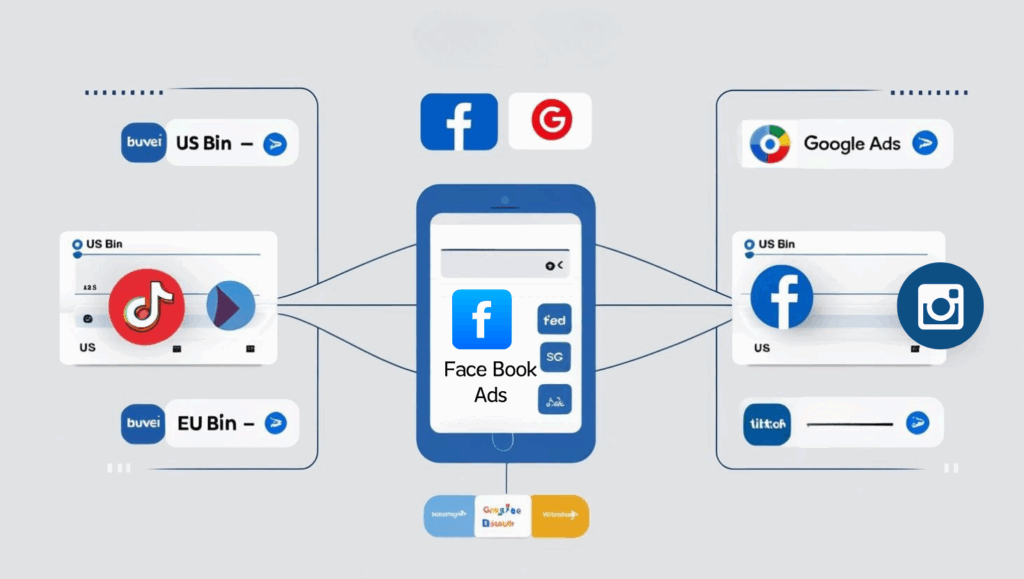
Advertisers often report issues with PayPal, such as account restrictions, currency conversion problems, or failed verifications. Virtual cards eliminate these pain points. Buvei offers multi-region BINs , significantly improving compatibility with Facebook Ads and reducing failure rates.
✅ 3. Lower Fees and Better Cost Control
Paying via PayPal may incur 2%–4% additional costs due to currency conversion and platform fees. In contrast, Buvei virtual cards support USDT (TRC20/ERC20) top-ups, ensuring faster settlements and transparent, crypto-stable rates—meaning you save more on each campaign.
How Easy Is It to Use a Buvei Virtual Card on Facebook Ads?
You can bind your Buvei virtual card to Facebook Ads in just 4 simple steps:
-
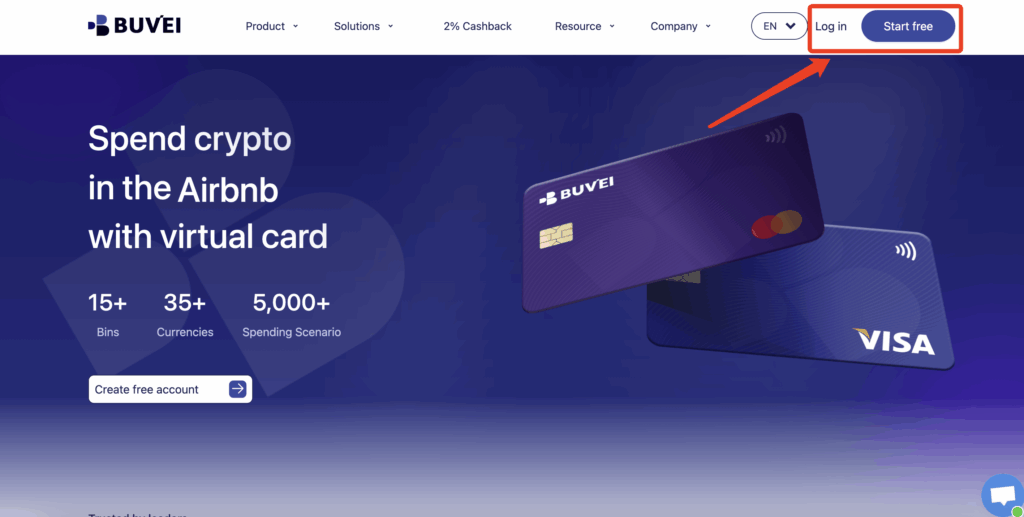
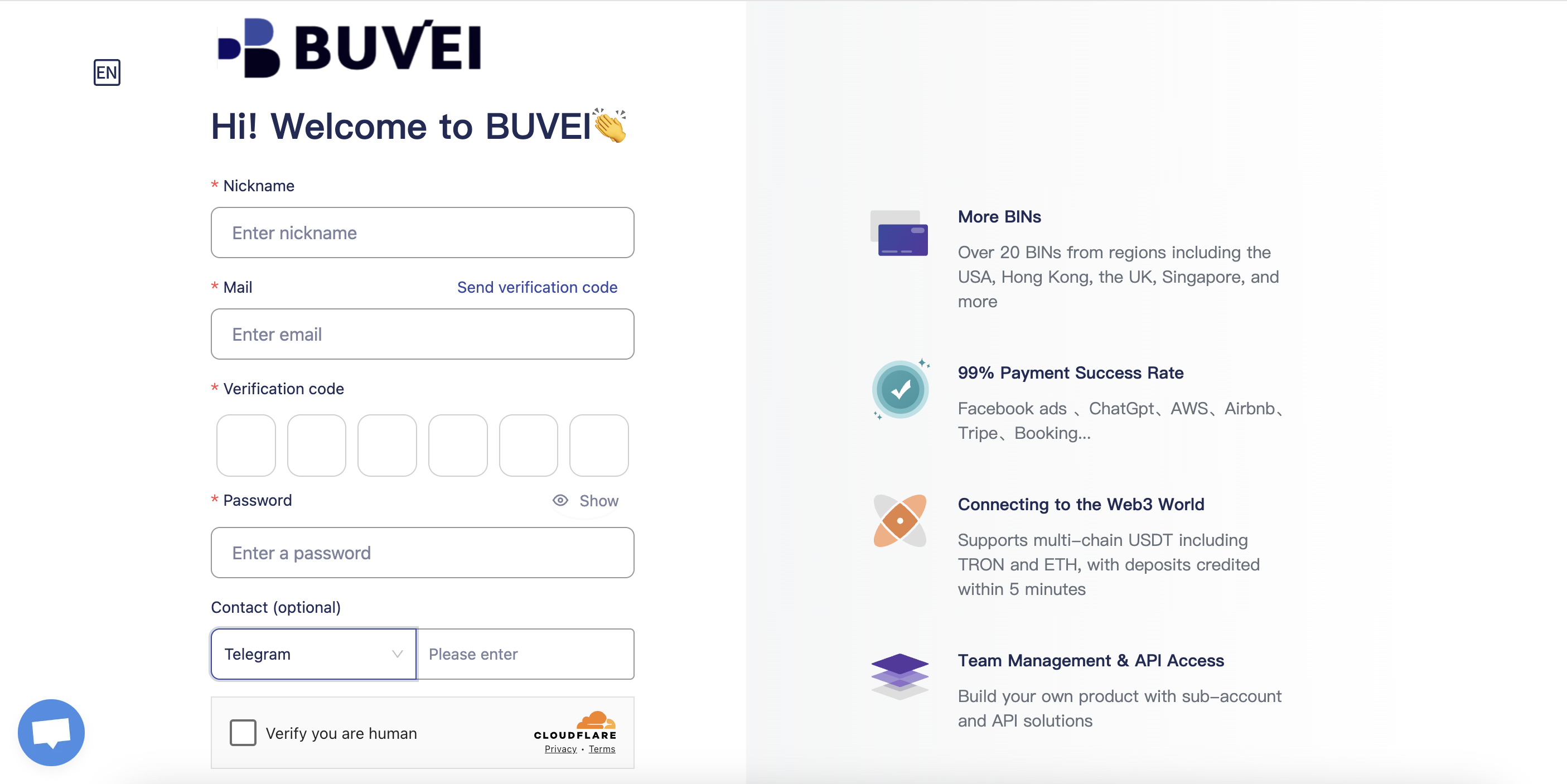
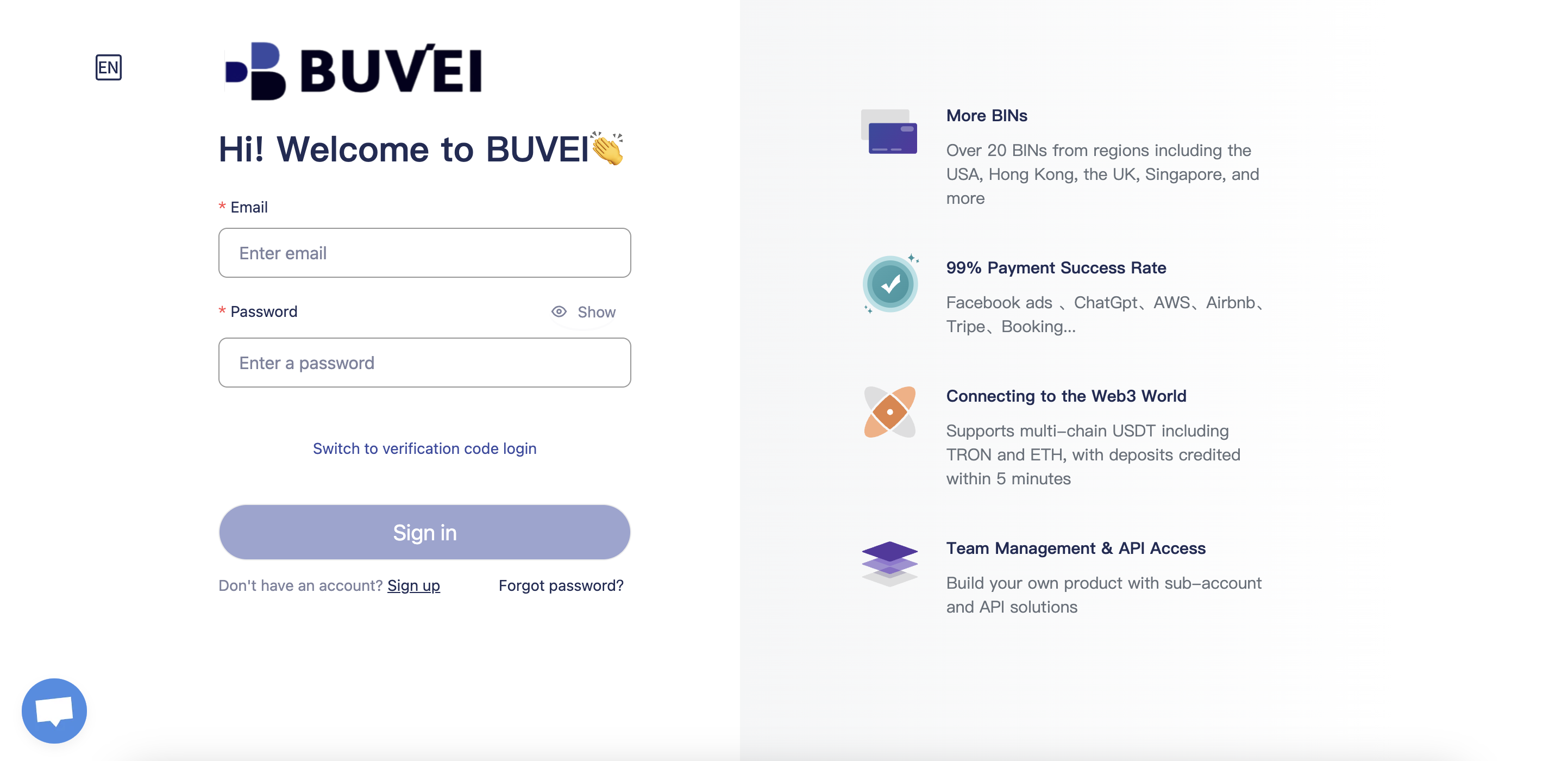
Go to Buvei, create and log in to your account
-
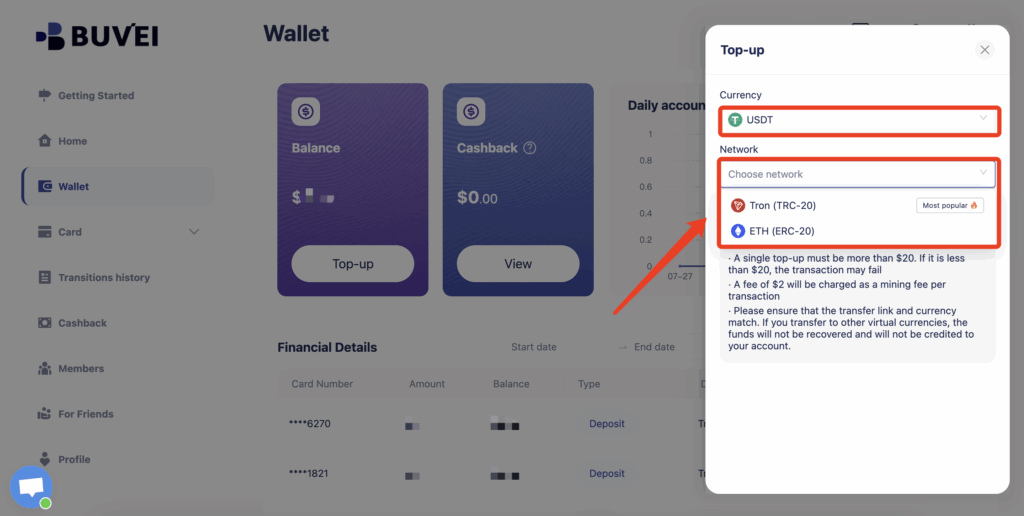
On the Wallet page, choose TRC20 or ERC20 and top up with USDT
-
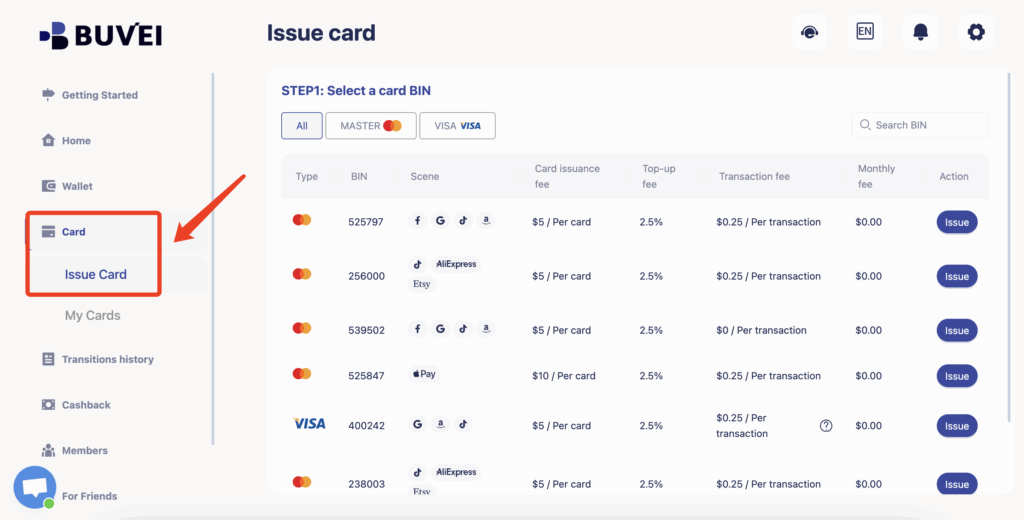
Navigate to the Cards section, select a BIN compatible with Facebook, and issue a card
-
In your Facebook Ads account, add the card as a new payment method and start running your campaigns
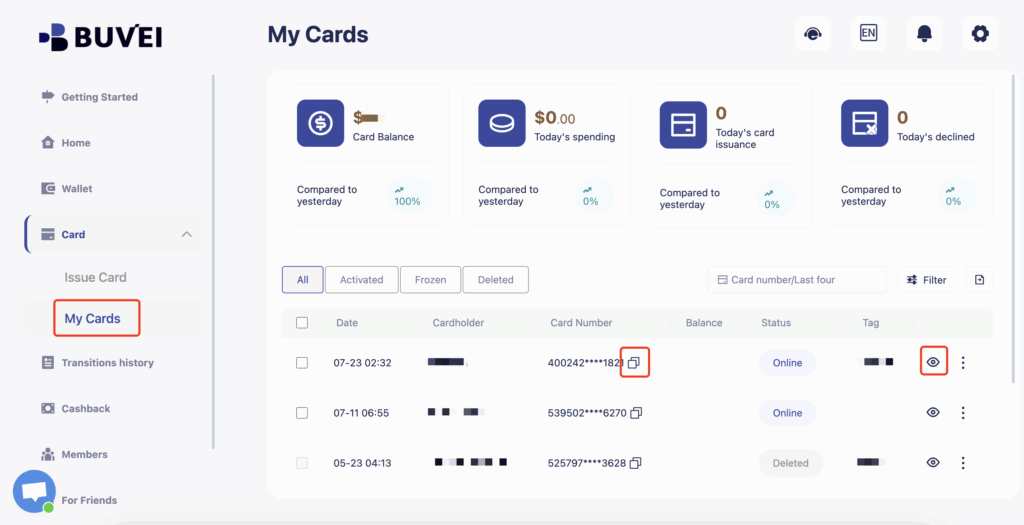
📌 Each virtual card comes with customizable limits, making it easy to cap ad spend on individual accounts.
Extra Advantages of Using Buvei Virtual Cards
| Feature | Description |
| ✅ USDT Stablecoin Top-ups | Supports TRC20/ERC20 networks for fast, low-cost, and transparent recharges |
| ✅ Multi-BIN Selection | High compatibility with Facebook, Google Ads, and other major ad platforms |
| ✅ Advanced Risk Controls | Card parameters such as spend limits, allowed countries, or merchant types are fully configurable |
Whether you're a solo advertiser or an agency managing multiple clients, Buvei offers tailored solutions to help you scale with confidence.
Why Virtual Cards Are a Must-Have for Facebook Advertisers
| Payment Method | Pros | Cons |
| Traditional Credit Card | Easy to bind, higher credit limits | Complex billing, higher risk of fraud or chargebacks |
| PayPal | Widely accepted | High fees, unstable performance, prone to account holds |
| Virtual Cards (e.g., Buvei) | Custom limits, stablecoin recharge, multi-platform support | Some platforms require specific BINs (choose wisely) |
Smarter Ad Payments Start Here
In today’s competitive ad landscape, a flexible and cost-efficient payment method can directly affect your campaign success. Virtual cards are becoming the new standard among performance advertisers—and Buvei leads the way by offering an all-in-one platform for card issuance, stablecoin top-ups, smart limits, and risk control.
Ready to take control of your ad budget? Visit https://buvei.com and start issuing virtual cards today.