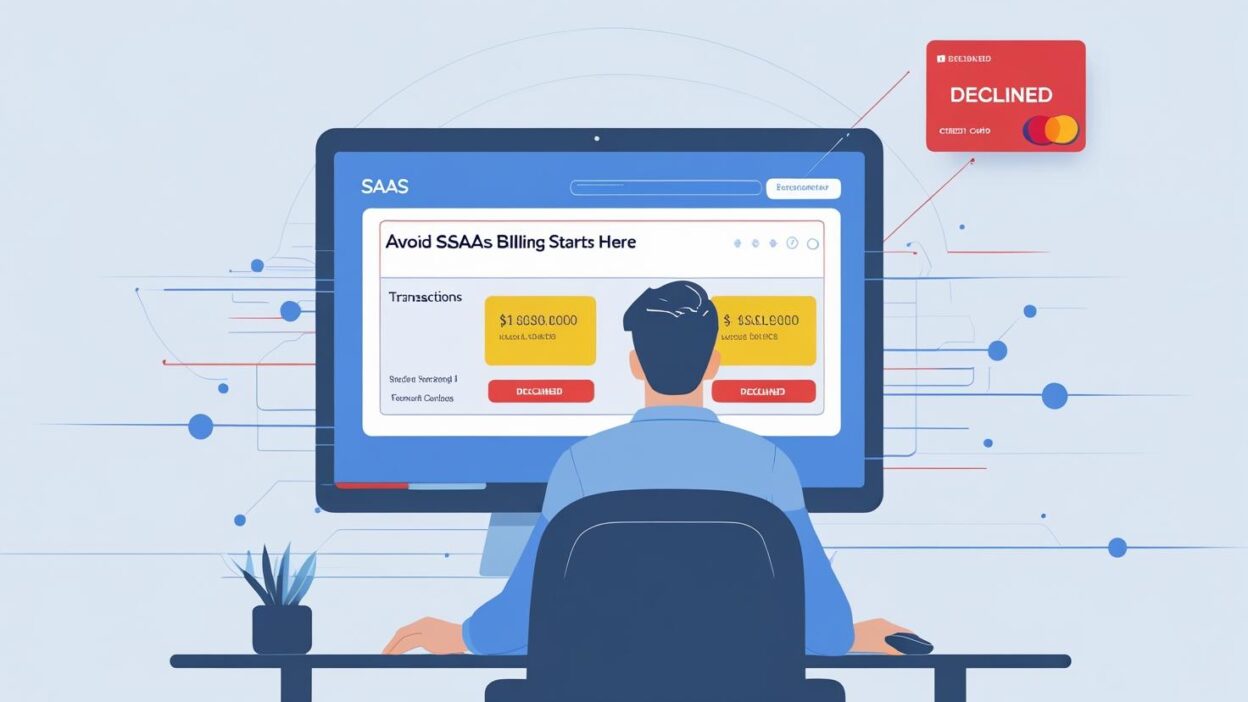
As SaaS models become the norm in digital services, subscription-based payment flows are under increasing scrutiny—especially when virtual cards are involved. Two recurring issues—duplicate charges and authorization failures—can severely impact both user experience and regulatory compliance if not properly managed.
This article breaks down the root causes, legal risks, and practical solutions to help platforms and card issuers build a more compliant and resilient payment infrastructure.
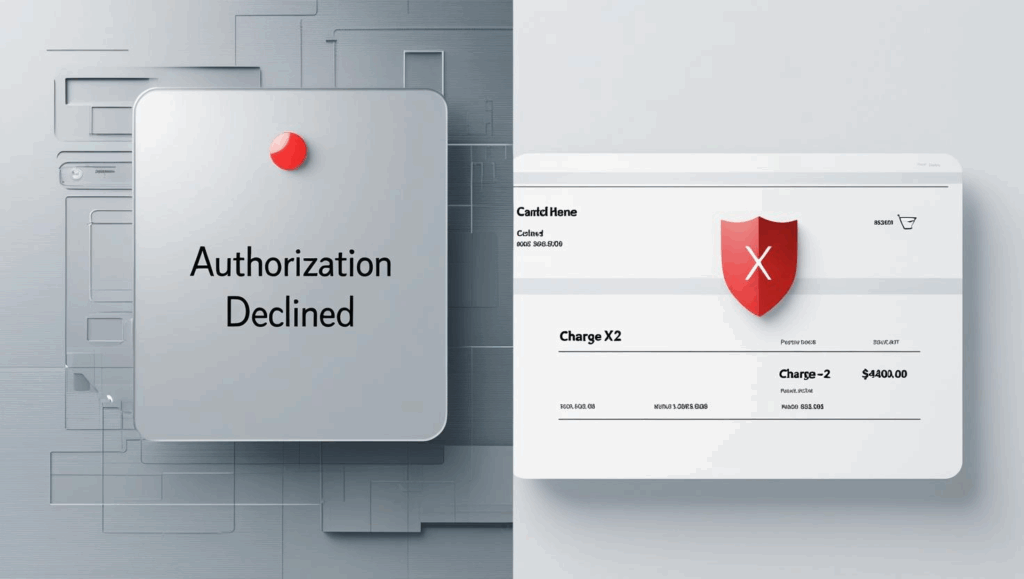
1. Duplicate Charges: The Ghost in the Machine
1.1 Common Scenarios
-
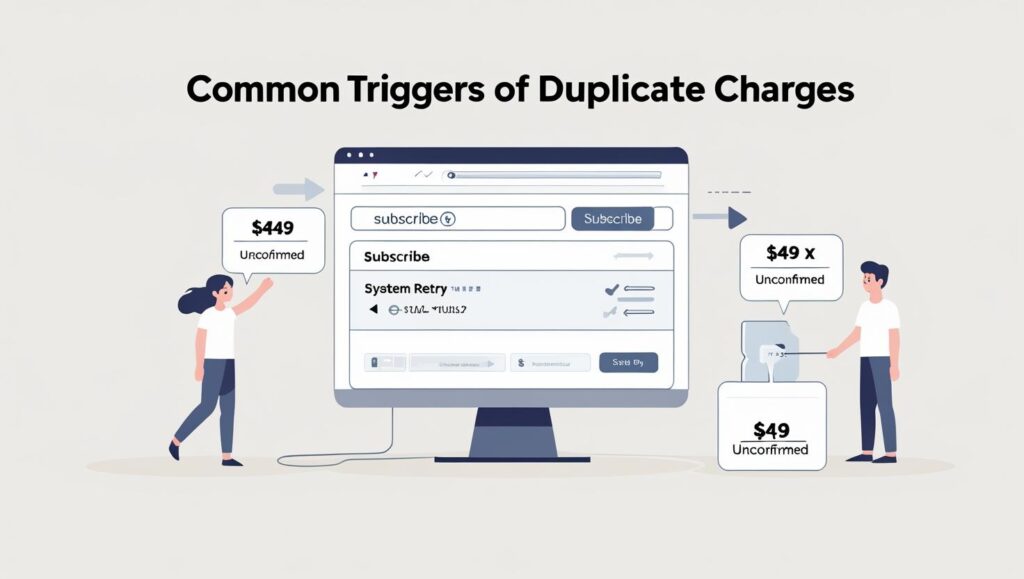
A user submits card details on a SaaS checkout page that times out or is refreshed, triggering a second charge request.
-
After a failed auto-renewal attempt, the system retries the transaction without recognizing the prior authorization is still pending.
-
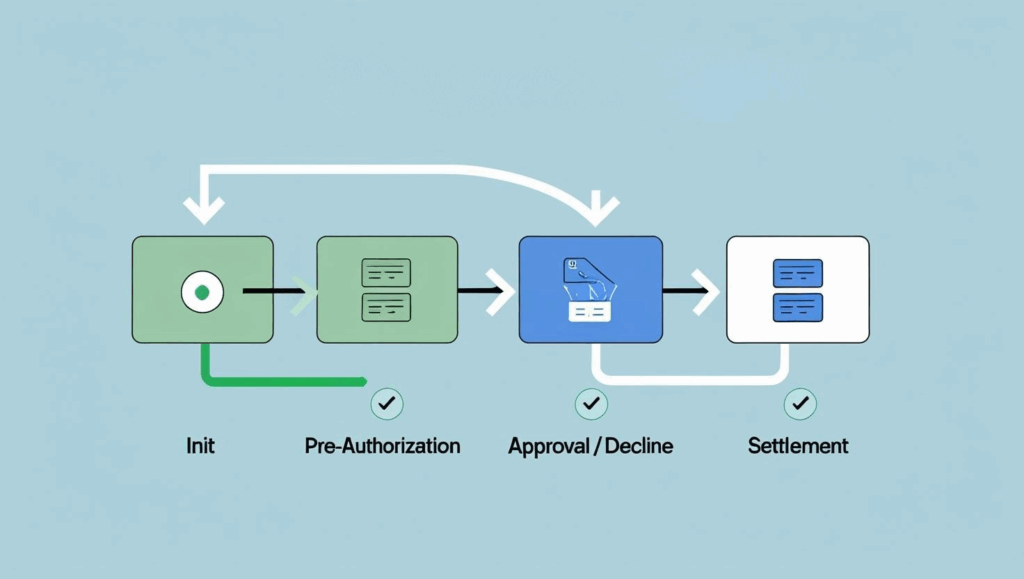
A virtual card with pre-authorization is not released promptly, and a new transaction initiates another full charge.
1.2 Compliance Impact
Under regulations like EU PSD2 and US FTC/FCRA, charging users without explicit, renewed consent may be classified as an unauthorized transaction—obligating the platform to issue refunds or initiate investigations within a reasonable time.
Moreover, if a duplicate charge occupies a user’s authorization limit or distorts the billing statement, it could breach disclosure transparency requirements.
2. Authorization Failures: Who’s Liable?
2.1 Common Causes
-
Virtual cards set with usage or spending limits (e.g., single-use cards);
-
Issuer-side fraud detection rules block legitimate transactions;
-
Merchant misconfiguration of 3DS or Strong Customer Authentication (SCA);
-
API-level timeouts or system failures during transaction processing.
2.2 Shared Responsibility Model
| Party | Area of Responsibility |
| Customer/Enterprise | Submitted a valid, authorized payment request |
| Merchant (SaaS App) | Properly handled authorization failure and retries |
| Issuer/Payment Platform | Clearly defined decline reasons and authorization logic |
| Payment Gateway | Reliable transmission and response handling |
In modern fintech, accountability is distributed. A seamless SaaS payment journey depends on every party maintaining transparent, compliant practices.
3. How to Improve Virtual Card Subscription Experiences
✅ For Virtual Card Providers
-
Enable smart retry logic to prevent duplicate authorizations;
-
Offer webhook integration for real-time transaction feedback;
-
Flag or restrict the use of single-use cards in recurring payment setups;
-
Fully support 3DS/SCA to ensure cross-border compliance.
✅ For SaaS Platforms
-
Provide clear user feedback on failed authorizations;
-
Implement a pre-authorization tracking mechanism to avoid duplicate charges;
-
Coordinate with issuers to support authorization release endpoints for failed attempts.
4. Regulatory Trends & Platform Responsibility
Across major regions like the US and EU, regulators are tightening standards for recurring billing:
-
PSD2 (EU): Mandates Strong Customer Authentication for recurring payments.
-
CCPA (California): Requires transparent consent before initiating charges.
-
Visa/Mastercard: Encourage use of Initial/Recurring indicators in authorization payloads.
This regulatory environment demands that virtual card platforms and SaaS businesses strike a balance between flexibility and compliance.
From Billing Problems to Trust Frameworks
A SaaS subscription is not just a transaction—it’s a long-term financial trust relationship. Duplicate charges and failed authorizations reflect deeper tensions between system logic, regulatory requirements, and user expectations.
At Buvei, we’re building high-control, transparent virtual card systems to help businesses minimize payment disputes and optimize SaaS billing outcomes from the ground up.
💡 Need help integrating virtual cards or auditing your subscription payment setup?