This collaboration isn’t just about deferred payment—it reflects a broader trend in the digitization of trade finance, especially for SMEs traditionally underserved by banks.
The Real Pain Point: SME Cash Flow
Many SMEs sourcing on Alibaba.com face cash flow bottlenecks, especially when dealing with large upfront supplier payments, FX exposure, and long production timelines. Traditional banks often don’t cater to this segment due to high risk or compliance costs.
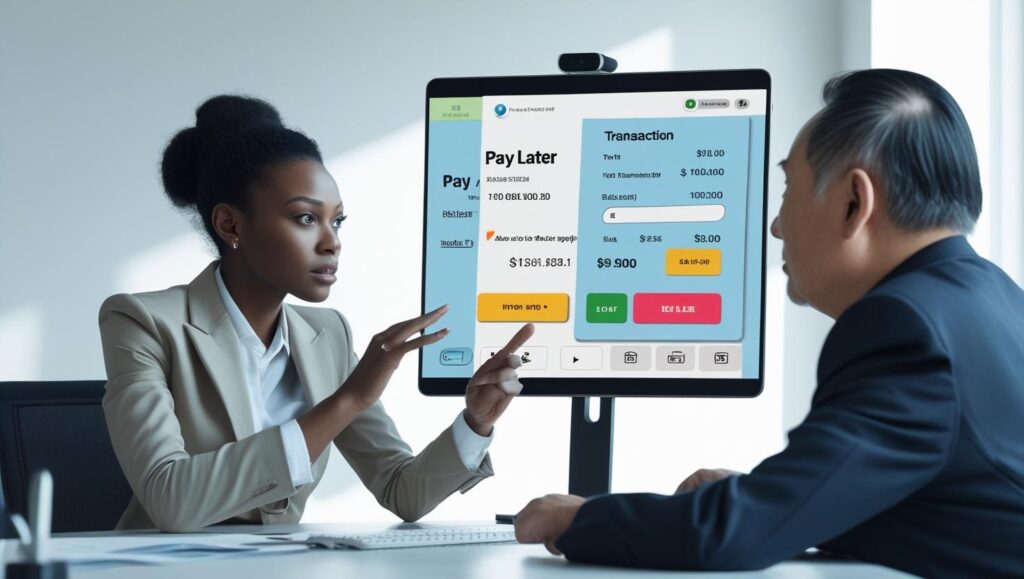
Balance solves this by offering instant net terms (e.g., Net-30, Net-60) through embedded fintech experiences, allowing SMEs to place orders with flexible credit lines—directly at checkout.
What This Means for Global B2B Payments
This model aligns with a key vision shared by platforms like Buvei: empowering SMEs with automated credit risk assessment, streamlined virtual card issuing, and real-time FX tools to lower global procurement friction.
As BNPL becomes embedded in B2B trade, virtual cards and intelligent invoice orchestration will become essential features—not optional add-ons.
🧾 Buvei's virtual payment infrastructure enables SMEs to automate recurring supplier payments, issue dedicated merchant-locked virtual cards, and centralize expense reconciliation—all in one dashboard.
Looking Ahead
As B2B marketplaces evolve, so must payment infrastructure. The Balance-Alibaba.com partnership is an early signal of this shift, and financial orchestration platforms like Buvei are poised to lead in providing secure, flexible, and globally interoperable payment rails for modern businesses.