Online shopping has become part of daily life.
People now pay online for:
- subscriptions
- software
- gaming
- AI tools
- travel bookings
- digital services
- international marketplaces
But as online spending increases, so do concerns about:
- payment fraud
- stolen card information
- hidden subscription renewals
- merchant data leaks
That’s why temporary virtual cards are becoming increasingly popular among online shoppers.
Instead of exposing a primary bank card everywhere online, users can create disposable or temporary virtual cards specifically for certain purchases.
This adds an extra layer of protection while giving users more control over spending.
In this guide, we’ll explain:
- what temporary virtual cards are
- how they work
- how to use them for safer online shopping
- and how platforms like Buvei simplify secure payments.
What Are Temporary Virtual Cards?
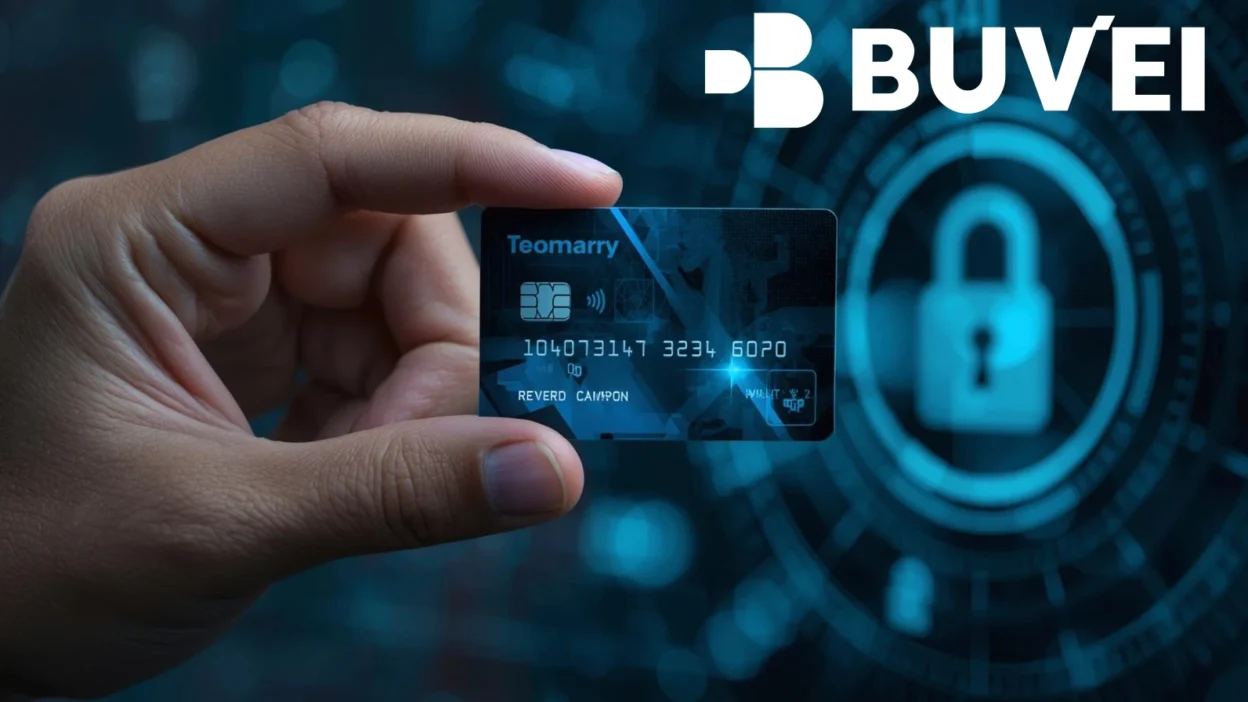
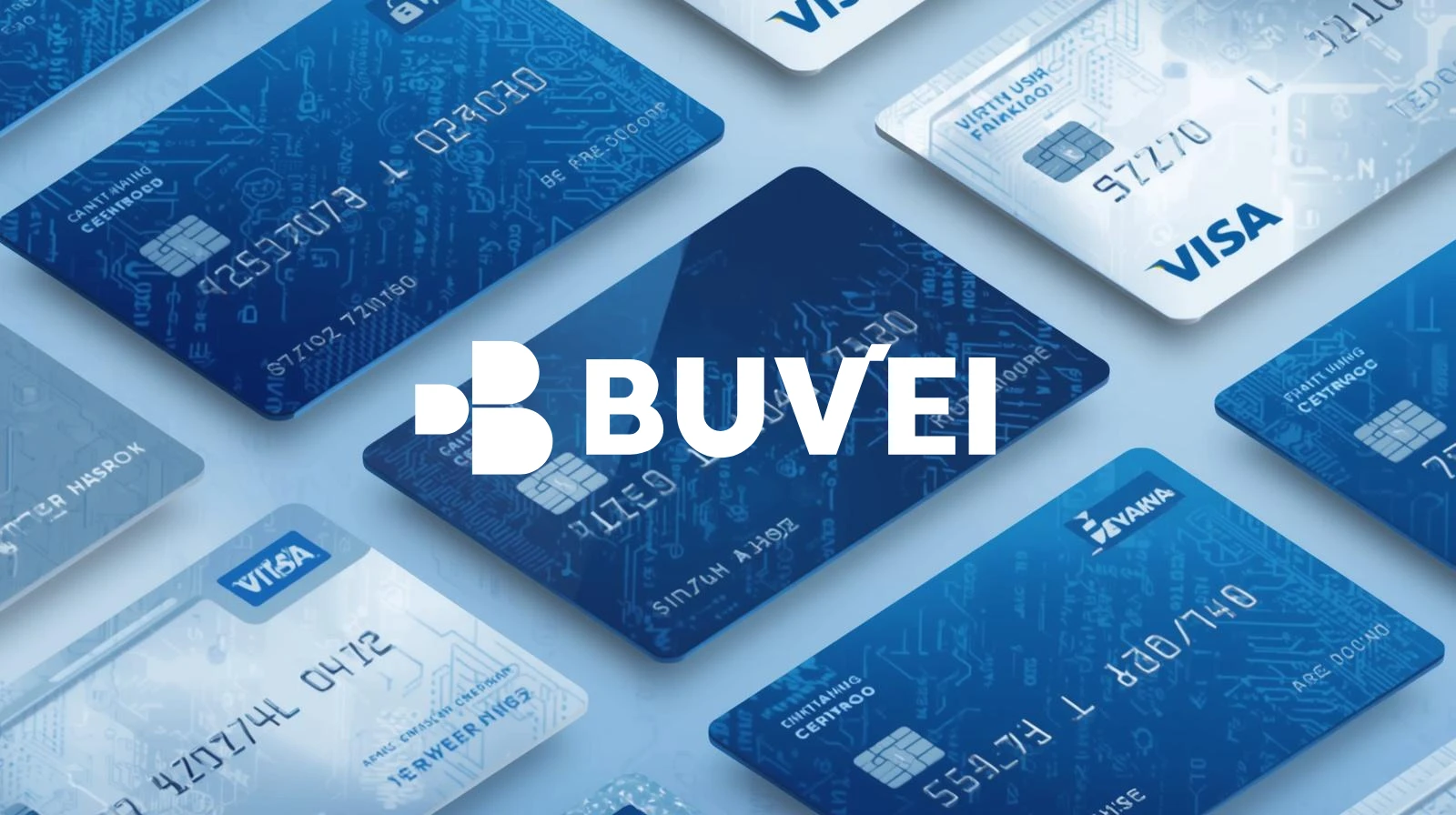
A temporary virtual card is a digital payment card designed for short-term or controlled use.
Unlike traditional physical bank cards, virtual cards exist entirely online.
They usually include:
- card number
- expiry date
- CVV security code
just like a normal Visa or Mastercard.
Designed for controlled payments
Temporary cards are often used for:
- one-time purchases
- trial subscriptions
- unknown merchants
- high-risk online stores
- international payments
Instead of reusing the same bank card repeatedly, users can generate separate cards for specific transactions.
Some cards are single-use
Depending on the provider, temporary cards may:
- expire automatically
- lock after one transaction
- support custom limits
- work only for certain merchants
This dramatically reduces payment risk.
Virtual cards are now mainstream
Temporary virtual cards were once mostly used by:
- businesses
- advertisers
- developers
But today they are increasingly common among everyday users because online fraud risks continue rising.
Benefits: Privacy and Fraud Prevention
The biggest reason people use temporary virtual cards is security.
Traditional cards expose the same payment information repeatedly across different websites.
That creates risk.
Reduced exposure of real banking information
With temporary virtual cards:
- your primary bank account stays hidden
- merchants never see your real card
- compromised cards can simply be deleted
This reduces the impact of:
- database breaches
- phishing scams
- fraudulent merchants
Better protection against stolen card data
If a merchant suffers a security leak, attackers may only gain access to:
- a temporary card
- a limited balance
- an already expired card
instead of your primary financial account.
That makes temporary cards highly effective for fraud prevention.
Safer for international shopping
Cross-border shopping sometimes involves:
- unfamiliar merchants
- overseas payment processors
- higher fraud risks
Temporary virtual cards help isolate those risks.
Better privacy for online purchases
Some users prefer not to connect their personal banking cards directly to:
- free trials
- online subscriptions
- smaller online stores
- digital marketplaces
Temporary cards create an additional privacy layer.

Creating Temporary Cards on the Buvei Platform
Modern virtual card platforms make temporary card creation much easier than before.
Buvei focuses heavily on:
- instant issuing
- online payments
- subscription management
- global merchant compatibility
which makes it useful for digital shoppers.
Instant virtual card generation
Users can create cards within minutes instead of waiting for physical delivery.
This is especially useful for:
- urgent purchases
- trial accounts
- quick online transactions
Multiple cards for different purposes
Instead of using one card everywhere, users can create separate cards for:
- shopping
- SaaS subscriptions
- AI tools
- gaming
- advertising accounts
- travel bookings
This improves spending organization and security.
Easy card management
Virtual card dashboards usually allow users to:
- freeze cards
- delete unused cards
- monitor transactions
- create new cards instantly
This level of control is difficult with traditional bank cards.
Flexible funding methods
Many modern virtual card providers support:
- bank transfers
- crypto top-ups
- digital wallet funding
making international access easier.
Setting Spending Limits and Expiry Dates
One of the strongest advantages of temporary virtual cards is payment control.
Traditional debit or credit cards often provide very limited spending customization.
Virtual cards change that.
Custom spending limits
Users can set:
- daily limits
- monthly limits
- transaction caps
- merchant-specific controls
This helps reduce accidental overspending.
Automatic expiration
Temporary cards can be configured to:
- expire after one purchase
- expire after several days
- work only during a limited period
This is extremely useful for:
- free trials
- short-term subscriptions
- travel bookings
Improved budget management
Separate virtual cards also help users:
- track expenses by category
- isolate business spending
- manage subscription costs
without mixing everything onto one bank statement.
Better protection for team spending
Businesses and agencies often use temporary virtual cards for:
- employee purchases
- media buying
- software subscriptions
because limits reduce operational risk.
Avoiding Unwanted Subscription Charges
Recurring billing is one of the biggest reasons users adopt temporary virtual cards.
Many subscription services make cancellation difficult or unclear.
Trial subscriptions often auto-renew
Free trials commonly convert into paid subscriptions automatically.
Users sometimes forget to:
- cancel on time
- remove payment methods
- disable renewals
which results in unexpected charges.
Temporary cards reduce recurring billing risk
With virtual cards, users can:
- create dedicated subscription cards
- limit balances
- disable cards anytime
If a service attempts to rebill unexpectedly, the charge may simply fail.
Better control for SaaS and AI tools
This has become increasingly important for:
- AI subscriptions
- SaaS platforms
- cloud services
- creator tools
where monthly billing is now extremely common.
Separate cards simplify subscription management
Using individual cards for separate subscriptions makes it easier to:
- identify charges
- cancel services
- control budgets
- avoid hidden renewals
without affecting other payment accounts.
Common Use Cases for Temporary Virtual Cards
Temporary cards are useful in many online payment scenarios.
Online shopping
For:
- unknown websites
- limited-time purchases
- international stores
temporary cards reduce risk exposure.
Streaming and subscriptions
Users frequently use virtual cards for:
- Netflix
- Spotify
- AI tools
- SaaS platforms
to manage recurring billing.
Advertising payments
Media buyers often create separate cards for:
- Google Ads
- Meta Ads
- TikTok Ads
- AI advertising platforms
to isolate campaigns and budgets.
Travel bookings
Temporary virtual cards can also help with:
- hotel bookings
- airline tickets
- travel websites
especially during international travel.
Why Virtual Cards Are Becoming More Popular
The shift toward digital payments continues accelerating.
At the same time:
- fraud risks are rising
- subscriptions are multiplying
- global online shopping is expanding
Users increasingly want more control over payments.
Traditional cards were not built for modern online behavior
Physical cards were designed primarily for:
- retail purchases
- ATM usage
- local banking
Modern internet payments require:
- flexibility
- instant control
- temporary usage
- multi-card management
Virtual cards solve many of those problems.
Security and convenience now matter equally
Consumers no longer want security at the cost of convenience.
Temporary virtual cards provide:
- fast setup
- stronger privacy
- spending control
- flexible payment management
all while remaining easy to use.
Conclusion
Temporary virtual cards have become one of the simplest ways to improve online payment security.
They help users:
- reduce fraud exposure
- protect banking information
- avoid unwanted subscriptions
- manage online spending more efficiently
Compared to traditional payment cards, temporary virtual cards provide far more flexibility for modern digital payments.
For users shopping online regularly, especially across:
- SaaS platforms
- AI tools
- international services
- subscription ecosystems
virtual cards are increasingly becoming a practical security tool rather than just an optional feature.
Platforms like Buvei make it easier to create and manage temporary virtual cards designed specifically for secure online shopping and controlled digital payments.