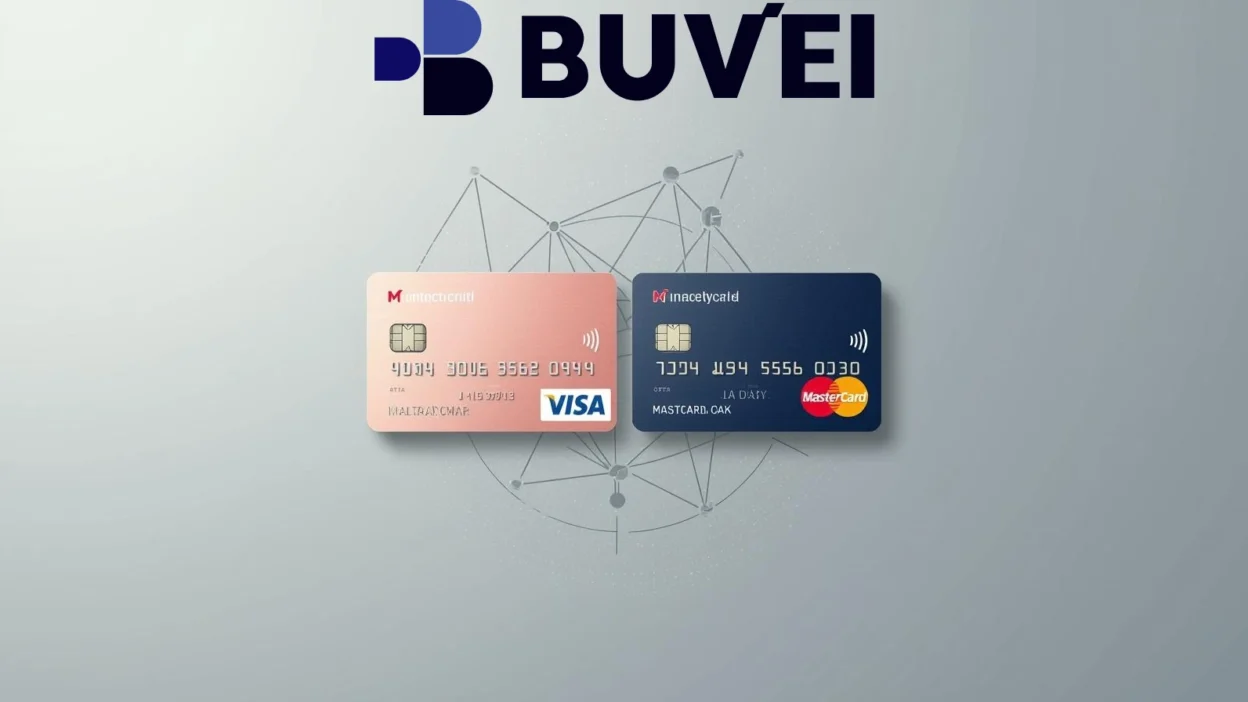
By April 2026, the global value of virtual card transactions has reached a staggering $6.8 trillion. Visa and Mastercard do not issue cards themselves; they provide the financial rails and tokenization standards (EMVCo v2.4) that allow banks and fintechs to issue virtual credentials.
-
Visa Virtual Cards: Generally favored for their massive scale, handling roughly 3x the transaction volume of Mastercard globally. They are the "safe bet" for high-uptime requirements.
-
Mastercard Virtual Cards: Often viewed as the "innovation rail," with aggressive investments in AI-driven fraud prevention and real-time money movement through Mastercard Send.
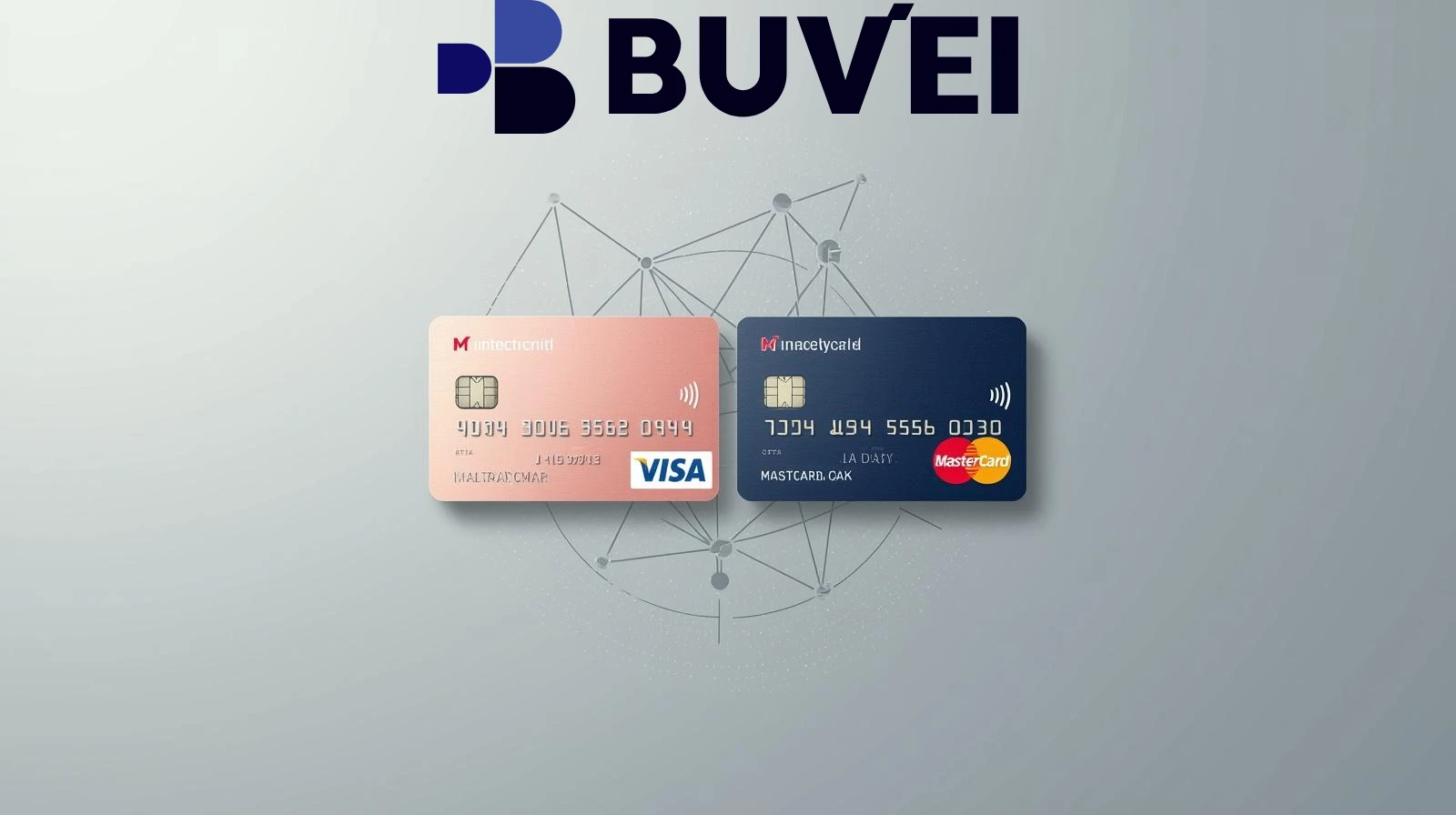 Key Differences: Acceptance, Fees, and Global Coverage
The "BIN Authority" Factor
In 2026, merchant risk engines (like Stripe Radar) categorize cards by their first 8 digits.
-
Visa: Known for having a broader pool of Commercial Credit BINs, which are historically less likely to be auto-declined by "Zero-Trust" ad platforms.
-
Mastercard: Excels in SME (Small-Medium Enterprise) BINs, often used by neo-banks like Revolut and Wise to offer flexible limits.

Performance in Specific Use Cases
I. Digital Advertising (Meta, Google, TikTok)
For media buyers managing thousands of accounts, the BIN Reputation is the primary metric.
-
Mastercard Strategy: Often has higher acceptance for European-targeted ad accounts. Its acquisition of Minna Technologies in 2024 has led to superior digital subscription management tools.
-
Visa Strategy: Preferred for US-based high-limit spend. Visa's "Passkey Service" allows for biometric verification without passwords, reducing the "checkout friction" that often causes ad-buy failures.
II. SaaS and Enterprise Procurement
-
Mastercard Advantage: Offers richer transaction data. When a virtual card is used, Mastercard can transmit invoice numbers and cost-center data more effectively, aiding in automated reconciliation.
-
Visa Advantage: Extensive travel and purchase protections built into higher-tier virtual commercial cards (Signature/Infinite), making it the preferred rail for executive T&E (Travel & Expense).
III. Global Subscription Management
"Passive Churn" (failed renewals) is a billion-dollar problem in 2026.
-
Mastercard: Uses AI technology that has doubled the speed at which compromised cards are detected, reducing the time your subscriptions spend in a "frozen" state during fraud checks.
-
Visa: Its massive scale ensures that if a network outage occurs, Visa’s redundant "Visa Universe" rails are often the last to go offline.
When to Choose Visa vs. Mastercard
Choose Visa Virtual Cards When:
-
Reliability is the only priority: You need the rail that processes the highest volume of global traffic with the fewest "Soft Declines."
-
US-Centric Spending: You are primarily dealing with North American vendors who prioritize Visa’s legacy credit infrastructure.
-
Travel-Heavy Ops: You require the travel insurance and roadside assistance perks often bundled into Visa's virtual commercial tiers.
Choose Mastercard Virtual Cards When:
-
Cross-Border E-commerce: You need the slight (~0.1%) edge in FX rates for high-velocity international procurement.
-
Advanced Data Analytics: You need to pass cost-center and invoice metadata through the card's API for accounting automation.
-
Lifestyle & Subscription Perks: You want to leverage Mastercard’s 2026 partnerships with platforms like Instacart, Lyft, and Amazon.
 Summary: The Issuer Matters More than the Rail
In April 2026, the technical gap between Visa and Mastercard is narrower than ever. For most industrial users, the card issuer (e.g., Ramp, Wise, Mercury) dictates the fees and limits, while the network (Visa/Mastercard) dictates the acceptance logic.
Pro Tip: For maximum "Financial Uptime," high-volume agencies should maintain a hybrid treasury—holding a mix of Visa and Mastercard virtual cards to hedge against network-specific BIN blocks.