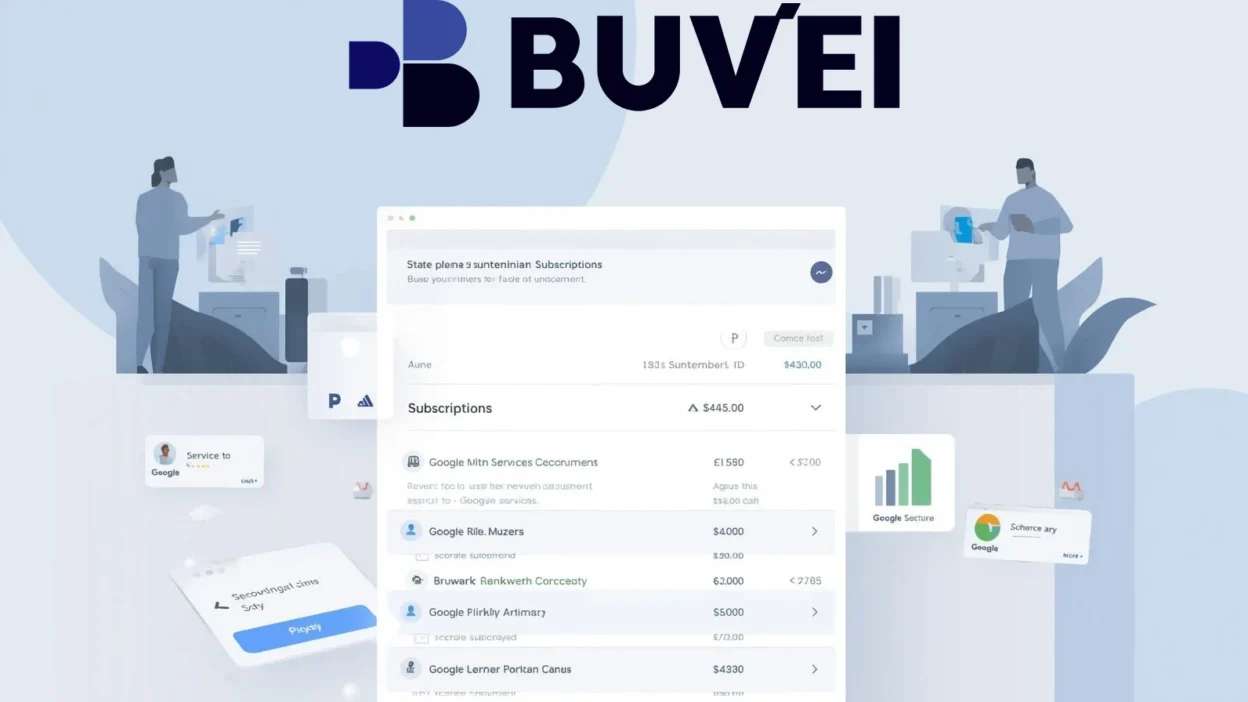
In 2026, Google has successfully integrated almost every aspect of digital life—from Google Workspace for enterprises and Google Cloud Platform (GCP) for developers, to YouTube Premium and Google One for consumers. However, as the ecosystem expands, so does the complexity of its billing architecture. Google’s automated "Risk Engines" are among the most sophisticated in the world, often leading to account suspensions due to minor payment inconsistencies. This whitepaper analyzes the mechanics of Google’s billing cycles and explains why high-authority virtual cards from platforms like Buvei are the essential tool for maintaining "Financial Uptime" in the Google ecosystem.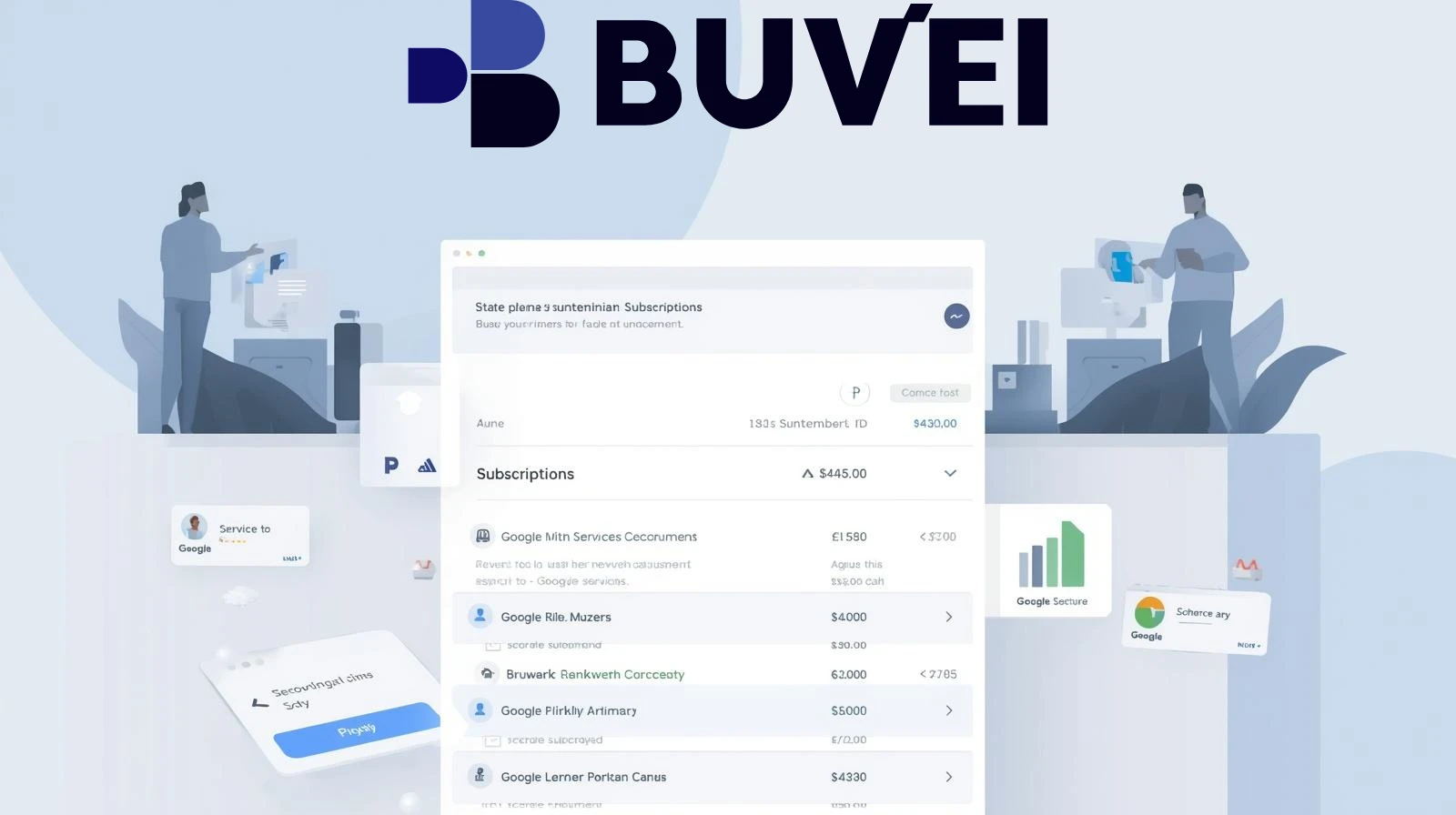
What Are Google Subscriptions and How Billing Works
Google’s billing model in 2026 is built on High-Frequency Tokenization and Automated Clearing. Understanding the "Back-End" of how Google pulls funds is critical for any user.
The Tiered Billing Structure
Google utilizes different billing behaviors based on the service category:
-
Post-Pay (GCP & Ads): Google Cloud and Ads typically bill in arrears. They set a "Billing Threshold." Once your spend reaches a certain amount (e.g., $500), Google attempts an immediate charge. If this fails, your services—and often your entire project—are paused instantly.
-
Pre-Pay (Workspace & YouTube): These are standard monthly or annual recurring charges. Google typically attempts a "Soft Auth" 24 hours before the renewal date to ensure the card is still valid.
The "Primary & Backup" Hierarchy
Google’s billing interface allows for a hierarchy of cards. In 2026, the system is designed to "Failover." If your primary virtual card is frozen or lacks funds, Google will immediately attempt to charge your "Backup" method. This is why Isolation via virtual cards is so vital—it prevents Google from reaching into your personal or main business accounts during a billing dispute.
Common Issues with Google Subscription Payments
Google’s fraud prevention tool, often integrated with Google Pay, is notorious for its "Guilty Until Proven Innocent" approach.
The "Suspicious Activity" Lock
The most dreaded issue in 2026 is the "Suspicious Activity" flag. This often happens if:
-
BIN Inconsistency: You use a non-US card for a US-registered Google account.
-
Velocity Triggers: You attempt to pay for multiple Google accounts using the same physical card number. Google’s bots view this as "Card Farming" and may suspend all linked accounts simultaneously.
AVS and 3D Secure 2.0 Failures
Google requires strict Address Verification System (AVS) matching. If the billing address on your card does not precisely match the business address in your Google Admin console, the transaction will be declined with an "Error OR-CCSEH-05" or similar code. Furthermore, legacy virtual cards that do not support 3DS2.2 biometric authentication are increasingly rejected for high-value Google Cloud payments.
How Virtual Cards Help Manage and Control Billing
Virtual cards act as a Security Buffer between your treasury and Google’s automated billing bots.
Financial Compartmentalization (The 1:1 Rule)
The gold standard for 2026 is to assign a unique virtual card to every Google service.
-
Workspace Card: Dedicated to your corporate email and drive storage.
-
Ads Card: Dedicated to your marketing spend, with a hard daily cap to prevent "Budget Overruns."
-
YouTube Card: A low-limit card for personal entertainment. This ensures that a billing failure on a $15 YouTube subscription does not trigger a risk-flag that shuts down your $5,000-a-month Google Ads account.
Programmable Spending Caps and "Hard Stops"
Unlike physical cards, virtual cards allow you to set Transactional Hard Stops. If you are testing a new API on Google Cloud, you can set a virtual card limit of exactly $100. If a coding error leads to a $5,000 "Bill Shock," the transaction will be declined by the card issuer, protecting your bank account from Google’s automated collection.
Steps to Use Virtual Cards for Google Subscriptions
Implementing this system requires a strategic approach to ensure Google’s bots accept the new payment method.
Preparing the "Financial Identity"
Before adding a card to Google:
-
Step 1: Match the Geo-Data. Ensure your virtual card provider allows you to set a billing address in the same country as your Google account region.
-
Step 2: Fund the Token. Always ensure the virtual card has at least $10-$50 above the subscription price during the "Add Card" phase to pass Google's temporary verification "pings."
Managing the Handshake
When adding a Buvei card to Google Pay:
-
Enter the 16-digit PAN and CVV.
-
Use the specific US Billing Address provided by the Buvei dashboard.
-
Once accepted, set this card as the "Primary" and delete any physical bank cards from the "Backup" slot to ensure total isolation.
Using Buvei Virtual Cards for Subscription Management
Buvei is engineered for 2026’s high-stakes digital environments, offering technical advantages that consumer banks cannot replicate.
High-Authority Business BINs
Google’s risk engine is far more likely to accept "Business Commercial" cards than "Consumer Prepaid" cards. Buvei provides high-authority US BINs that are whitelisted in Google’s payment database, ensuring higher success rates for recurring billing.
Real-Time Webhooks and API Control
For agencies managing Google Ads for dozens of clients, Buvei’s API allows for Automated Lifecycle Management.
-
Instant Provisioning: Create a new card for every new client account via the API.
-
Real-Time Alerts: Receive a push notification the micro-second Google attempts a charge, allowing you to monitor spend across a massive organization from a single dashboard.
-
Hybrid Funding: Fund your Google Ads cards using Stablecoins or SEPA/ACH, providing the liquidity speed needed to keep ads running 24/7.
 Final Thoughts: The Future of Cloud Governance
In 2026, managing Google subscriptions is a core component of "Operational Security." As Google’s AI risk models become more aggressive, the only way to ensure uninterrupted service is to use a payment layer that is as sophisticated as the services it pays for. By utilizing the Buvei Virtual Card infrastructure, users gain the transparency, control, and BIN authority needed to navigate the world’s most complex digital ecosystem with absolute confidence.