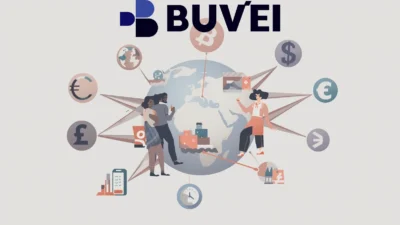
The Netherlands has a well-developed digital payment ecosystem, with consumers widely using local and international payment methods.
One of the most popular systems is iDEAL, which allows users to pay directly from their bank accounts. It is commonly used for domestic e-commerce transactions.
While these methods work well locally, they may not always be ideal for international payments or subscriptions, which is where virtual cards become more relevant.
Why Users Choose Virtual Cards for Global Payments
As Dutch users increasingly access international platforms, virtual cards are becoming a preferred payment option.
Key reasons include:
Better Compatibility with Global Services
Virtual cards are widely accepted on international platforms, including SaaS tools and subscription services.
Improved Payment Flexibility
Users can create cards instantly and use them without waiting for physical delivery.
Enhanced Security
Virtual cards reduce the need to share primary bank card details across multiple websites.
Support for Recurring Payments
They are well-suited for subscription-based platforms that require automatic billing.
For users in the Netherlands who frequently shop or subscribe internationally, virtual cards provide added convenience.
Features of a Good Virtual Card Platform in Europe
When choosing a virtual card provider in the Netherlands or across Europe, users should look for key features that ensure reliability and usability.
EU Payment Compatibility
The platform should support payments within the European Economic Area and comply with regional standards.
Multi-Currency Support
The ability to pay in EUR, USD, and other currencies is essential for cross-border transactions.
Users should be able to generate and use cards immediately.
Spending Controls
Features like transaction limits and card freezing help manage budgets.
Strong Security Measures
Fraud detection and secure transaction processing are critical for safe online payments.
These features help ensure a smooth payment experience across both local and global platforms.
Use Cases: Subscriptions, Travel, and Online Shopping
Virtual cards are highly versatile and can be used for a variety of everyday and business transactions in the Netherlands.
Subscriptions
Users can pay for streaming services, SaaS tools, and digital platforms with recurring billing.
Travel Bookings
Virtual cards can be used for booking flights, hotels, and transportation services online.
Online Shopping
They provide a secure way to shop on international e-commerce platforms.
Business and Freelance Expenses
Freelancers and remote workers can use virtual cards to manage tools and service payments.
These use cases highlight how virtual cards fit into modern digital lifestyles.
Why Buvei Virtual Cards Are Suitable for EU Users
For users in the Netherlands and across Europe, Buvei offers virtual cards designed for international online payments.
Key advantages include:
Global Merchant Acceptance
Cards are compatible with many international platforms and services.
Instant Card Creation
Users can generate cards quickly for different payment needs.
Flexible Spending Controls
Budgets can be managed by assigning limits to each card.
Multi-Card Management
Multiple cards can be used for subscriptions, shopping, or business expenses.
Secure Transactions
Virtual cards help protect primary financial information during online payments.
These features make Buvei a practical solution for Dutch users who need flexible and secure payment options.
 Final Thoughts
While the Netherlands has strong local payment systems like iDEAL, the growing demand for international services has increased the need for more flexible payment solutions.
Virtual cards provide a secure and convenient way to handle global transactions, manage subscriptions, and control online spending.
With solutions like Buvei, users in the Netherlands can enjoy better access to international platforms while maintaining security and financial control in 2026.