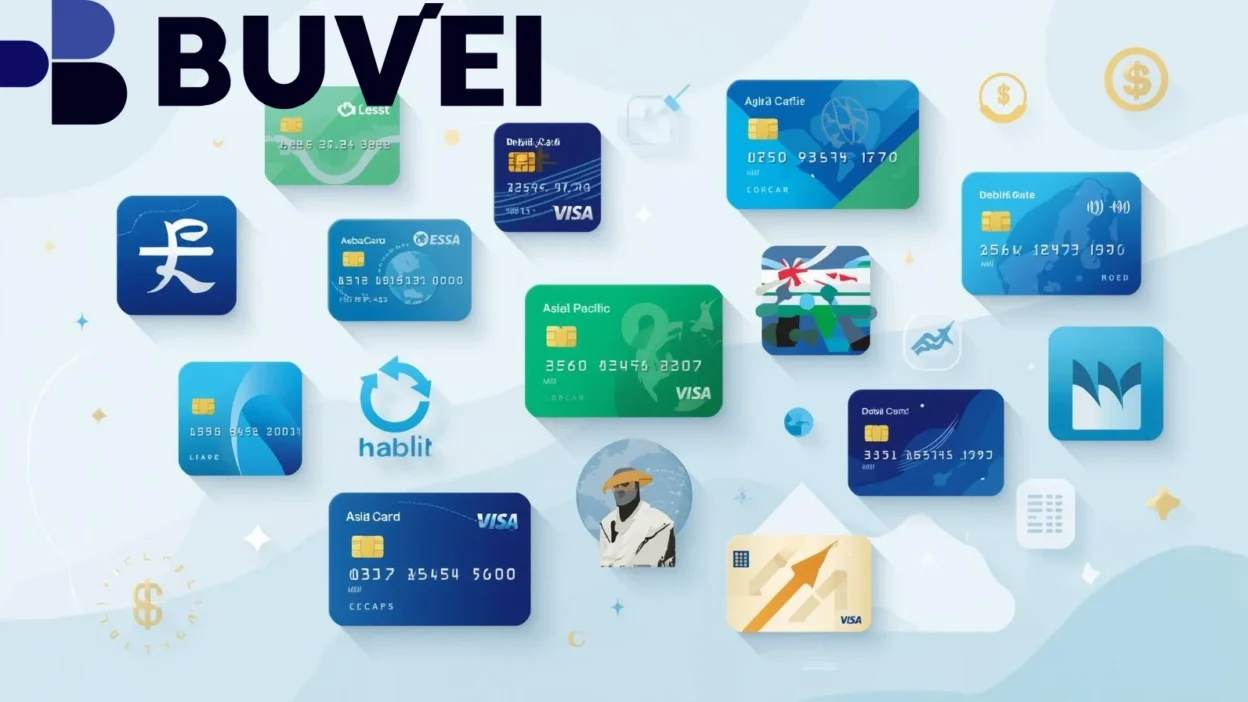
The Asia-Pacific (APAC) region has become one of the fastest-growing digital economies in the world. With the rapid expansion of e-commerce, online services, and digital platforms, reliable online payment solutions are more important than ever. Many users and businesses across APAC are turning to virtual cards as a flexible way to handle international transactions, subscriptions, and digital services.
This guide explores online payment trends in the Asia-Pacific region, why virtual cards are gaining popularity, and how solutions like buvei virtual cards can support users across the region.
 Online Payment Trends in the Asia-Pacific Region
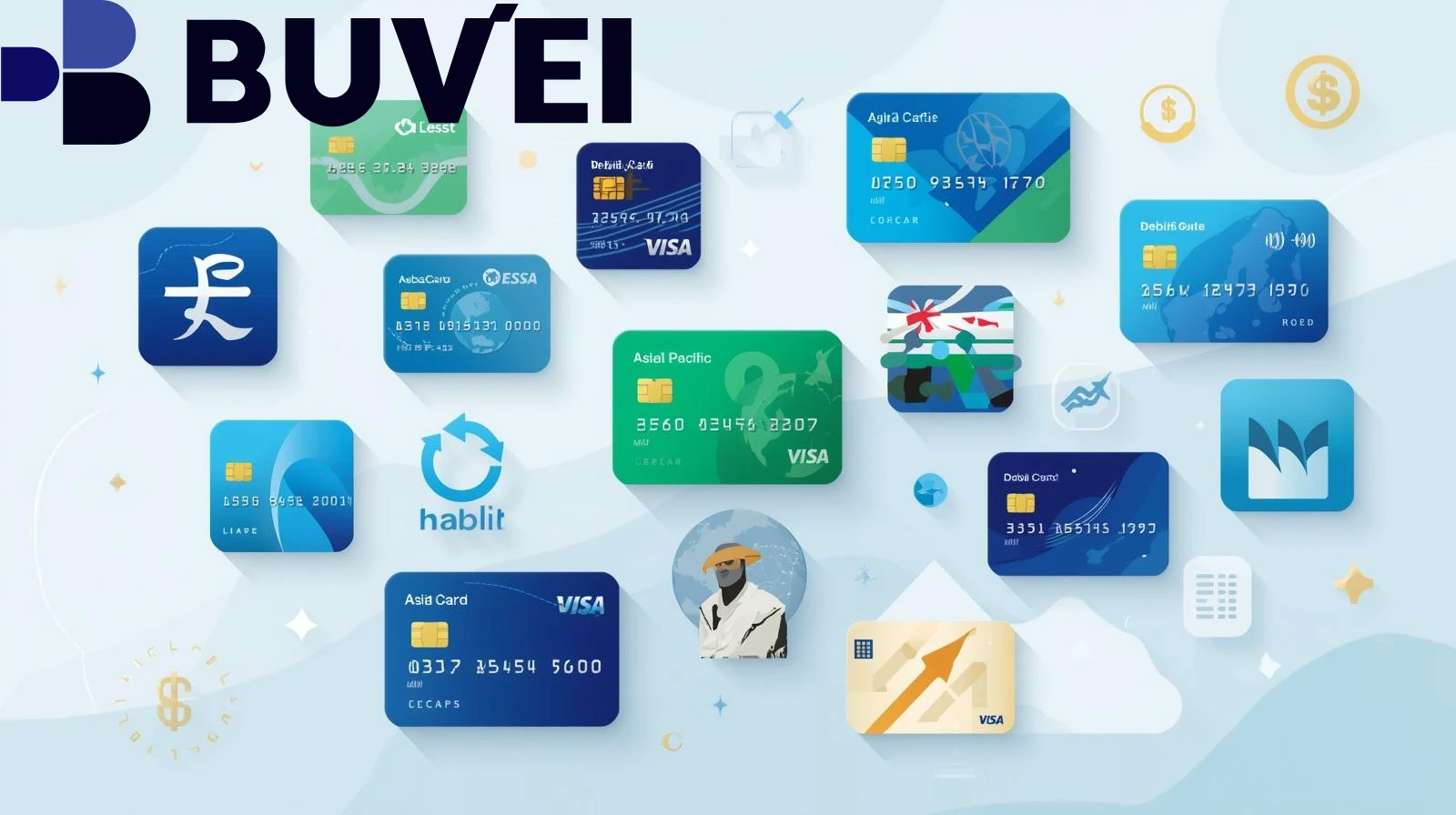
The Asia-Pacific region includes some of the world’s most active digital markets, including Singapore, Japan, South Korea, India, and Australia. These countries have seen strong growth in online payments driven by increasing internet penetration and mobile usage.
Several trends are shaping the APAC payment landscape:
-
Rapid growth of e-commerce platforms
-
Expansion of mobile wallets and digital banking
-
Increasing demand for cross-border payment solutions
-
Growing adoption of subscription-based digital services
Businesses and freelancers operating across multiple countries often require payment tools that can support global platforms and multiple currencies. Virtual cards have become a practical solution for these needs.
Why Virtual Cards Are Growing in APAC Markets
Virtual cards are becoming increasingly popular across APAC because they offer advantages that traditional payment methods may not provide.
Instant Issuance
Virtual cards can be created instantly, allowing users to start making online payments without waiting for a physical card.
Global Payment Compatibility
Many digital platforms and SaaS services charge in USD or other international currencies. Virtual cards often support cross-border payments, making them suitable for international transactions.
Better Payment Control
Users can create multiple cards for different purposes, such as subscriptions, advertising campaigns, or online shopping.
Improved Security
Because virtual cards can be locked, replaced, or deleted instantly, they help reduce the risks associated with online fraud.
Key Features APAC Users Should Look For
When choosing a virtual card provider in the Asia-Pacific region, users should consider several important features.
Multi-Currency Support
Since many APAC users interact with international platforms, virtual cards that support multiple currencies can help reduce conversion costs.
Wide Merchant Acceptance
A reliable virtual card should work on major global platforms such as Google Ads, Facebook Ads, and Amazon.
Spending Controls
Being able to set spending limits helps users manage budgets for subscriptions or advertising campaigns.
Easy Card Management
A clear dashboard that allows users to monitor transactions, issue new cards, and control card settings is essential for managing payments efficiently.
Common Use Cases: Gaming, SaaS, and Advertising
Virtual cards are used widely across the APAC region for different types of online payments.
Gaming
Many gamers in APAC purchase in-game items, subscriptions, and digital content through online stores. Virtual cards provide a secure way to complete these purchases.
SaaS Platforms
Businesses and freelancers frequently subscribe to cloud tools, hosting services, and collaboration platforms. Virtual cards make it easier to manage recurring billing.
Online Advertising
Media buyers and digital marketers often run campaigns on platforms such as Google Ads and Facebook Ads. Virtual cards allow them to separate budgets for different campaigns and accounts.
Using Buvei Virtual Cards Across the APAC Region
Buvei provides virtual cards designed for global online payments. These cards can help APAC users manage subscriptions, digital services, and advertising budgets more efficiently.
Some key advantages include:
-
Instant card creation for immediate online payments
-
Multiple cards per account for managing different budgets
-
Spending control features for better financial management
-
Compatibility with global online merchants
These features make virtual cards useful for freelancers, businesses, and individuals operating across the Asia-Pacific region.
How to Create a Virtual Card on the Buvei Platform
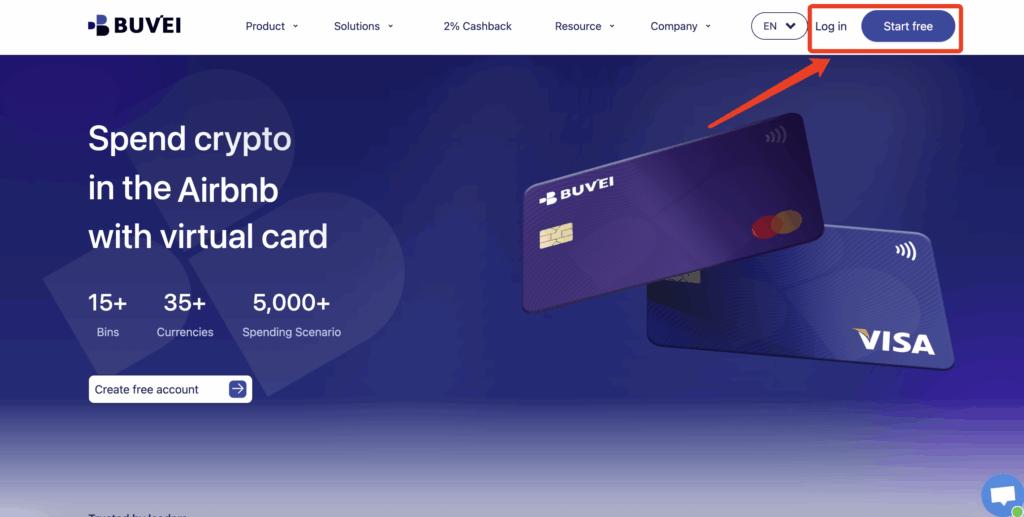
Step 1: Register an Account
Create an account on the Buvei platform using your email address and complete the verification process.
 Step 2: Deposit Funds
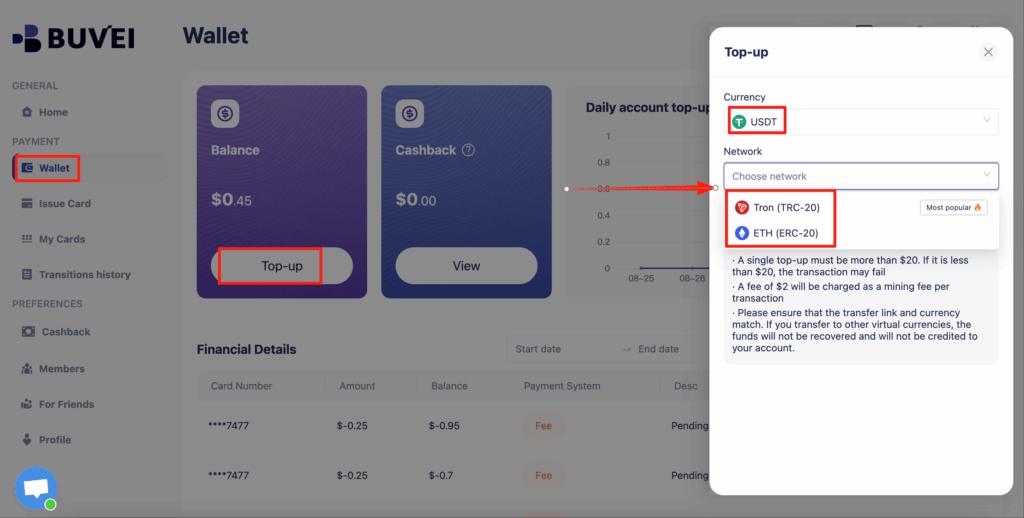
Go to the Wallet section and add funds using supported cryptocurrencies:
-
USDT (TRC20)
-
USDT (ERC20)
Once the transaction is confirmed on the blockchain, your wallet balance will be updated.
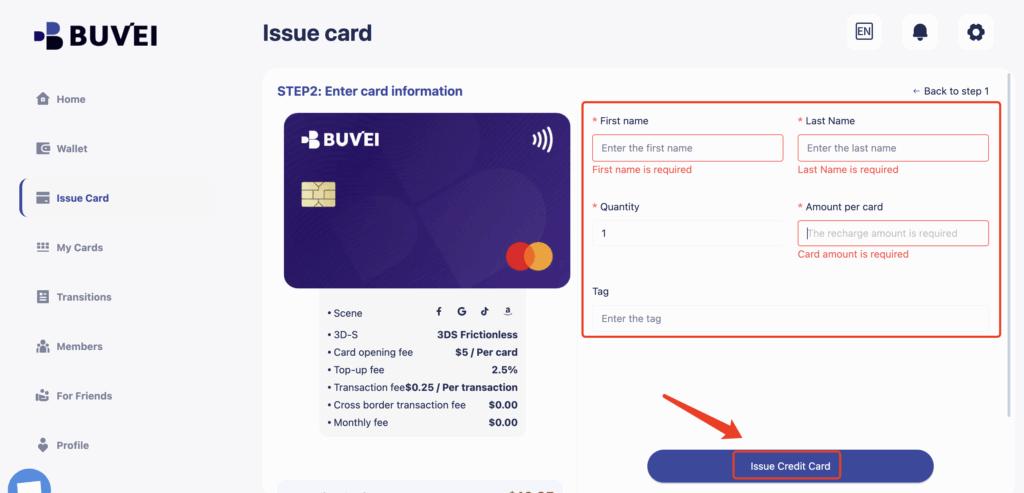
 Step 3: Issue a Virtual Card
-
Open the Cards section
-
Select the preferred BIN region
-
Choose the card type
-
Enter the card name, initial balance, and number of cards
-
Click Create Card
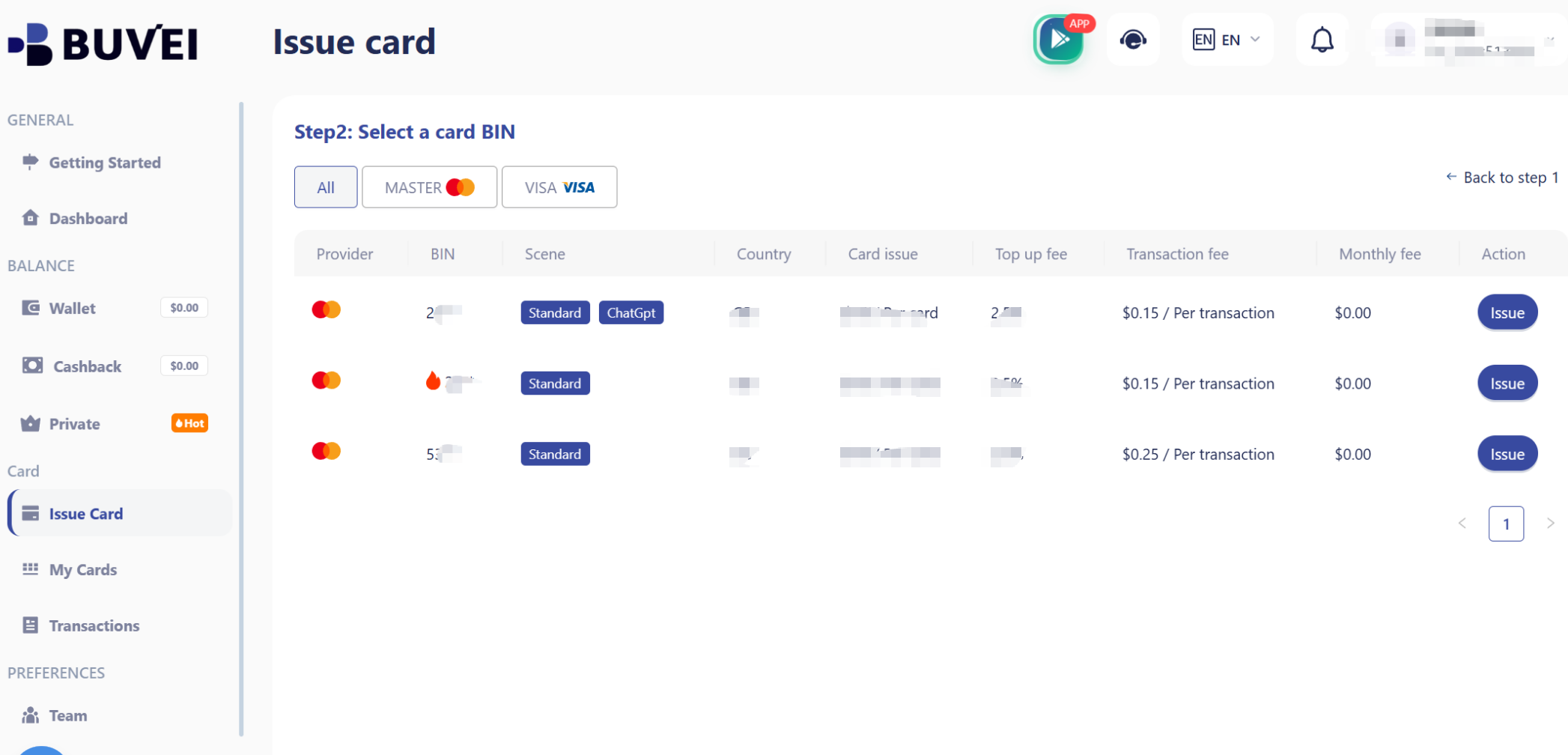 Your virtual card will be issued instantly.
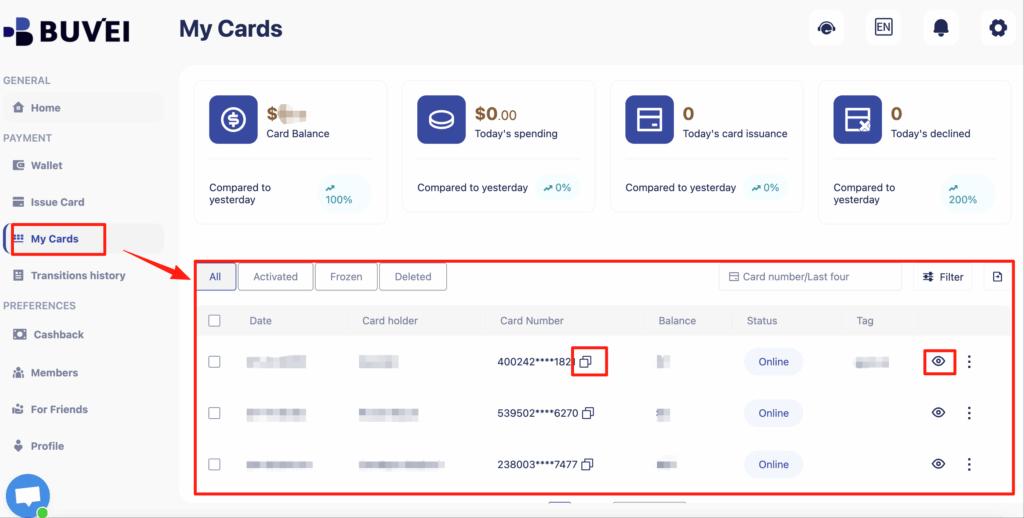
 You will then be able to view:
-
Card number
-
Expiration date
-
CVV
-
Card balance
-
Transaction history
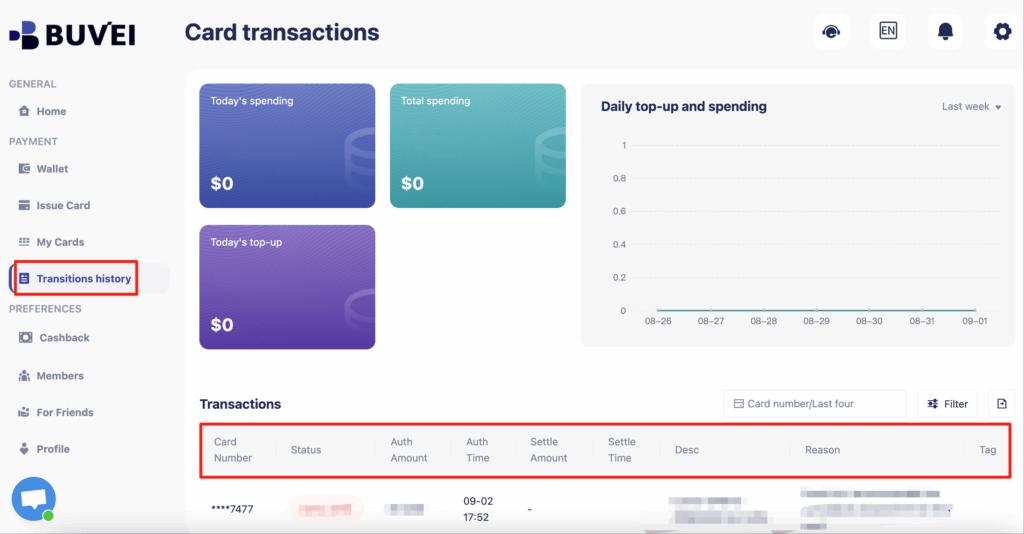
This process ensures that Buvei’s virtual cards are ideal for controlling your spending and managing online payments securely.
Conclusion
As digital commerce continues to expand across the Asia-Pacific region, flexible and secure payment tools are becoming increasingly important. Virtual cards provide a convenient way for users to manage subscriptions, advertising payments, and online purchases across global platforms.
With features such as instant issuance, spending control, and international compatibility, solutions like buvei virtual cards help APAC users navigate the evolving digital payment landscape more efficiently.