Digital gift cards are widely used for online shopping and entertainment platforms. They offer a prepaid payment method that does not require a traditional bank card.
However, while digital gift cards work well for certain purchases, they may not always be suitable for recurring subscriptions, advertising accounts, or SaaS tools.
This guide explains how digital gift cards work, where they are commonly used, and how they compare to virtual cards for online payments.
What Are Digital Gift Cards and How Do They Work?
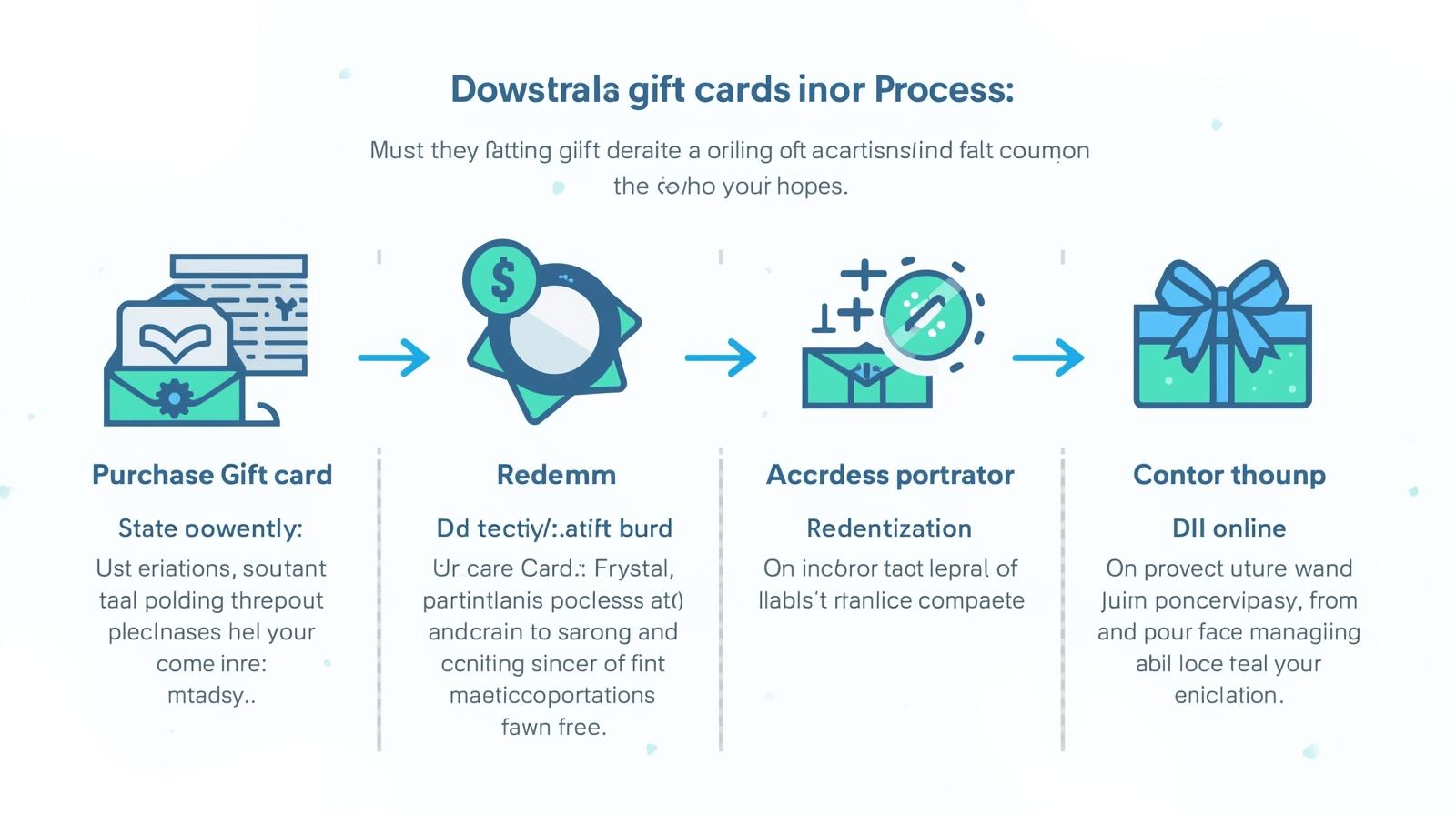
Digital gift cards are prepaid codes or balances issued by a retailer or platform. Instead of providing card network details (like Visa or Mastercard), users redeem a code directly within the issuing platform.
Key characteristics include:
-
Fixed prepaid value
-
Platform-specific usage
-
Non-reloadable in many cases
-
Limited to specific ecosystems
For example, many retailers or gaming platforms issue digital gift cards that can only be redeemed within their own stores.
Where Digital Gift Cards Are Commonly Used
Digital gift cards are frequently used for:
-
E-commerce platforms
-
Gaming marketplaces
-
App stores
-
Streaming services
-
Online retail brands
They are popular because they:
-
Provide spending control
-
Reduce exposure of bank details
-
Are easy to purchase and redeem
-
Work well for one-time purchases
For single transactions, gift cards can be convenient.
Limitations of Using Gift Cards for Online Payments
Despite their convenience, digital gift cards have several limitations:
-
Restricted to specific platforms
-
Often cannot be used for cross-platform payments
-
Limited support for recurring billing
-
No flexible spending limits
-
May not support advertising accounts
-
Typically cannot process international SaaS payments
For subscriptions or ad accounts that require recurring card authorization, gift cards may fail or be unsupported.
This makes them less suitable for business use cases.
Gift Cards vs Virtual Cards for Subscriptions and Ads
Here is a practical comparison:
| Feature | Digital Gift Cards | Virtual Cards |
|---|---|---|
| Platform Flexibility | Limited to issuer | Global (Visa/Mastercard) |
| Recurring Billing | Often unsupported | Supported (if enabled) |
| Adjustable Limits | No | Yes |
| Cross-Border Payments | Limited | Yes |
| Ad Platform Support | Rare | Common |
| Reloadable | Usually no | Yes (depending on provider) |
Virtual cards function like traditional bank cards but are issued digitally. Because they operate on standard card networks, they are accepted across a wider range of online services.
For businesses managing ads, AI subscriptions, or SaaS tools, flexibility is critical.
Using Virtual Cards as a Flexible Alternative
For users who need:
-
Recurring subscription payments
-
Advertising account funding
-
Cross-border SaaS billing
-
Adjustable spending control
-
Multi-platform compatibility
Virtual cards may offer a more adaptable solution than digital gift cards.

Step-by-Step: Creating a Virtual Card for Online Payments
Below is a structured setup process.
Step 1: Choose a Virtual Card Provider
Look for:
-
Visa or Mastercard support
-
International e-commerce compatibility
-
Recurring billing authorization
-
Adjustable card limits
-
Transparent fee structure
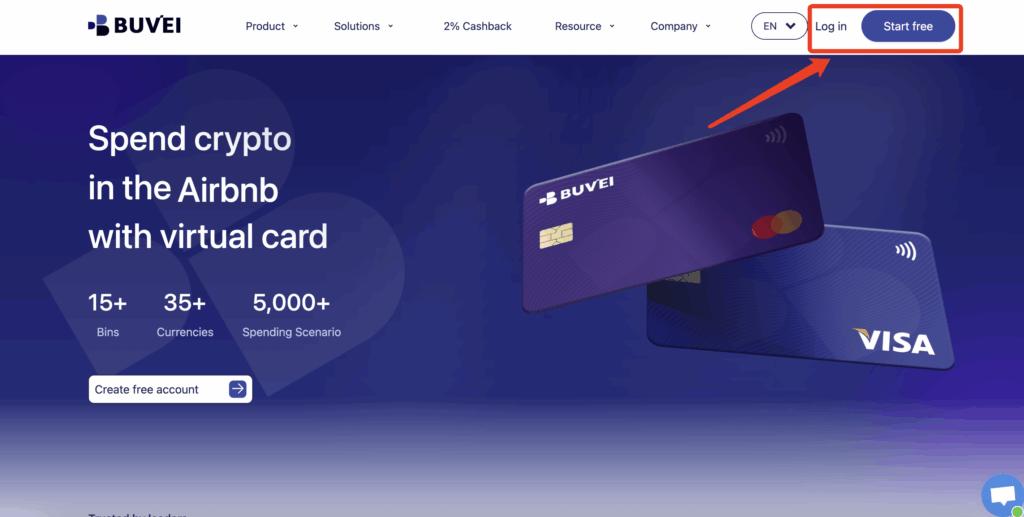
Step 2: Register a Buvei Account
To create a virtual card:
-
Visit https://buvei.com
-
Register a free account
-
Verify your email
-
Log into your dashboard
You will gain access to Wallet and Card management features.
Step 3: Fund Your Wallet with USDT
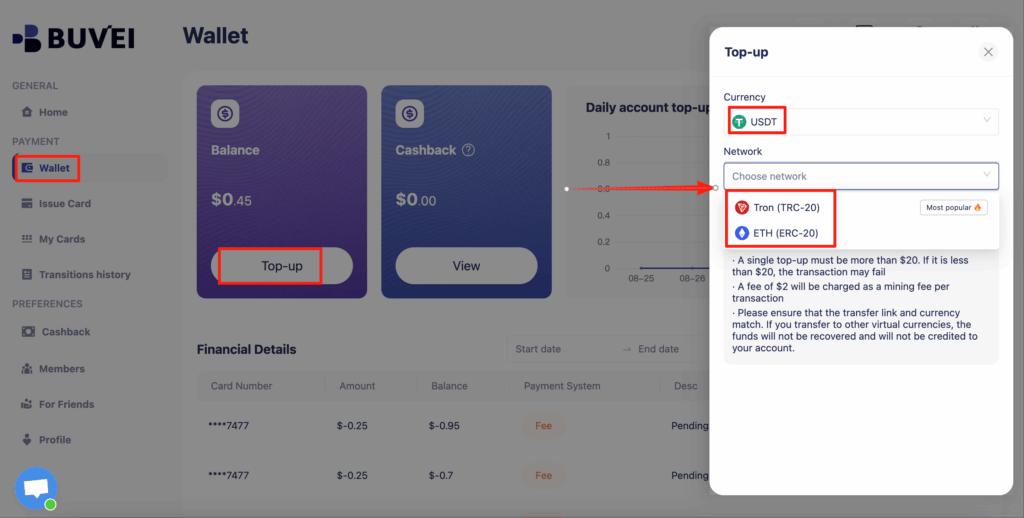
Inside your dashboard:
-
Navigate to the Wallet section
-
Select USDT (TRC20 or ERC20)
-
Copy your unique deposit address
-
Transfer USDT from your crypto wallet
-
Wait for confirmation
Once confirmed, your balance becomes available for card issuance.
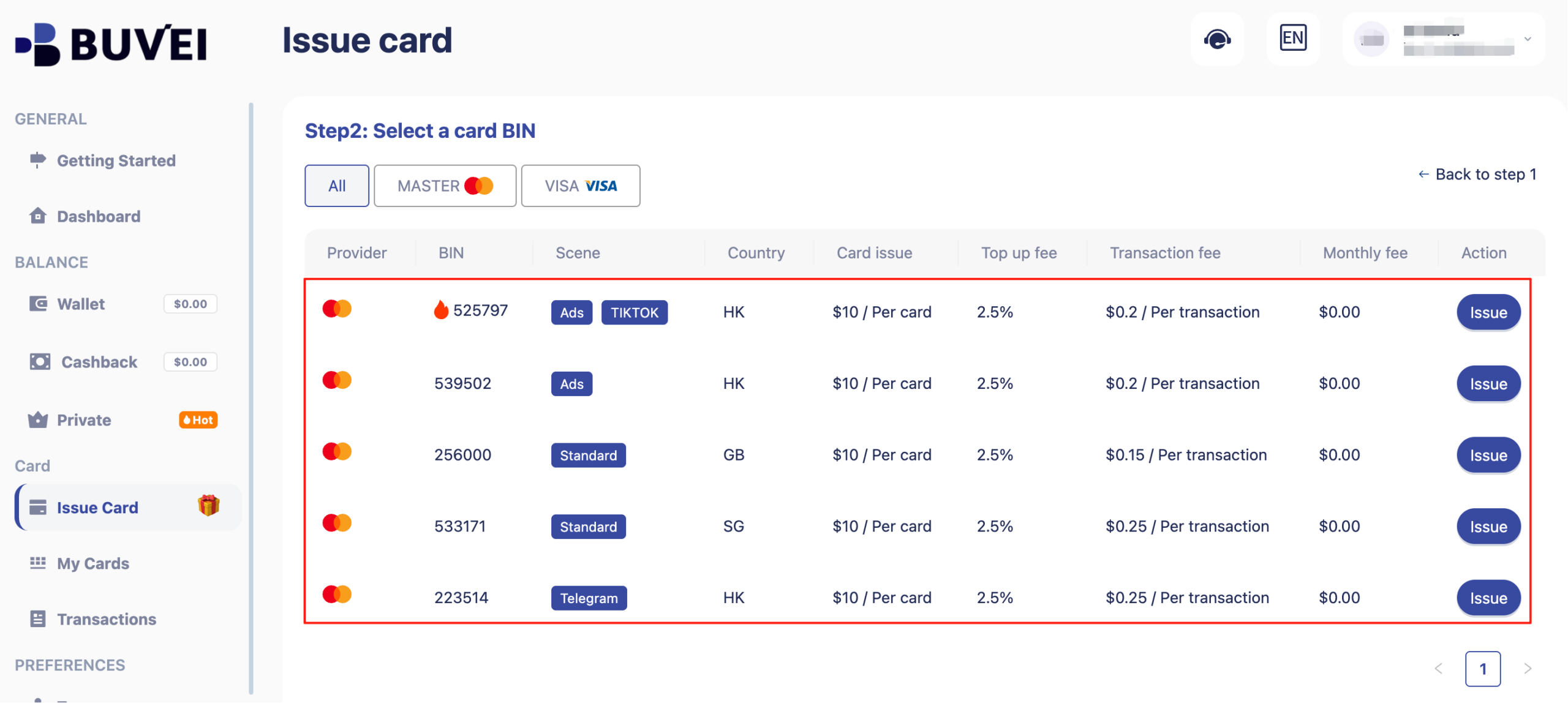
Step 4: Issue a Virtual Card
Now generate your card:
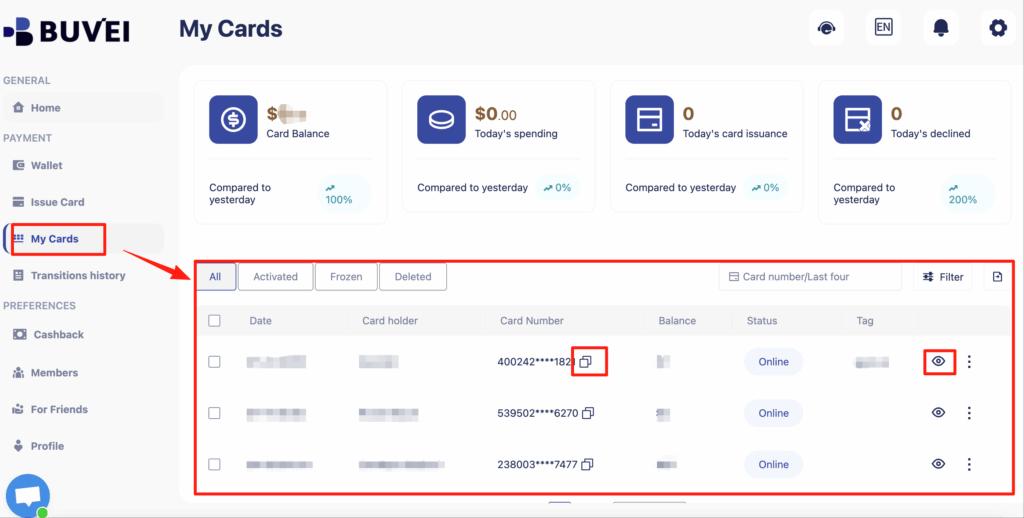
Go to the Cards tab
Select preferred BIN region
Choose card type
Set a spending limit
Click Issue Card
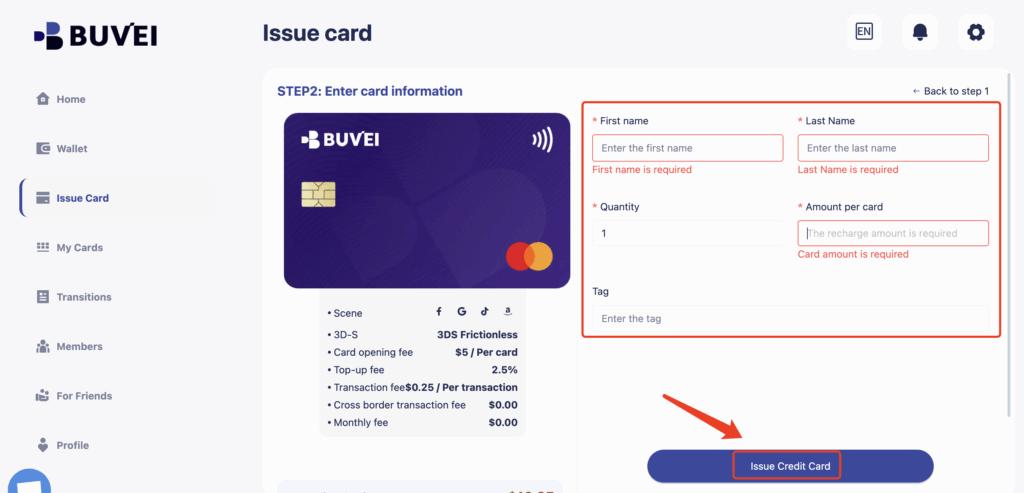
After issuance, review:
-
Card number
-
Expiration date
CVV
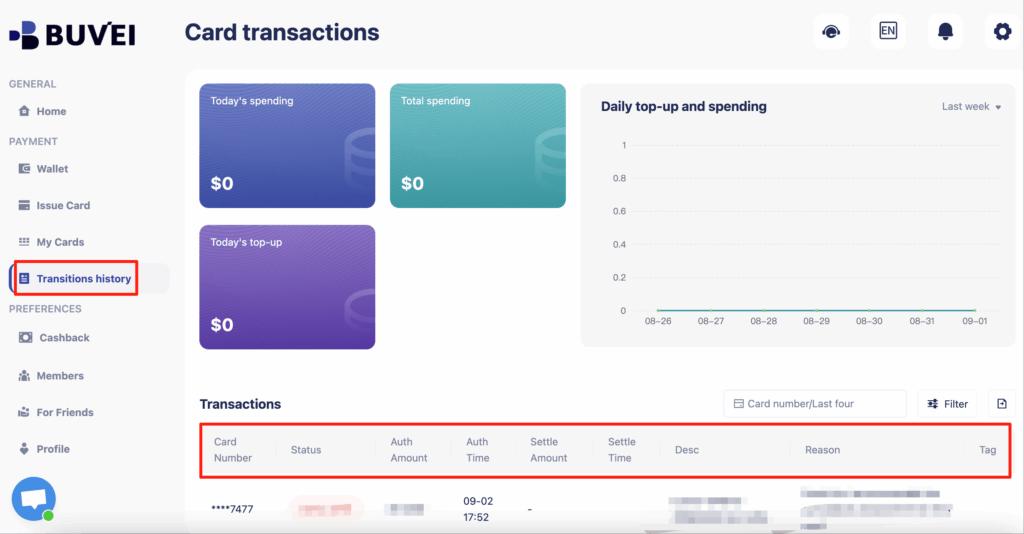
Transaction logs
You can now use the card for subscriptions, advertising platforms, SaaS tools, and other online services.
Conclusion
Digital gift cards are convenient for single-platform purchases and one-time transactions. However, they often lack the flexibility required for recurring subscriptions, cross-border payments, and business advertising accounts.
Virtual cards operate on global payment networks and support adjustable limits, recurring billing, and broader acceptance.
For users seeking a more adaptable online payment solution, platforms like Buvei provide USDT funding, instant card issuance, and multi-card management — offering a structured alternative to traditional digital gift cards.