Virtual cards are widely used for online payments, advertising, SaaS subscriptions, and AI tools. Some providers offer cashback programs, allowing users to earn a percentage of spending back.
Understanding how cashback virtual cards work can help businesses optimize recurring digital expenses.
What Is a Cashback Virtual Card?
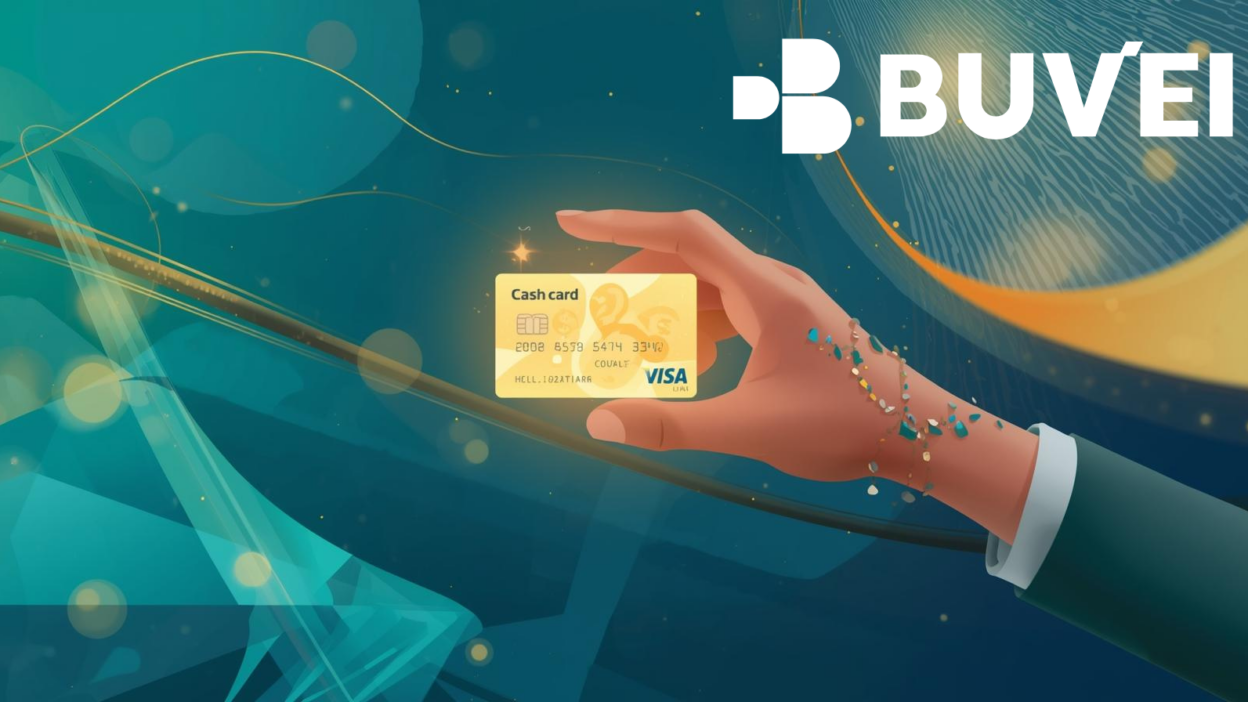
A cashback virtual card functions like a standard virtual Visa or Mastercard, but includes a reward structure.
Instead of simply processing payments, the card returns a percentage of eligible transactions to the user. This reward may be credited as:
-
Account balance
-
Monthly rebate
-
Points-based system
-
Transaction-level refund
The structure depends on the provider.
Unlike traditional credit cards, many cashback virtual cards are prepaid or crypto-funded, offering more controlled spending.
How Cashback Is Calculated on Online Payments
Cashback is typically calculated as a percentage of qualified transactions.
For example:
-
1% cashback on $10,000 monthly ad spend = $100 returned
-
0.5% cashback on $5,000 SaaS subscriptions = $25 returned
Important factors include:
-
Eligible merchant categories
-
Transaction currency
-
Minimum spending thresholds
-
Settlement timing
-
Excluded transaction types
Cashback is usually calculated after successful authorization and settlement.
Cashback vs Standard Virtual Cards
While both card types process online payments, the differences include:
| Feature | Cashback Virtual Card | Standard Virtual Card |
|---|---|---|
| Rewards | Yes | No |
| Cost Optimization | Potentially lowers net spend | No direct rewards |
| Spending Control | Adjustable limits | Adjustable limits |
| Recurring Billing | Supported (if enabled) | Supported |
| Use Cases | High-volume digital spend | General online payments |
For businesses with consistent advertising or SaaS expenses, cashback cards may reduce effective operating costs.
Use Cases: Ads, AI, and SaaS Subscriptions
Cashback virtual cards are often used for:
1. Advertising Spend
High-volume ad buyers may benefit from percentage-based returns on recurring campaign budgets.
2. AI Subscriptions
Recurring monthly AI tool payments can generate small but consistent cashback rewards.
3. SaaS Tools
CRM, hosting, analytics, and productivity software often involve predictable monthly charges.
For businesses with significant digital spending, cashback accumulates over time.
Best Practices for Maximizing Cashback
To optimize rewards:
-
Use the card for high-volume digital payments
-
Avoid splitting spend across too many cards
-
Maintain sufficient balance
-
Monitor eligible merchant categories
-
Track monthly reward totals
Structured spending improves both cost control and reward accumulation.
Conclusion
Cashback virtual cards combine payment flexibility with reward optimization. For businesses with recurring online expenses — including ads, AI tools, and SaaS platforms — even small percentage returns can accumulate meaningfully over time.
By using a crypto-funded virtual card with clear reward terms and adjustable spending controls, companies can improve financial efficiency while maintaining payment stability.
Platforms like Buvei support USDT deposits, instant card issuance, and multi-card management, providing a flexible foundation for optimized online payment workflows.