
As crypto adoption grows globally, more users are exploring crypto payments for services like Alibaba Cloud domains. Whether you're a developer, startup founder, or international business owner, paying for domains and cloud infrastructure with USDT or other crypto can offer speed, flexibility, and lower cross-border friction.
However, Alibaba Cloud does not directly support crypto checkout. The practical solution is combining crypto funding with virtual cards—and this is where platforms like Buvei provide a powerful bridge. This guide explains how to pay for Alibaba Cloud domains using crypto step by step.

Does Alibaba Cloud Accept Crypto Payments?
Short answer: No, Alibaba Cloud does not natively accept crypto payments such as Bitcoin or USDT.
Alibaba Cloud currently supports:
-
Credit/debit cards
-
Bank transfers
-
Local payment methods (depending on region)
But many international users face challenges:
-
Card declines
-
Cross-border restrictions
-
High conversion fees
-
Payment blocks on prepaid cards
That’s why more users use crypto-funded virtual cards as an alternative.
How to Pay for Domains Using Crypto and Virtual Cards
The most reliable method today is:
Crypto (USDT) → Virtual Card → Alibaba Cloud Checkout
Instead of waiting for Alibaba Cloud to support blockchain payments directly, you can:
-
Top up a virtual card platform using USDT
-
Generate a stable Visa/Mastercard virtual card
-
Use that card like a normal payment method on Alibaba Cloud
Platforms like Buvei are designed for exactly this use case, offering:
-
USDT (TRC20/ERC20) top-ups
-
Multi-BIN Visa/Mastercard virtual cards
-
High approval rates on global platforms
-
Secure payments with PCI DSS compliance
Step-by-Step Guide to Paying Alibaba Cloud with Crypto
Here’s the exact workflow using Buvei:
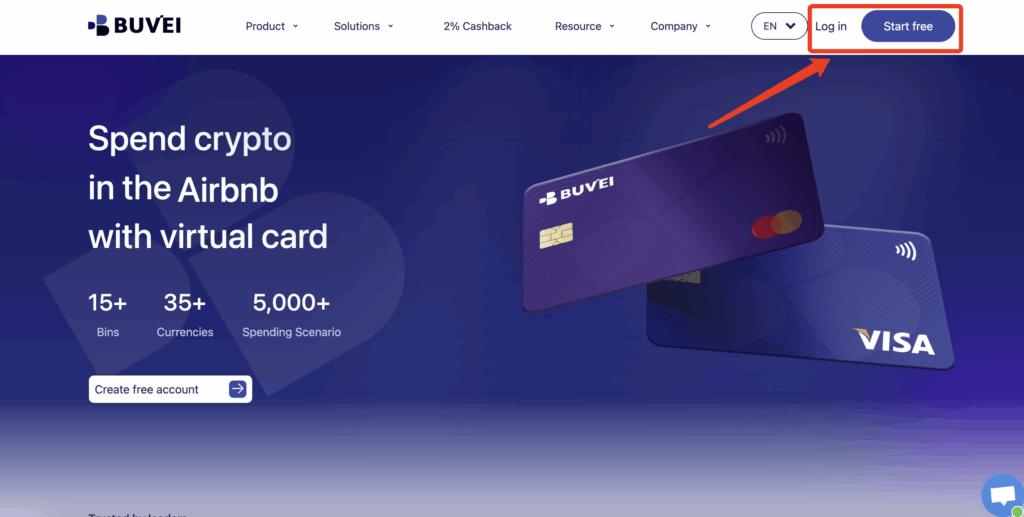
Step 1: Register a Buvei Account
-
Visit https://buvei.com
-
Create a free account
-
Verify your email
-
Log in to access the Buvei dashboard
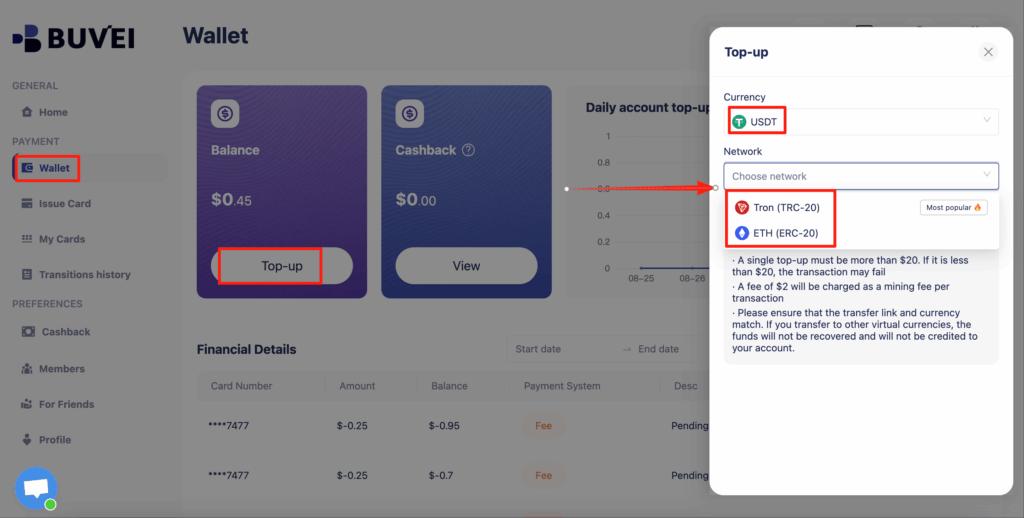
Step 2: Fund Your Account with Crypto
-
Go to the Wallet tab
-
Choose USDT (TRC20 or ERC20)
-
Copy your exclusive deposit address
-
Send your USDT to that address
-
Once confirmed, your balance appears and is ready to use
This step effectively converts your crypto into spendable virtual card balance.
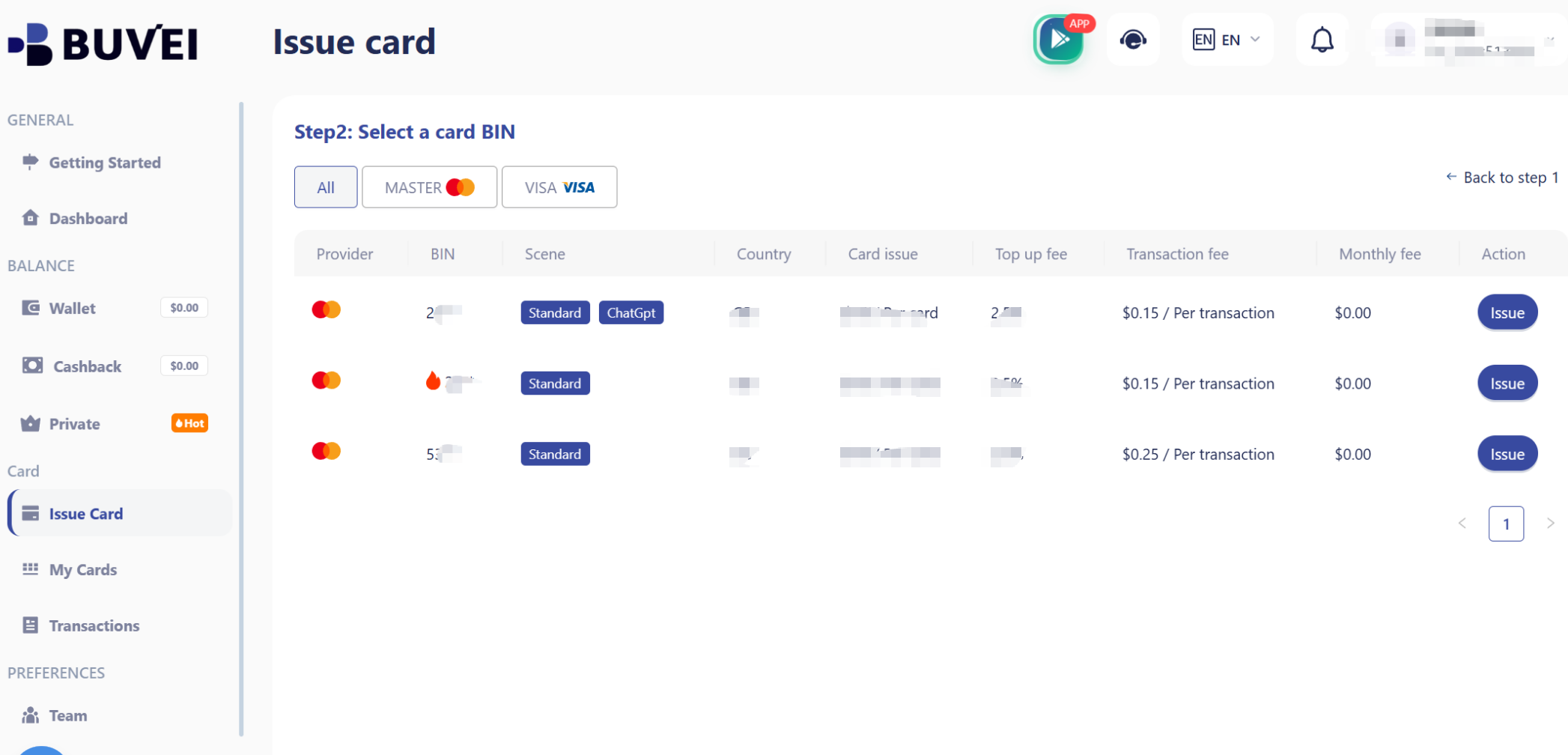
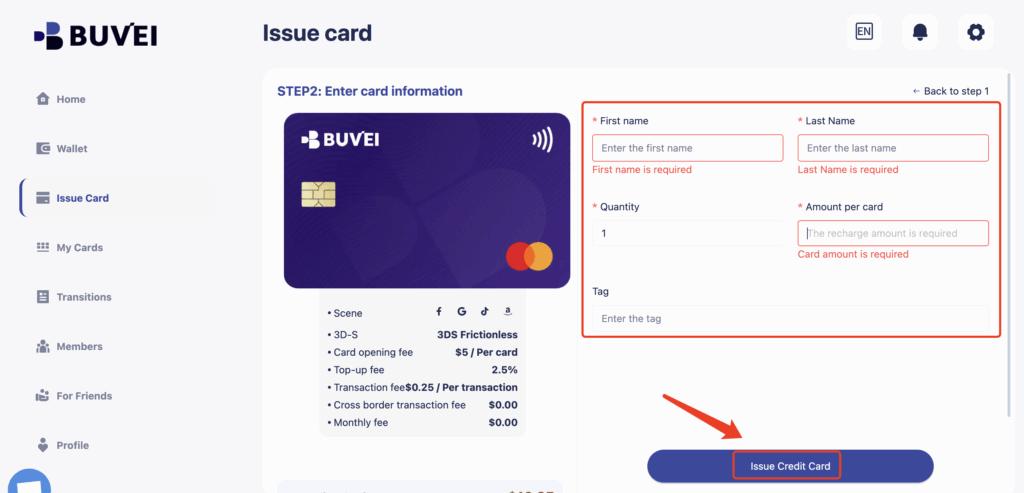
Step 3: Create Your Virtual Card
-
Go to the Cards tab
-
Select your preferred BIN region (US BIN is recommended for higher approval)
-
Choose your card type
-
Click create
-
Enter:
-
Card name
-
Amount
-
Number of cards
-
-
Click Issue Card
Step 4: Access Your Card Details
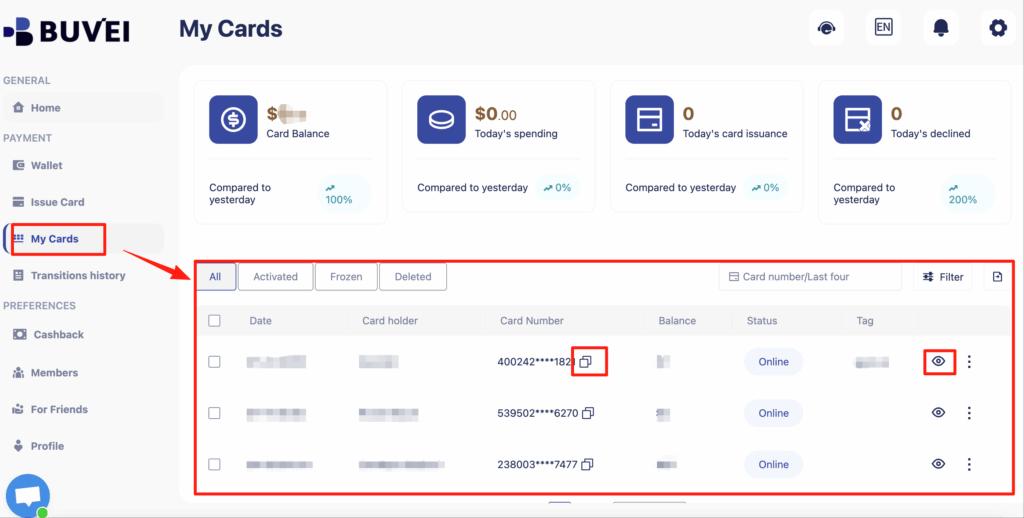
Under My Cards, you can view:
-
Card number
-
Expiry date
-
CVV
-
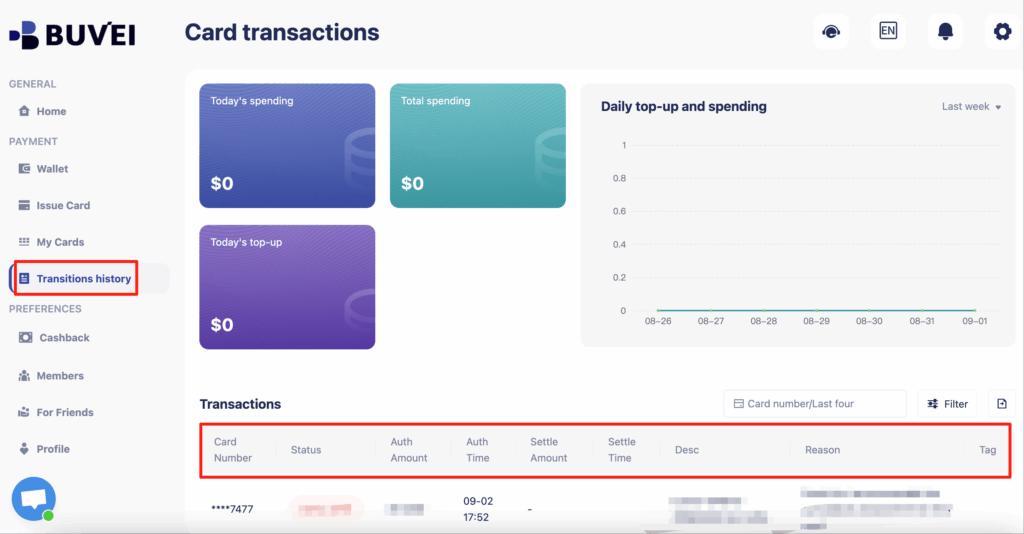
Full transaction history
-
Recharge and spending overview
Step 5: Pay on Alibaba Cloud
Now go to Alibaba Cloud:
-
Log in to Alibaba Cloud Console
-
Navigate to Billing → Payment Methods
-
Add your Buvei virtual card
-
Complete your domain or service purchase normally
From Alibaba Cloud’s perspective, this looks like a standard card payment.
How Virtual Cards Simplify Alibaba Cloud Payments
Using a crypto-funded virtual card simplifies everything:
-
No need for traditional banks
-
Avoids cross-border card restrictions
-
Reduces risk of account freezing
-
Improves approval rates with proper BIN region
-
Allows better budget control with per-card balances
-
Enables businesses to pay from crypto treasuries easily
For Web3 founders, developers, agencies, and global freelancers, this is often the most efficient setup.
Benefits of Using Crypto for Alibaba Cloud Services
Using crypto as your funding source (via virtual cards) provides clear advantages:
-
Speed: USDT transfers settle quickly
-
Lower fees: Especially compared to international bank wires
-
Borderless access: No reliance on local banking systems
-
Operational flexibility: Ideal for distributed teams
-
Treasury-friendly: Spend directly from crypto reserves
-
Security: No exposure of your personal bank card
Combined with Buvei’s card controls and transparency, this creates a highly professional payment infrastructure.
Troubleshooting Common Crypto Payment Issues
If your Alibaba Cloud payment fails, here are typical causes and fixes:
Issue: Card Declined
→ Use US BIN card region
→ Ensure sufficient balance
→ Avoid too many attempts in short time
Issue: Payment Pending
→ Wait for USDT blockchain confirmation
→ Check Buvei wallet balance
Issue: Platform Flags Card
→ Use a fresh card for each major service
→ Avoid reusing cards across unrelated accounts
Issue: Insufficient Funds
→ Always add buffer balance beyond exact purchase price
Buvei’s real-time dashboard makes it easy to diagnose and resolve these issues quickly.

Conclusion
While Alibaba Cloud does not yet natively support crypto payments, users can still pay for Alibaba Cloud domains efficiently by combining crypto funding with virtual cards. This approach offers flexibility, global accessibility, and stronger control over online spending.
Platforms like Buvei make this process simple by offering USDT top-ups, instant virtual card issuance, multi-BIN support, and strong compatibility with major global services like Alibaba Cloud.
If you're managing domains, cloud infrastructure, or global SaaS tools with crypto funds, Buvei provides a practical, scalable bridge between Web3 finance and traditional platforms.