For advertisers, agencies, and media buyers, budget control is just as important as performance optimization. In 2026, many ad accounts don’t fail because of bad creatives—but because spending runs out of control due to unlimited cards, poor payment discipline, or delayed monitoring.
This guide explains why ad spend often exceeds expectations, the risks of unlimited cards, and how virtual card limits—especially when configured with Buvei—can help you enforce strict daily and monthly ad budgets.

Why Ad Spend Gets Out of Control
Ad platforms like Facebook, Google, TikTok, and X (Twitter) are designed to spend aggressively once campaigns show results. Without hard payment constraints, budgets can spiral quickly.
Common reasons ad spend becomes uncontrollable include:
-
Campaign budgets scaling faster than expected
-
Automated bidding overspending during high-competition periods
-
Multiple ad accounts sharing the same payment card
-
Delayed billing visibility (postpaid ad models)
-
Human error in campaign setup
-
No real-time spending caps at the payment level
When spend control relies only on platform settings, mistakes are inevitable.
Risks of Unlimited Cards in Advertising Campaigns
Using a card with no spending limits may seem convenient, but it introduces serious financial and operational risks.
Key risks include:
-
Unexpected large charges before alerts trigger
-
Difficulty isolating spend by account, region, or client
-
Exposure to fraud or hacked ad accounts
-
Chargeback disputes becoming harder to manage
-
Agency-client trust issues due to unclear billing
-
Higher loss if an account is compromised
Unlimited cards remove the final line of defense: the payment cap itself.
How Virtual Card Limits Improve Budget Control
Virtual cards allow advertisers to enforce hard spending rules at the card level, independent of the ad platform.
Benefits of using virtual card limits include:
-
Guaranteed maximum daily or monthly spend
-
Automatic payment failure once the limit is reached
-
Clear separation of budgets by campaign or account
-
Reduced financial damage from ad account abuse
-
Better cash flow planning
-
Cleaner reconciliation and reporting
Instead of reacting to overspending, you prevent it by design.

Setting Daily and Monthly Spend Caps: Step-by-Step
A practical way to control ad spend using virtual cards involves four steps:
-
Define the real budget
-
Daily spend target
-
Monthly maximum loss tolerance
-
-
Create a dedicated virtual card
-
One card per ad account or campaign group
-
Never reuse cards across unrelated campaigns
-
-
Fund only what you are willing to spend
-
Add a buffer (10–20%) for tax or billing adjustments
-
Avoid overfunding “just in case”
-
-
Monitor spend against limits
-
If spend hits the cap, ads pause automatically
-
Top up only after reviewing performance
-
This approach turns payment failure into a controlled stop signal, not a crisis.
How to Configure Spend Limits Using Buvei Virtual Cards
Buvei virtual cards are designed for high-frequency advertising use, making them ideal for enforcing spend discipline.
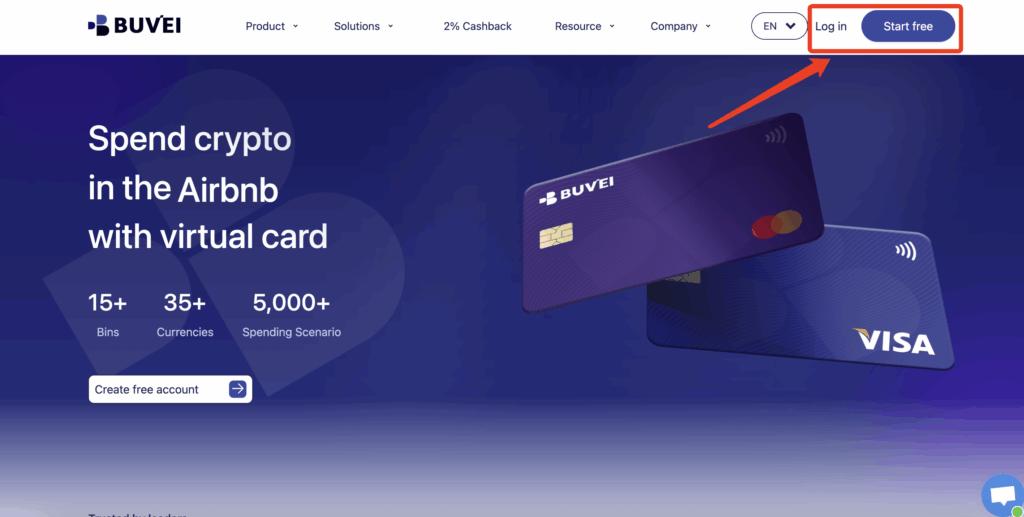
Step 1: Create a Buvei Account
-
Visit https://buvei.com
-
Register and verify your email
-
Access the Buvei dashboard
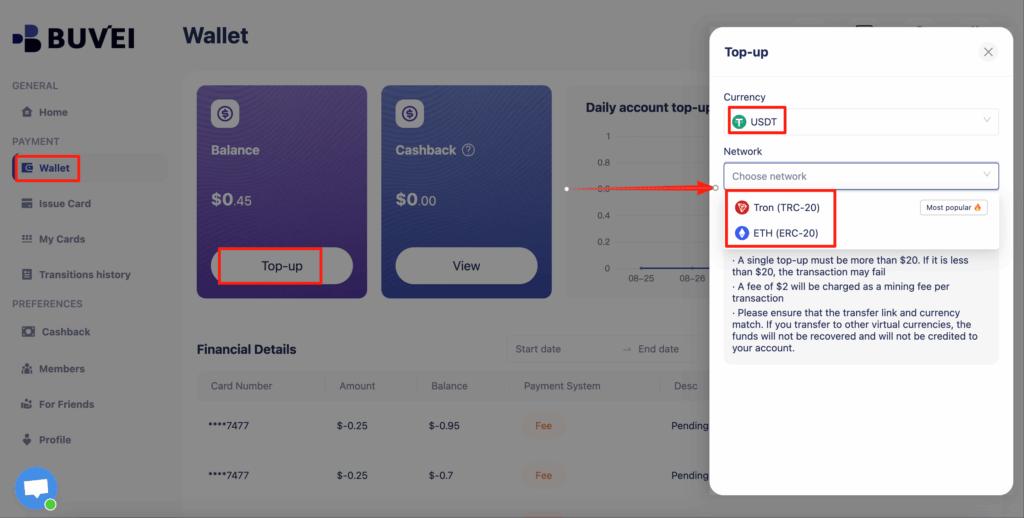
Step 2: Fund Your Wallet
-
Go to Wallet → Deposit
-
Select USDT (TRC20 or ERC20)
-
Send funds to your dedicated address
-
Balance becomes available after confirmation
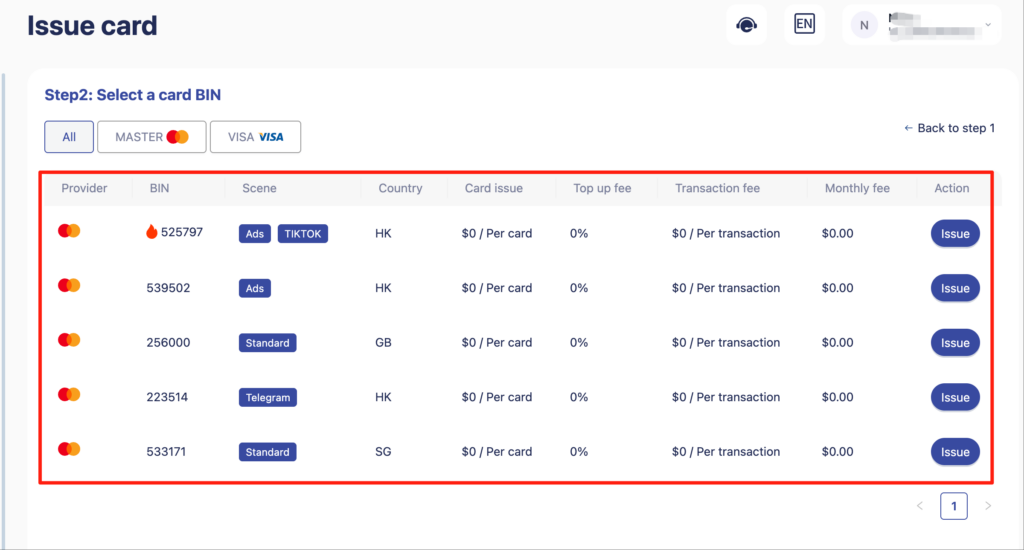
Step 3: Issue a Virtual Card with Controlled Balance
-
Navigate to Cards → Create Card
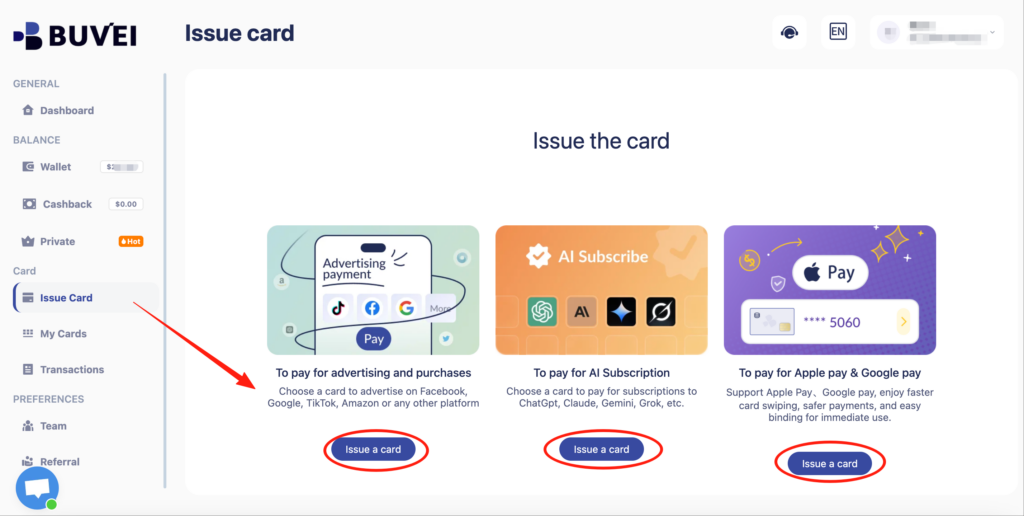
-
Configure:
-
Network: Visa or Mastercard
-
BIN region: US BIN recommended for ad platforms
-
Initial balance: Equal to your budget cap
-
-
Issue the card
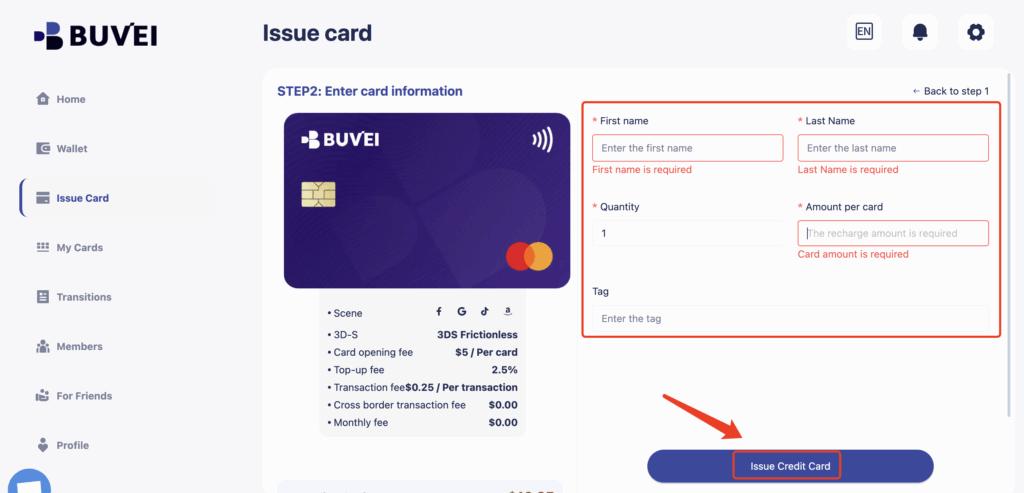
The card cannot spend more than its balance, acting as a built-in spending limit.
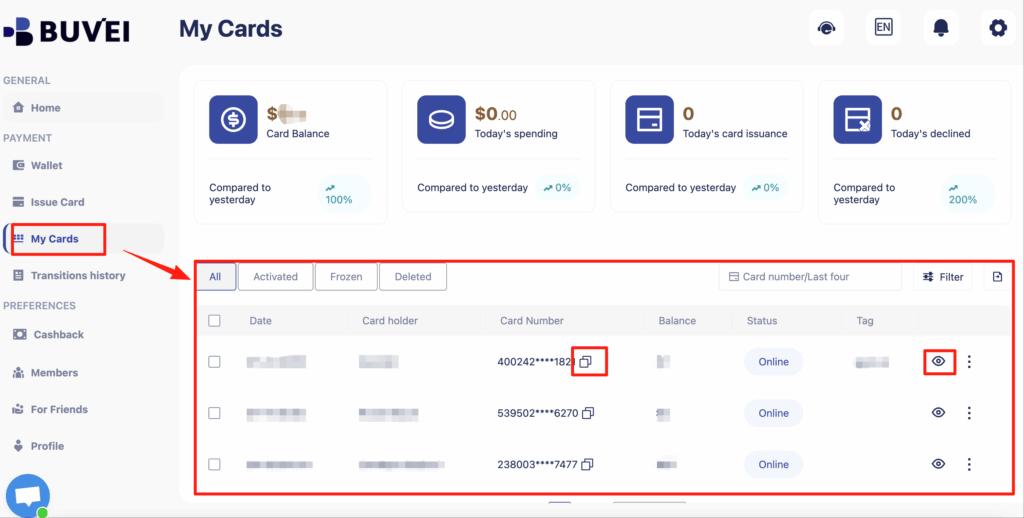
Step 4: Assign the Card to One Ad Account
-
Add the card to:
-
Facebook Ads
-
Google Ads
-
TikTok Ads
-
-
Use one card per account
-
Avoid mid-cycle card swaps
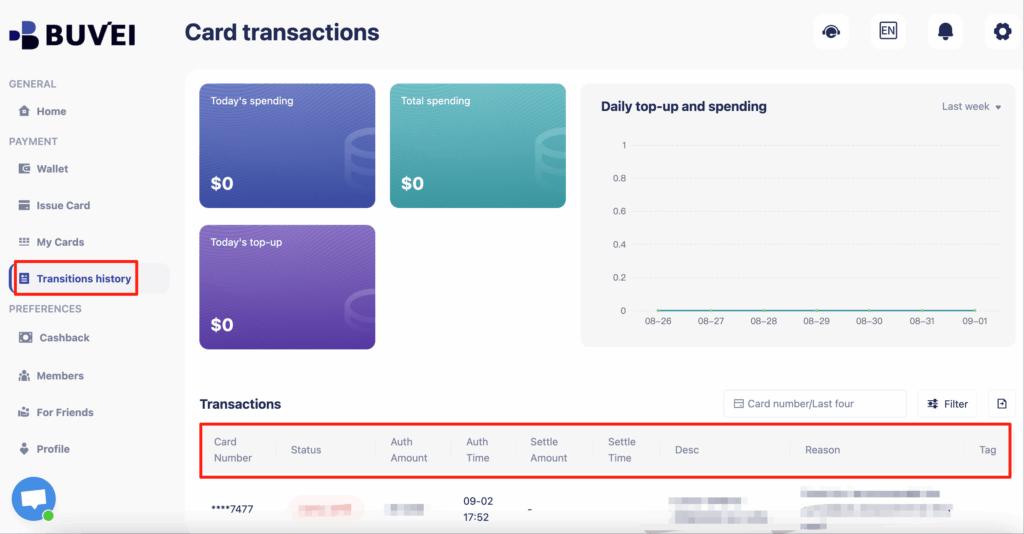
From My Cards, you can track spend, remaining balance, and transaction history in real time.
Budget Control Tips for Teams and Agencies
For teams managing multiple accounts or clients, these best practices significantly reduce risk:
-
One virtual card per client or ad account
-
Separate testing budgets from scaling budgets
-
Keep production campaigns on higher-balance cards
-
Use low-balance cards for experimental creatives
-
Rotate cards only after billing cycles close
-
Never share a single card across platforms
Virtual cards function best when treated as budget containers, not generic payment tools.
Final Thoughts
In 2026, ad platforms are optimized to spend—your job is to control risk. Virtual card limits provide a simple, enforceable way to cap losses, prevent overspending, and maintain clean financial operations.
With Buvei virtual cards, advertisers and agencies can turn payment limits into a strategic advantage—ensuring that no campaign ever spends more than it should.