Paper checks have been part of the financial system for decades.
However, in a digital-first economy, they are becoming increasingly difficult to justify.
In 2025, the U.S. federal government signaled a major shift by announcing that paper checks will no longer be the default for federal payments. This move isn’t symbolic. It reflects a broader reality: paper checks are slow, expensive, and risky—and businesses that continue relying on them are falling behind.
Why Paper Checks No Longer Make Sense
At first glance, paper checks may feel familiar and reliable. In practice, they introduce unnecessary friction.
Higher Cost, Lower Efficiency
Paper checks require:
-
Printing and mailing
-
Manual processing
-
Reconciliation and exception handling
These steps add up. Supporting check-based payments costs organizations millions each year in labor, infrastructure, and delay.
Increased Fraud and Security Risk
According to U.S. Treasury data, paper checks are far more likely to be:
-
Lost
-
Stolen
-
Altered
Compared to digital payments, checks expose businesses to significantly higher fraud risk.
Slow Settlement and Poor Visibility
Checks move at human speed, not system speed.
This creates:
-
Cash flow delays
-
Limited real-time visibility
-
Inaccurate forecasting
For finance teams, that lack of clarity is a real operational risk.
Why Businesses Still Use Paper Checks
If checks are so inefficient, why do they persist?
Process Inertia
Many organizations stick with checks because:
-
“That’s how it’s always been done”
-
Systems feel too complex to change
-
Vendors still accept checks
Unfortunately, this inertia compounds risk over time.
Fragmented Payment Workflows
In industries like construction, real estate, and professional services, payments often involve:
-
Multiple parties
-
Approval layers
-
Compliance requirements
Checks appear simple—but they actually make coordination harder.
How Digital Payments Change the Equation
Digital payments are not just faster. They fundamentally improve how money moves.
Built-In Audit Trails
Digital payments create:
-
Automatic records
-
Clear transaction histories
-
Easier compliance reporting
This reduces errors and simplifies audits.
Faster Access to Capital
When payments settle quickly:
-
Vendors get paid sooner
-
Cash flow improves
-
Working capital is freed
Speed becomes a competitive advantage.
Stronger Controls and Transparency
Modern payment systems allow:
-
Spending limits
-
Approval rules
-
Real-time monitoring
This gives CFOs and finance teams better control over risk.
Digital Payments as a Strategic Advantage
More companies are realizing that payments are not just a back-office task.
In complex sectors, digital payment platforms now:
-
Coordinate multi-party transactions
-
Reduce disputes
-
Accelerate project timelines
What used to be an operational burden is becoming a strategic lever.
Moving From Checks to Modern Payment Tools
For businesses ready to move away from checks, the transition doesn’t have to be disruptive.
One Practical Option: Virtual Card Payments
Virtual cards allow businesses to:
-
Pay vendors digitally
-
Control spending per transaction
-
Eliminate paper-based workflows
They are especially useful for recurring or controlled payments.
Example: Using Buvei for Digital Business Payments
Buvei offers virtual card infrastructure that helps businesses replace manual payment methods.
Step 1: Create a Buvei Account
-
Visit https://buvei.com
-
Register a free account and verify your email
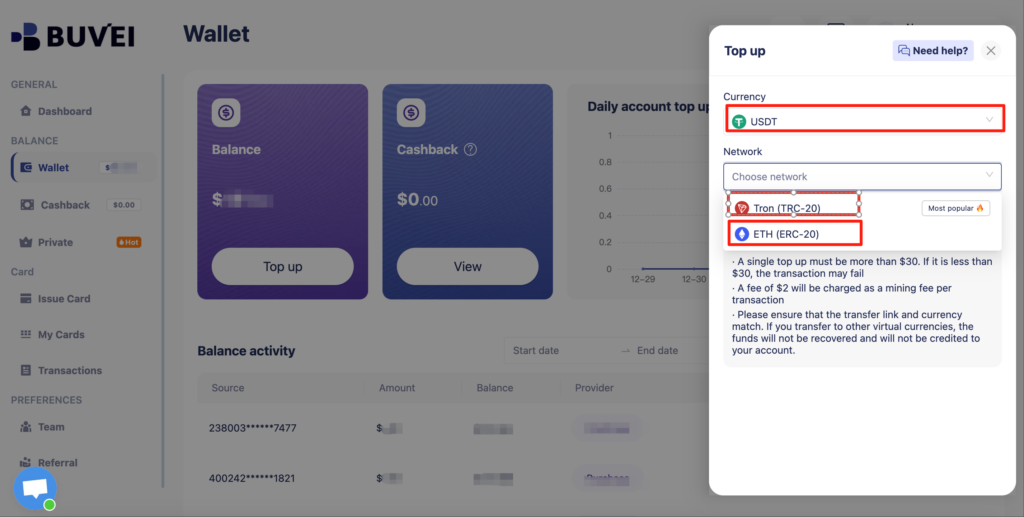
Step 2: Fund Your Wallet
-
Add funds using USDT (TRC20 or ERC20)
-
Funds are available once confirmed
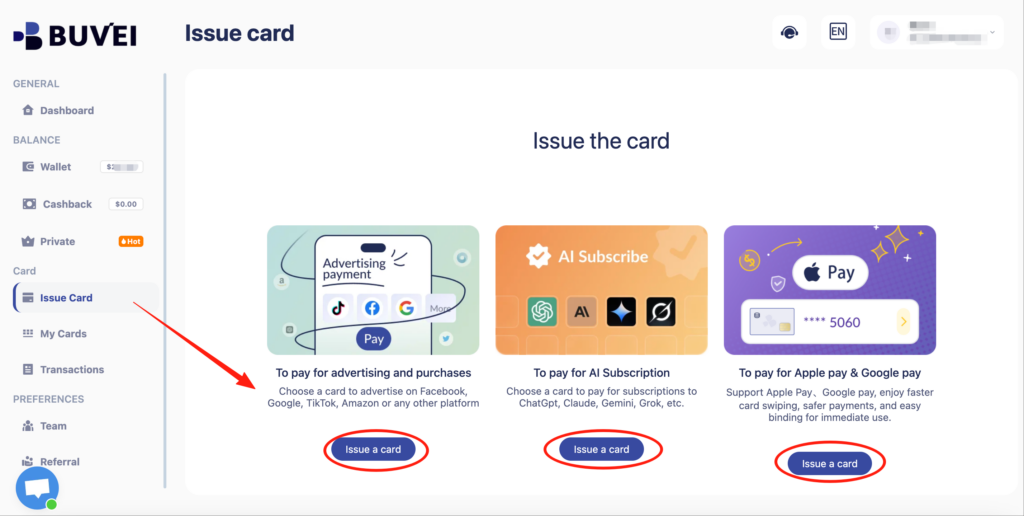
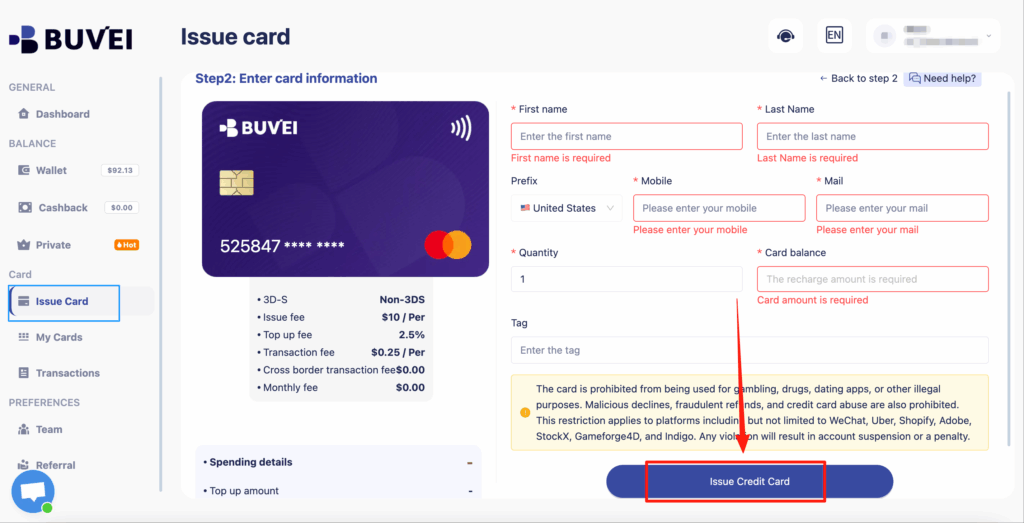
Step 3: Issue Virtual Cards
-
Create reusable virtual cards
-
Set limits and track transactions in real time
This approach removes the delays and risks associated with paper checks while maintaining control and visibility.
Final Thoughts
Paper checks are no longer a sign of reliability. They’re a sign of inefficiency.
As the federal government moves away from checks, the private sector faces a clear choice:
-
Continue absorbing unnecessary risk and cost
-
Or adopt digital payment systems built for today’s economy
Digitizing payments isn’t just modernization.
It’s about security, resilience, and operational clarity—and the businesses that act now will be better positioned for what comes next.