As crypto exchanges continue to expand globally, KuCoin and Bybit remain two of the most popular platforms for spot trading, derivatives, and on-ramp services. While bank transfers and third-party payment gateways are widely used, many users explore virtual cards as an alternative funding method—mainly for privacy, flexibility, and spending control.
However, card funding on crypto platforms carries higher risk than standard e-commerce payments. This guide explains how KuCoin and Bybit handle card funding, why virtual cards are often flagged, and how Buvei virtual cards can be used more safely and effectively.

How KuCoin and Bybit Process Card Funding
KuCoin and Bybit do not process card payments directly. Instead, they rely on licensed third-party payment providers to handle card funding, such as:
-
Regional fiat on-ramp partners
-
Card payment gateways that perform KYC and fraud checks
-
Temporary authorization and settlement systems
When you fund your account with a card, the transaction is evaluated based on:
-
BIN region and issuing country
-
Card type (debit, prepaid, virtual)
-
Transaction size and frequency
-
Risk profile of the exchange and payment channel
Because crypto transactions are considered high-risk, card issuers and payment processors apply stricter controls.
Why Virtual Cards Are High-Risk for Crypto Funding
Even though virtual cards work well for subscriptions and online shopping, crypto funding is a different category.
Common reasons virtual cards are flagged or declined include:
-
Crypto-related merchant category codes (MCCs)
-
BINs associated with prepaid or short-lived cards
-
Lack of historical transaction data
-
Regulatory pressure on card-to-crypto transactions
-
High chargeback risk for exchanges
As a result, many virtual cards work temporarily, then fail after repeated use or larger amounts.
Using Buvei Virtual Cards for KuCoin & Bybit
Buvei offers virtual cards that can be used for selected card-based crypto funding channels, depending on availability and risk controls at the time of transaction.
Step 1: Register a Buvei Account
-
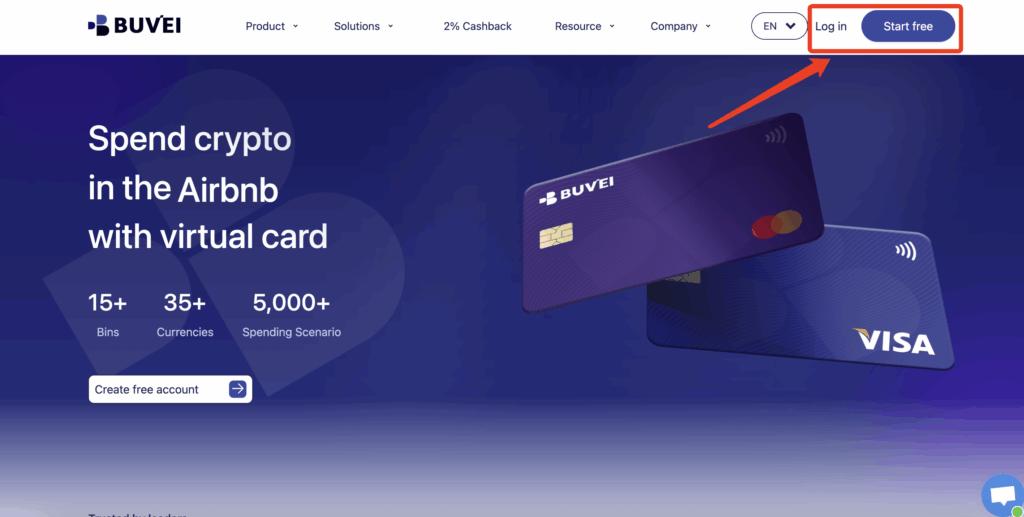
Visit https://buvei.com and create a free account
-
Complete email verification
-
Log in to access the Buvei dashboard for wallet and card management
Step 2: Fund Your Buvei Wallet
-
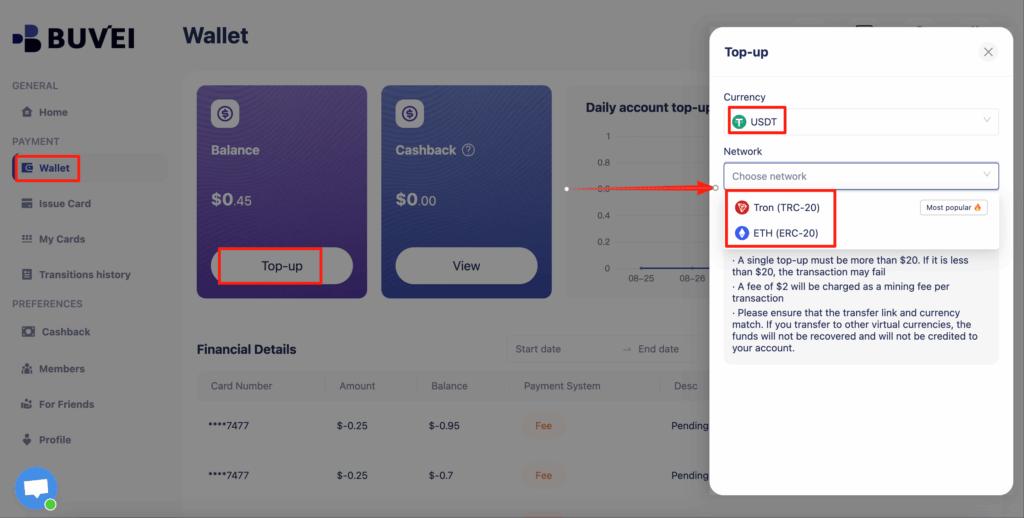
Navigate to the Wallet section
-
Choose USDT (TRC20 or ERC20) as your funding option
-
Buvei generates a dedicated deposit address
-
Send your funds; once confirmed on-chain, the balance is available immediately
Step 3: Create a Virtual Card
Go to Cards → Create Card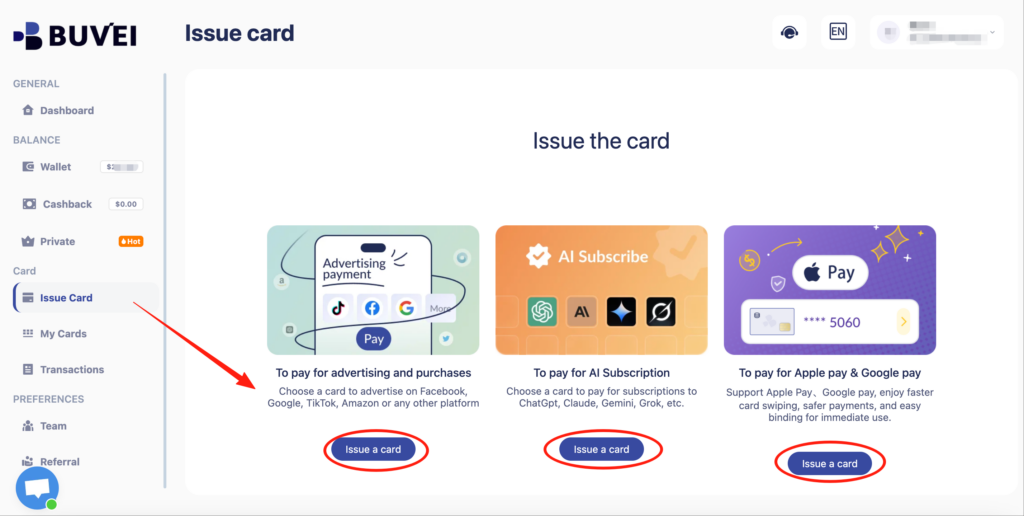
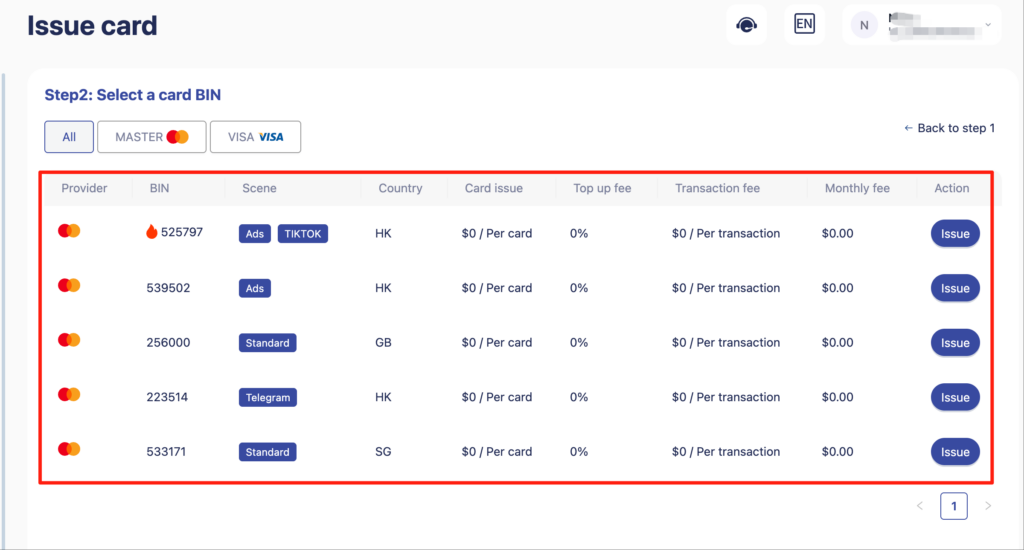 Configure the card:
-
-
Select
-
US BIN (generally more compatible with global payment gateways)
-
Choose card type
-
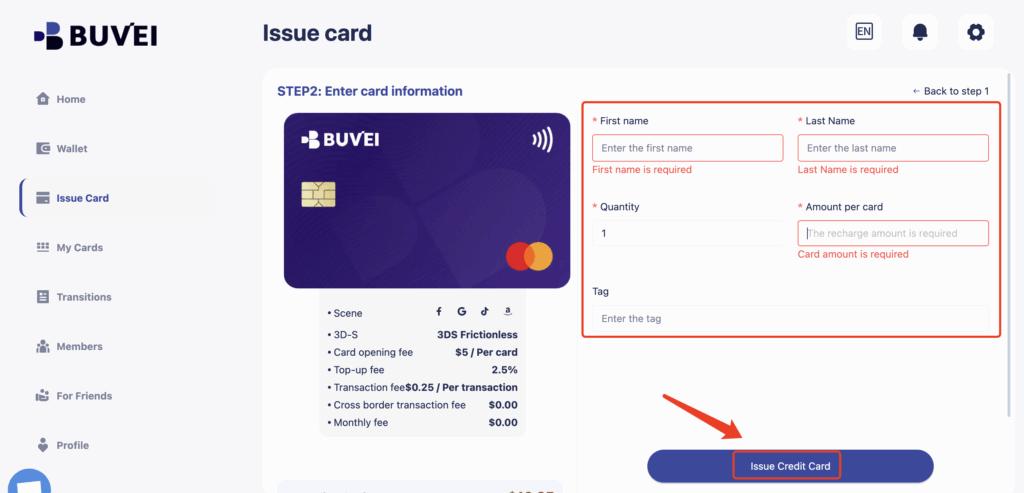
Enter card name, funding amount, and quantity
-
Click Issue Card
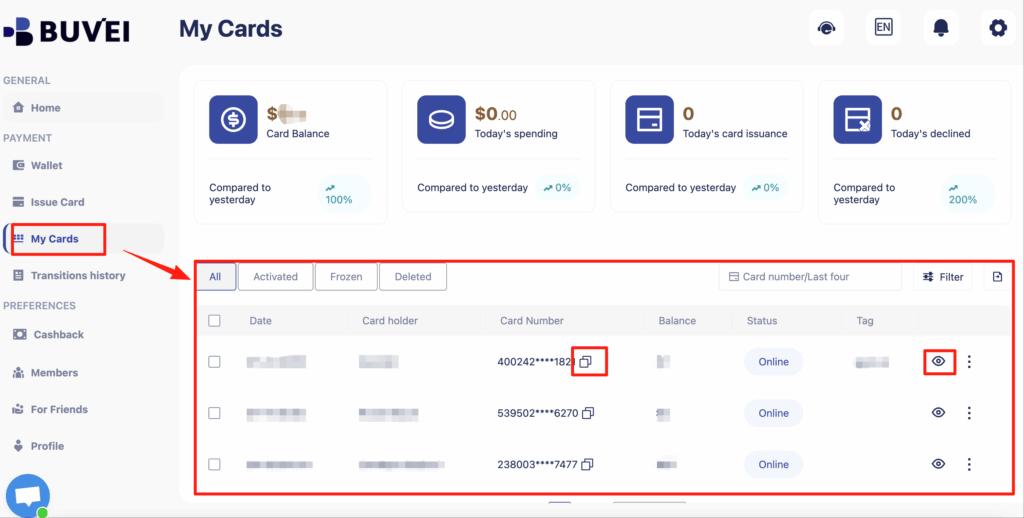
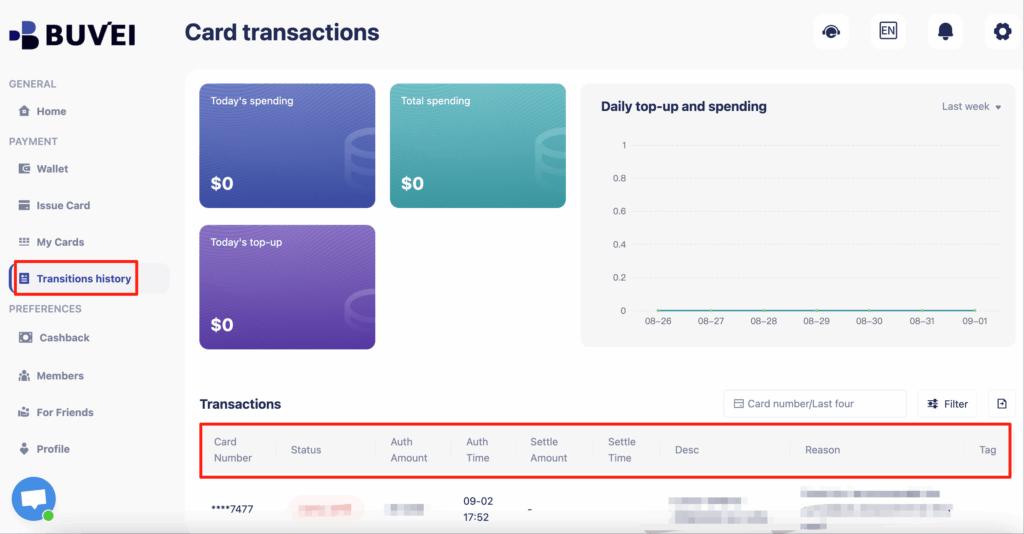
After issuance, visit My Cards to view your card number, expiration date, CVV, balance, and transaction history.
Step 4: Attempt Card Funding on KuCoin or Bybit
-
Select card payment / third-party provider inside the exchange
-
Enter your Buvei virtual card details
-
Start with small test amounts
-
Avoid repeated failed attempts within a short period
Success depends on the specific payment channel, region, and current compliance rules.
Limits, Fees, and Authorization Holds
When using virtual cards for crypto funding, users should be aware of:
-
Authorization holds that temporarily lock funds
-
Daily or per-transaction limits set by the payment processor
-
Possible processing fees charged by third parties
-
Delayed settlement or partial refunds if transactions fail
These behaviors are normal in card-to-crypto transactions and not specific to Buvei.
What to Do If Card Funding Is Blocked
If your virtual card is declined or blocked:
-
Stop repeated attempts to avoid risk flags
-
Create a new virtual card instead of reusing the failed one
-
Switch to a different funding channel within the exchange
-
Use virtual cards primarily for subscriptions, SaaS, or online services, not frequent crypto on-ramps
For regular crypto funding, bank transfers or licensed fiat gateways are usually more stable.

Final Thoughts
Virtual cards can be useful for occasional crypto funding, but they are not designed to replace traditional on-ramps for active trading. Understanding the risk profile is essential.
With Buvei, users gain flexibility, fast issuance, and detailed spending visibility—making it a practical option for controlled, low-risk card usage in crypto-related scenarios. Used correctly, virtual cards can complement, not replace, your broader funding strategy on KuCoin and Bybit.