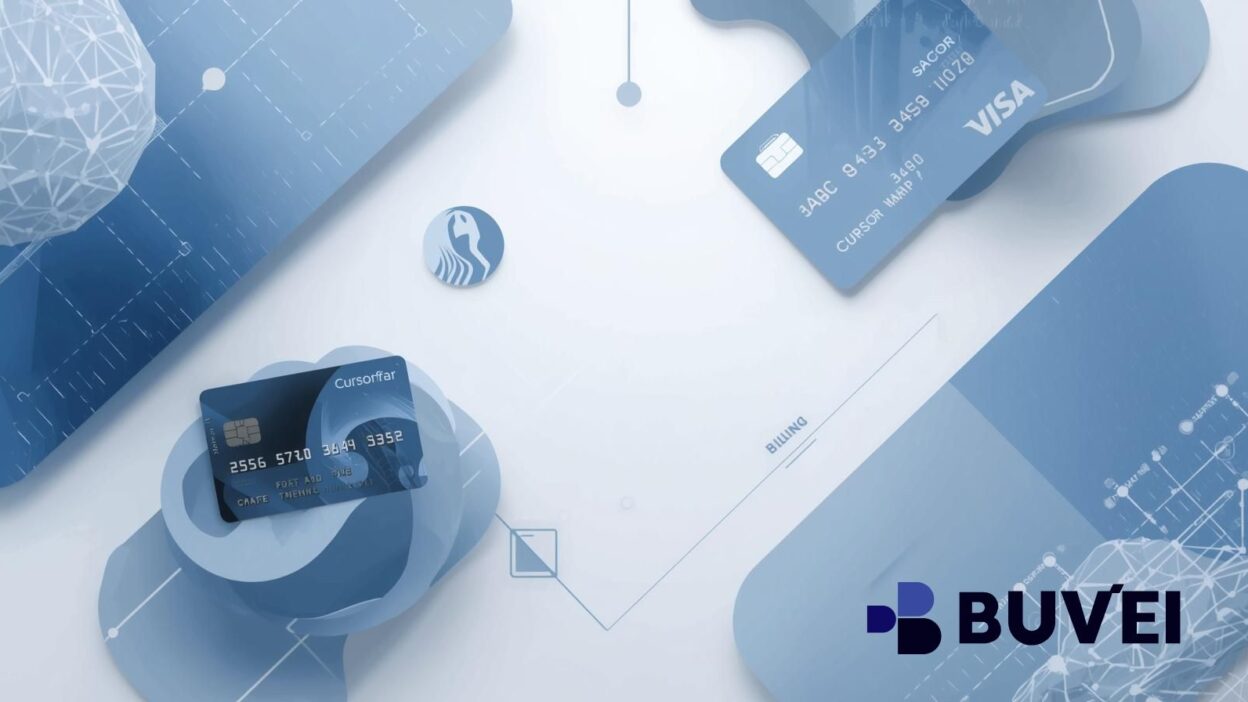
As AI-powered developer tools like Cursor and Warp become part of everyday workflows, subscriptions are no longer optional — they’re essential.
However, many developers quickly run into one frustrating issue: payment failures, especially when using virtual cards.
In this guide, we’ll break down how Cursor and Warp handle billing, why virtual cards often fail, and — most importantly — how to set up a virtual card that actually works for AI tool subscriptions.
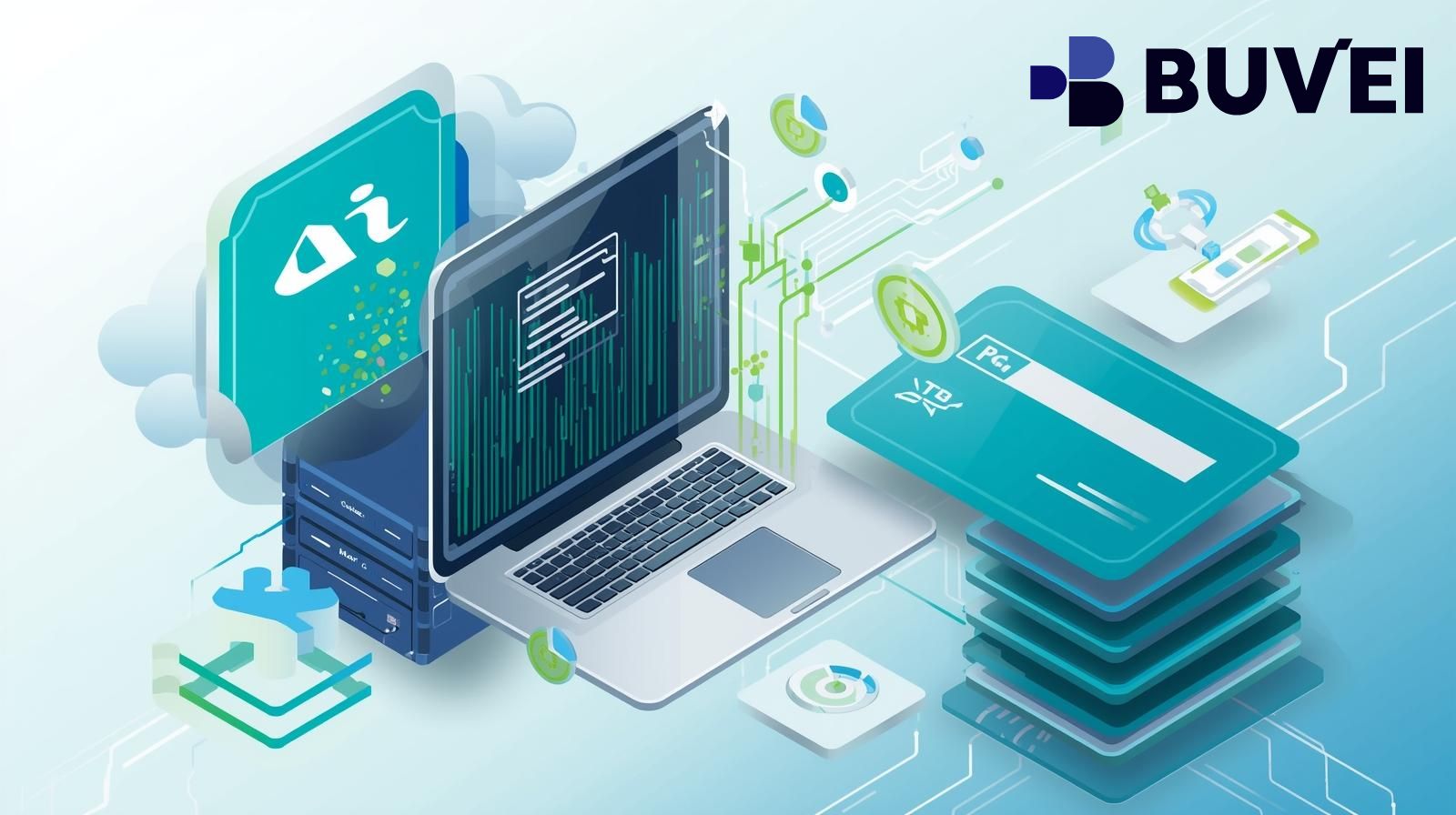
How Cursor and Warp Handle Developer Subscription Billing
Both Cursor and Warp follow a familiar SaaS billing model:
-
Monthly or annual recurring subscriptions
-
Automatic renewals
-
Card-based payments processed through global payment gateways
At first glance, this seems simple. But behind the scenes, these platforms apply strict risk and compliance checks, especially for:
-
Cross-border payments
-
Non-traditional card issuers
-
Cards funded via crypto or fintech platforms
As a result, not all cards — especially low-quality virtual cards — pass their approval filters.
What AI Tool Billing Actually Requires from a Payment Card
For recurring AI SaaS billing, payment systems typically expect:
-
Stable BINs (preferably U.S.-issued Visa or Mastercard)
-
Support for recurring transactions
-
Consistent authorization behavior over time
-
Transparent merchant descriptors
-
Low chargeback and fraud history
If a card fails in any of these areas, it may work once — then fail on renewal.
Why Virtual Cards Often Fail for Developer Tools
Virtual cards are popular with developers for good reason: privacy, flexibility, and cost control.
Still, many fail on Cursor or Warp due to common issues:
-
❌ Unsupported BIN regions
-
❌ One-time or disposable card configurations
-
❌ Insufficient balance during renewal
-
❌ Inconsistent authorization rules
-
❌ Cards flagged as “high-risk fintech issuers”
In short, not all virtual cards are built for recurring SaaS billing.
What Makes a Virtual Card Reliable for Cursor and Warp
A reliable virtual card for AI tools should offer:
-
Multiple BIN options, including U.S. BINs
-
Compatibility with developer tools and AI platforms
-
Clear control over spending limits
-
Support for long-term subscriptions
-
Transparent fees and real-time balance tracking
This is exactly where platforms like Buvei stand out.\
Final Thoughts
AI developer tools are moving fast — and billing systems are getting stricter.
If your virtual card keeps failing on Cursor or Warp, the issue usually isn’t the platform. It’s the card.
By choosing a BIN-flexible, SaaS-compatible virtual card like Buvei, developers gain:
-
Higher payment success rates
-
Better control over subscriptions
-
Stronger privacy and security
-
Fewer surprises at renewal time
For developers who rely on AI tools daily, a reliable virtual card isn’t just convenient — it’s critical.