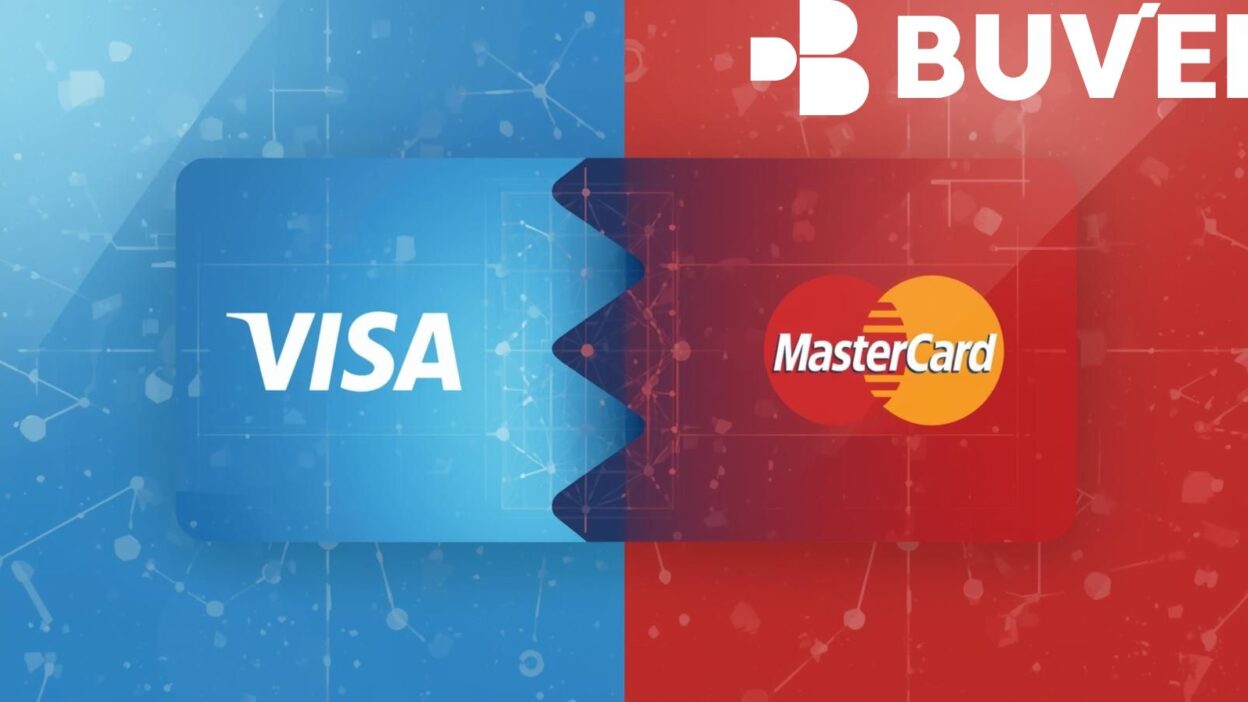
The shift towards digital and online commerce has made financial security more crucial than ever. Virtual cards have emerged as a powerful tool to protect your finances in the digital realm. Both Visa and Mastercard, the two global payment giants, offer their own versions of virtual cards. While they share a common goal of enhancing security, there are distinct differences in their features, benefits, and availability. This comprehensive guide will dissect the specifics of Visa and Mastercard virtual cards, providing you with the knowledge to choose the right solution for your needs. 
Understanding the Core Technology and Security
At their core, both Visa and Mastercard virtual cards function on the same principle: they are digitally generated card numbers that are linked to your primary physical credit or debit card account. Instead of exposing your real card number online, you use a unique, alternate 16-digit number for transactions. This single feature is the bedrock of their security.
-
Visa Virtual Cards: Visa’s solution often emphasizes tokenization. This process replaces your sensitive card details with a unique digital identifier, or "token," for each transaction or merchant. Even if a data breach occurs, the stolen token is useless elsewhere. Many Visa virtual cards also allow users to set specific spending limits and expiration dates, adding layers of financial control.
-
Mastercard Virtual Cards: Mastercard employs a similar, robust security model, frequently integrating its Digital Enablement Service (MDES). This platform securely tokenizes cards for use in digital wallets and for generating virtual card numbers. A key feature often associated with Mastercard is the ability to create single-use virtual cards. These are designed for one transaction only and then become invalid, offering the highest level of security for one-off purchases on unfamiliar websites.
Credibility Enhancement: Both companies invest billions in cybersecurity and their protocols are certified by international payment security standards (PCI DSS). Mentioning these established security frameworks adds significant authority to the discussion.
Key Feature Comparison: Accessibility and Control
The implementation of virtual cards is largely dependent on your bank or card issuer, not solely on Visa or Mastercard. However, the networks provide the underlying technology and a set of potential features that issuers can choose to offer.
-
Creation and Management: Typically, you create and manage your virtual card through your bank’s mobile app or online banking portal. The user experience, therefore, varies by financial institution.
-
Spending Controls: Both networks support features that let you set custom spending limits and expiration dates for your virtual cards. This is ideal for subscription trials, where you can set a low limit and a short expiry to prevent unexpected renewals.
-
Merchant Lock: A feature more commonly highlighted by Mastercard issuers is the merchant lock, which allows you to generate a virtual card that works only with a specific retailer. If that merchant's system is compromised, the card number cannot be used anywhere else.
-
Integration: Visa virtual cards are often seamlessly integrated into Visa Checkout (and its successor services), while Mastercard’s are commonly found within Mastercard’s own digital payment ecosystems.
Acceptance and Global Reach
When it comes to where you can use your virtual card, the network brand matters. Both Visa and Mastercard have immense global acceptance, but there can be regional variations.
-
Visa Acceptance: Visa often boasts one of the largest global acceptance networks, particularly strong in North America and Asia-Pacific. For frequent online shoppers on international sites, a Visa virtual card is likely to be accepted almost universally.
-
Mastercard Acceptance: Mastercard’s acceptance network is similarly vast and is particularly robust in Europe and other regions. The difference in acceptance between the two is often negligible for major online retailers, but it can be a factor for smaller, region-specific websites.
Ultimately, the acceptance of your virtual card depends on whether the merchant accepts Visa or Mastercard payments in general. It is always prudent to have a backup option from the other network if you frequently shop on a diverse range of international sites.
Which Virtual Card Is Right for You?
Choosing between a Visa and Mastercard virtual card is less about the core technology and more about the specific implementation by your bank and your personal spending habits.
Choose a Visa Virtual Card if:
-
Your primary bank offers a feature-rich Visa virtual card through its app.
-
You value strong integration with other Visa services and digital wallets.
-
You frequently shop on sites where Visa is the prominently displayed payment option.
Choose a Mastercard Virtual Card if:
-
Your card issuer provides a Mastercard with a single-use card number feature.
-
The ability to lock a card to a single specific merchant is important to you.
-
You travel or shop online in regions where Mastercard acceptance is notably strong.
The most critical step is to contact your bank to understand which virtual card features they support for your specific account. The best virtual card is the one that offers the security controls you need from a financial institution you trust.

Conclusion
Both Visa and Mastercard virtual cards represent a significant advancement in secure online payments. They effectively create a protective shield between your primary bank account and potential digital threats. While their underlying security principles are similar, the specific features—such as single-use numbers, merchant locks, and spending controls—can vary based on the network and, more importantly, your card issuer. By understanding these nuances and evaluating your own online shopping behavior, you can confidently select the virtual card that best safeguards your financial data and provides peace of mind in the digital marketplace.