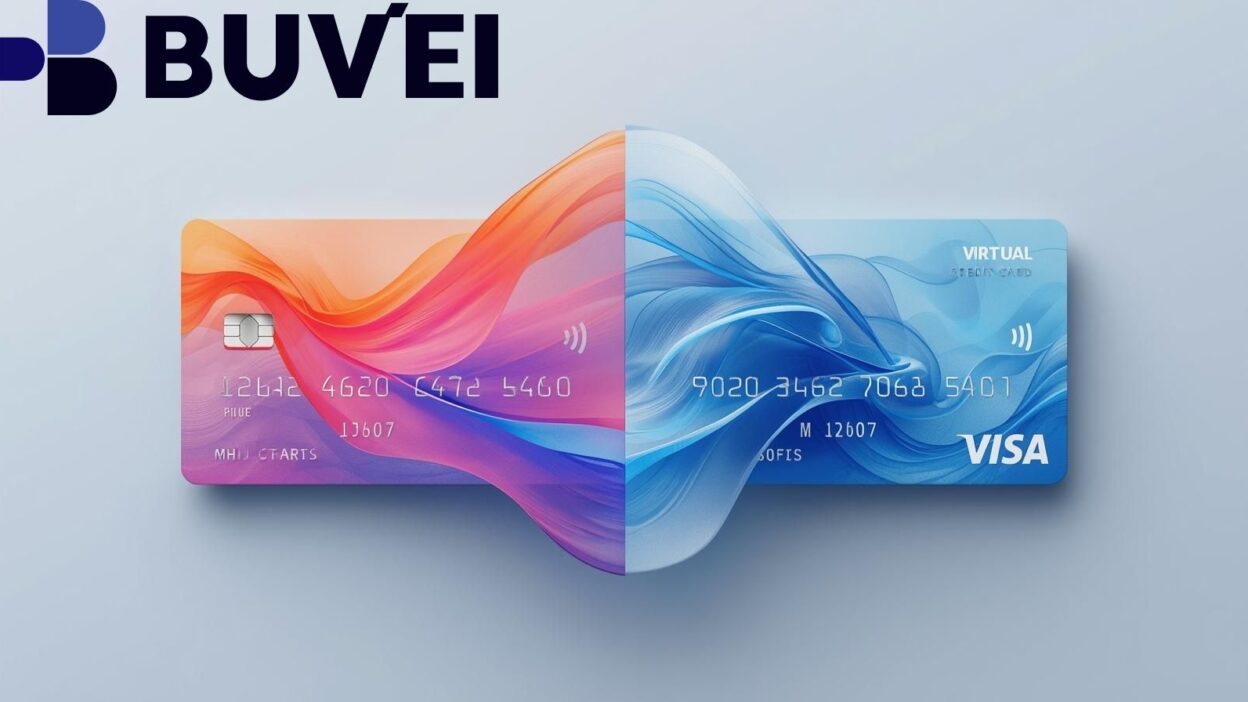
In an era of digital commerce, safeguarding your financial information is paramount. Virtual credit cards (VCCs) have emerged as a powerful tool for enhancing online security and streamlining transactions. Unlike physical plastic, a virtual credit card is a digitally generated card number that is linked to your primary credit card or bank account. The promise of acquiring one instantly is a major draw for consumers seeking immediate protection for their online purchases. This guide will explain exactly how to get a virtual credit card instantly, outline the primary providers, and detail the significant benefits and considerations.
What is a Virtual Credit Card and How Does It Work?
A virtual credit card is a unique, randomly generated 16-digit number that acts as a stand-in for your actual credit card details. It is designed for online, over-the-phone, or in-app transactions. When you use a VCC, the merchant only sees the virtual number, while the actual charge is routed to your linked funding source. This creates a secure barrier between your sensitive financial data and potential threats.
The core functionality of most VCCs revolves around customizable security controls. You can typically set parameters such as a single-use limit, a specific spending limit, or an expiration date that is much shorter than your physical card's validity. Some services even allow you to create merchant-specific cards. If a virtual card number is compromised in a data breach, the damage is contained. You can simply cancel that specific virtual number without affecting your main account or having to request a replacement physical card.
Primary Methods to Get a Virtual Card Instantly
Several reputable financial service providers offer the ability to generate virtual cards immediately upon approval. The "instant" aspect typically refers to the card generation process, not necessarily the initial account setup, which may require a brief verification.
Method 1: Through Your Existing Bank or Card Issuer
Many major financial institutions have integrated virtual card technology directly into their mobile apps and online banking platforms. If your bank offers this feature, you can often generate a new virtual card number in seconds. The process usually involves logging into your account, navigating to the card services section, and selecting an option to create a virtual card. This method is highly convenient as it keeps all your financial management within one ecosystem.
Method 2: Using Dedicated FinTech Apps and Services
A growing number of FinTech companies specialize in providing virtual cards. Services like Privacy.com, Revolut, and Capital One's Eno (for eligible customers) are popular examples. These platforms are designed from the ground up for digital finance. After a quick sign-up and account verification process, which often includes linking a funding bank account, you can generate virtual cards instantly. These services are particularly valuable for individuals whose primary banks do not yet offer virtual card functionality.
Method 3: Linking with Digital Wallets
Digital wallets like Apple Pay, Google Pay, and Samsung Pay also utilize a form of virtual card technology. When you add your physical card to a digital wallet, the wallet creates a unique Device Account Number (a virtual card) that is tokenized and used for transactions. This number is what is transmitted to the merchant, not your actual card number. While you cannot always see or manage this number separately,
Key Benefits of Using a Virtual Credit Card
The advantages of using VCCs extend far beyond mere convenience.
Enhanced Security and Fraud Prevention: This is the most significant benefit. By masking your real card number, you drastically reduce the risk of your primary financial account being compromised. Even if a hacker intercepts your virtual card details, the predefined spending limits and the ability to lock or close the card instantly minimize potential losses.
Superior Control Over Subscriptions and Free Trials: Virtual cards are an excellent tool for managing recurring payments. You can create a card with a low spending limit specifically for a subscription service. If you decide to cancel the service but continue to be charged, you can simply close the virtual card, effectively blocking the merchant from drawing further funds. This prevents unwanted charges and difficult cancellation processes.
Simplified Budgeting for Specific Expenses: For individuals or businesses, VCCs allow for precise budget allocation. You can create a separate virtual card for online advertising, a different one for software subscriptions, and another for general online shopping. This makes tracking expenses for specific projects or categories straightforward and transparent.
Important Considerations and Limitations
While powerful, virtual credit cards are not a universal solution and come with certain limitations.
General Acceptance Issues: Virtual credit cards are widely accepted by most online merchants. However, there can be exceptions. Some older payment systems may not process them correctly. Furthermore, they are inherently unsuitable for transactions that require a physical card to be presented, such as at hotel check-in counters or car rental agencies.
The Challenge of Returns and Refunds: This is a common hurdle. If you need to return an item purchased with a single-use virtual card, the refund process can be complicated. The merchant may attempt to refund the closed card number, causing the refund to fail or be delayed. For returns, it is often better to use a multi-use virtual card that remains open until the return is processed.
Understanding Provider Terms and Fees: Not all virtual card services are free. While many banks and basic FinTech plans offer them at no cost, some premium services may charge monthly fees or transaction fees. It is crucial to read the terms and conditions of your specific provider to understand any potential costs, funding source requirements, or usage restrictions.

Conclusion
Obtaining a virtual credit card instantly is a practical and highly effective strategy for anyone who shops or conducts business online. By providing a dynamic shield for your financial data, VCCs offer unparalleled control, security, and peace of mind. Whether you secure one through your existing bank, a dedicated FinTech app, or a digital wallet, integrating this tool into your online financial habits is a proactive step toward safeguarding your assets in the digital age. Before choosing a provider, carefully weigh the benefits against the limitations to ensure it aligns with your spending patterns and security needs.