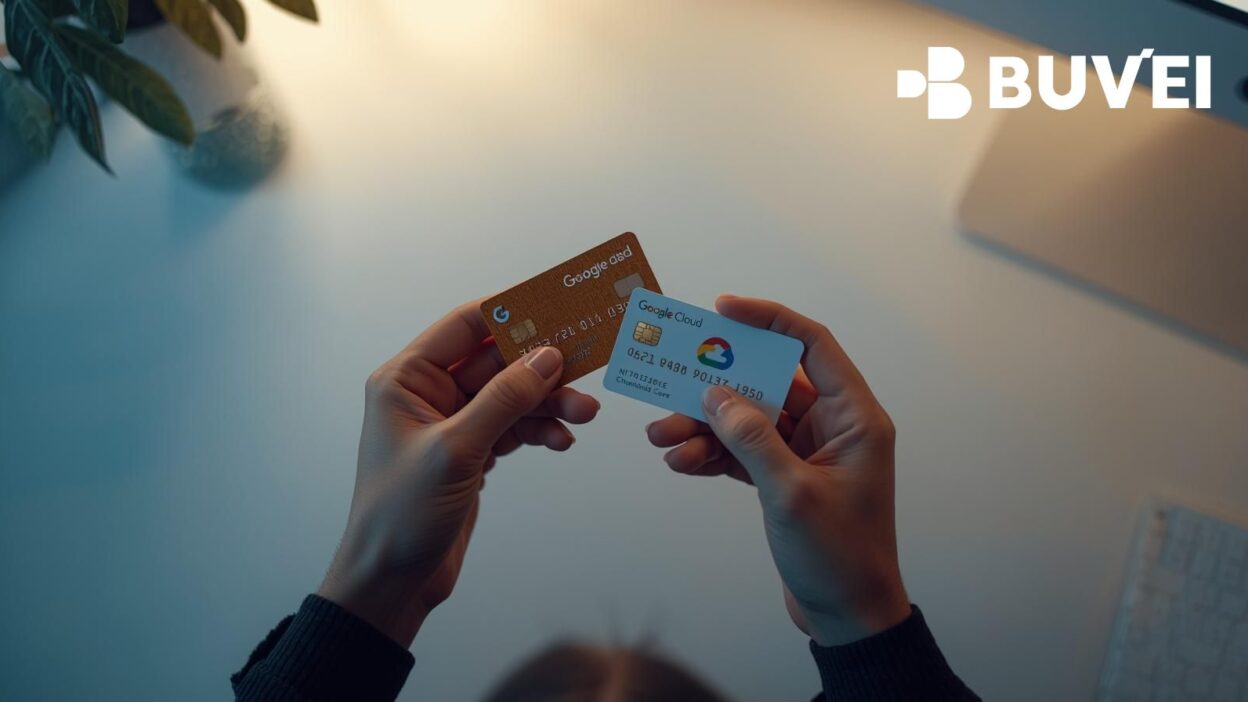
The digital transformation of finance has revolutionized how we pay for goods and services. While consumer payments have rapidly evolved, the B2B payment landscape has often lagged, relying on inefficient and insecure methods like paper checks and manual invoice processing. The Visa Virtual Card Platform is a powerful solution designed specifically to modernize commercial payments. It replaces physical plastic with unique, digital card numbers, offering unprecedented levels of security, control, and efficiency for businesses of all sizes. This guide provides everything you need to know about this transformative payment technology.
What is a Visa Virtual Card?
A Visa Virtual Card is not a physical piece of plastic. It is a unique 16-digit card number, complete with a security code (CVV2) and expiration date, generated digitally for a specific transaction, merchant, or spending limit. It leverages the global acceptance of the Visa network but exists purely in a digital form.
These virtual cards are typically created and managed through a platform provided by your bank or a specialized payment provider that is connected to the Visa Virtual Card Platform. There are several types, each designed for different use cases:
-
Single-Use Cards: Ideal for one-time transactions. The card number becomes invalid after the first successful authorization, making it perfect for online purchases where you are concerned about data breaches.
-
Merchant-Locked Cards: The card can be used multiple times, but only with a pre-defined merchant. This is excellent for recurring subscriptions or ongoing supplier relationships.
-
Limit-Specific Cards: These cards are created with a strict spending limit and expiration date, providing firm control over budgets for employee expenses or project-based spending.
The core principle is controlled spending. By issuing virtual cards instead of traditional corporate cards, businesses can move away from a one-card-fits-all approach to a tailored, data-rich payment strategy.
Key Benefits: Security, Control, and Efficiency
The adoption of Visa Virtual Cards is driven by three fundamental advantages that address critical pain points in business operations.
Enhanced Security
Traditional credit card numbers, once compromised, can be used fraudulently across multiple merchants until the card is canceled. Virtual cards mitigate this risk entirely.
-
Reduced Data Exposure: Using a single-use virtual card for an online purchase means that even if a merchant's system is breached, the stolen card number is useless for any other transaction.
-
Elimination of Misuse: A card locked to a specific merchant cannot be used at a gas station or department store if it is stolen or misappropriated. This drastically reduces the potential for internal fraud or accidental misuse.
Granular Spending Control
Finance managers gain precise control over company spending before it happens, not just during reconciliation.
-
Pre-Set Limits: You can assign a maximum amount to a virtual card, ensuring a vendor is paid exactly what was agreed upon, with no overages.
-
Expiration Dates: Cards can be set to expire in days or weeks, preventing them from being used for unauthorized purposes after a project is complete.
-
Merchant Restrictions: Locking a card to a specific merchant category code (MCC) or even a single merchant name ensures funds are used only for their intended purpose.
Operational Efficiency and Streamlined Reconciliation
Manual payment processes are time-consuming and prone to human error. Virtual cards automate and simplify these tasks.
-
Rich Data Transmission: Virtual card transactions can carry detailed Level 2 and Level 3 data. This goes beyond the basic transaction amount and includes line-item details like item descriptions, quantities, and tax amounts.
-
Simplified Accounting: This enriched data flows directly into your accounting or Enterprise Resource Planning (ERP) system, automatically matching transactions to specific invoices and purchase orders. This eliminates manual data entry and significantly speeds up the reconciliation process.
Primary Use Cases for Businesses
The flexibility of the Visa Virtual Card Platform makes it suitable for a wide range of business applications.
Accounts Payable and Supplier Payments
Replacing paper checks and Automated Clearing House (ACH) transfers with virtual cards for supplier payments offers significant benefits. Suppliers get paid faster, and the issuing company can earn rebates on their spending. The detailed transaction data also simplifies the audit trail for accounts payable departments.
Controlled Employee Expenditures
For employee travel, entertainment, or project-related expenses, virtual cards are superior to traditional corporate cards or expense reimbursements. A manager can issue a card with a set limit for a specific business trip. The employee can use it for flights, hotels, and meals without the risk of personal spending or exceeding the budget.
Online Procurement and Subscriptions
Managing recurring software subscriptions or one-off online purchases is a common challenge. By creating merchant-locked cards for each software vendor, businesses can ensure that subscription costs do not creep up unexpectedly and that payments cease immediately if a service is canceled.
Travel Management
Integrating virtual cards with travel management platforms allows companies to issue unique cards for each booked itinerary. This provides travelers with the necessary funds while giving the finance team clear visibility into travel spending, directly linked to each trip.
The Future of Digital Payments with Virtual Cards
The Visa Virtual Card Platform is not a static product; it is evolving to meet the demands of an increasingly digital and automated economy. The future points toward deeper integration and smarter functionality.
-
API-Driven Integration: The platform's APIs will allow for even smoother integration with a wider array of financial software, procurement systems, and ERP platforms. This will enable the automated creation and settlement of virtual cards directly within a company's existing workflow.
-
Real-Time Payments and Settlement: As global payment infrastructures move toward real-time settlement, virtual cards are poised to adapt, offering businesses immediate payment confirmation and improved cash flow management.
-
Dynamic Credit Limits: Instead of static limits, we may see the emergence of AI-driven systems that can adjust virtual card limits dynamically based on real-time risk assessment and spending patterns.
-
Expansion into New Verticals: While currently dominant in B2B, the underlying technology of secure, single-use digital card numbers is highly applicable to consumer markets, particularly for e-commerce and protecting against subscription fraud.
Conclusion
The Visa Virtual Card Platform represents a significant leap forward in commercial payment technology. By moving beyond the physical card, it offers a powerful trifecta of enhanced security, unprecedented financial control, and dramatically improved operational efficiency. For businesses seeking to reduce fraud, streamline accounts payable, and gain deeper insights into their spending, virtual cards are no longer a futuristic concept but a practical, essential tool. As the digital economy continues to grow, adopting this technology is a strategic step toward a more secure, controlled, and data-driven financial future.