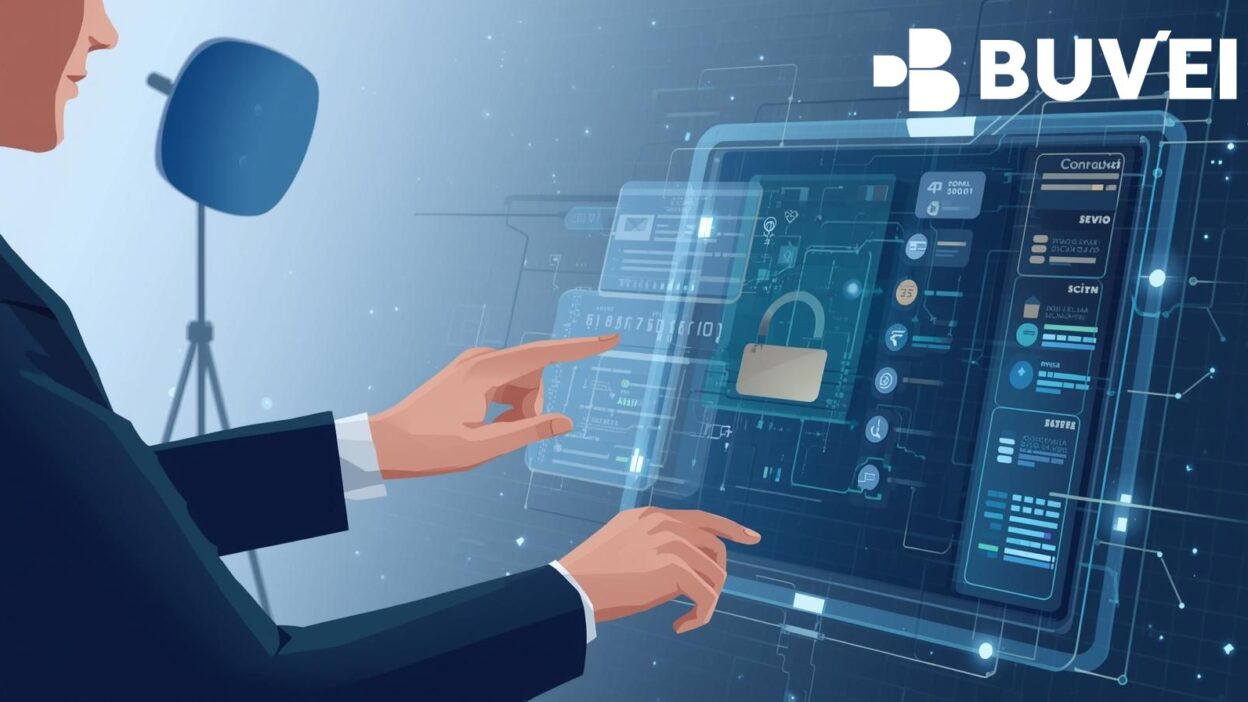
In the Philippines, the shift toward digital payments has accelerated rapidly, driven by e-commerce growth and the increasing demand for secure online transactions. Virtual cards have emerged as a convenient solution for residents and businesses alike. These digital payment cards provide a secure alternative to traditional credit and debit cards, allowing users to make online payments without exposing their primary bank account. Whether you are shopping online, subscribing to services, or managing corporate expenses, virtual cards in the Philippines offer flexibility, security, and control over spending.
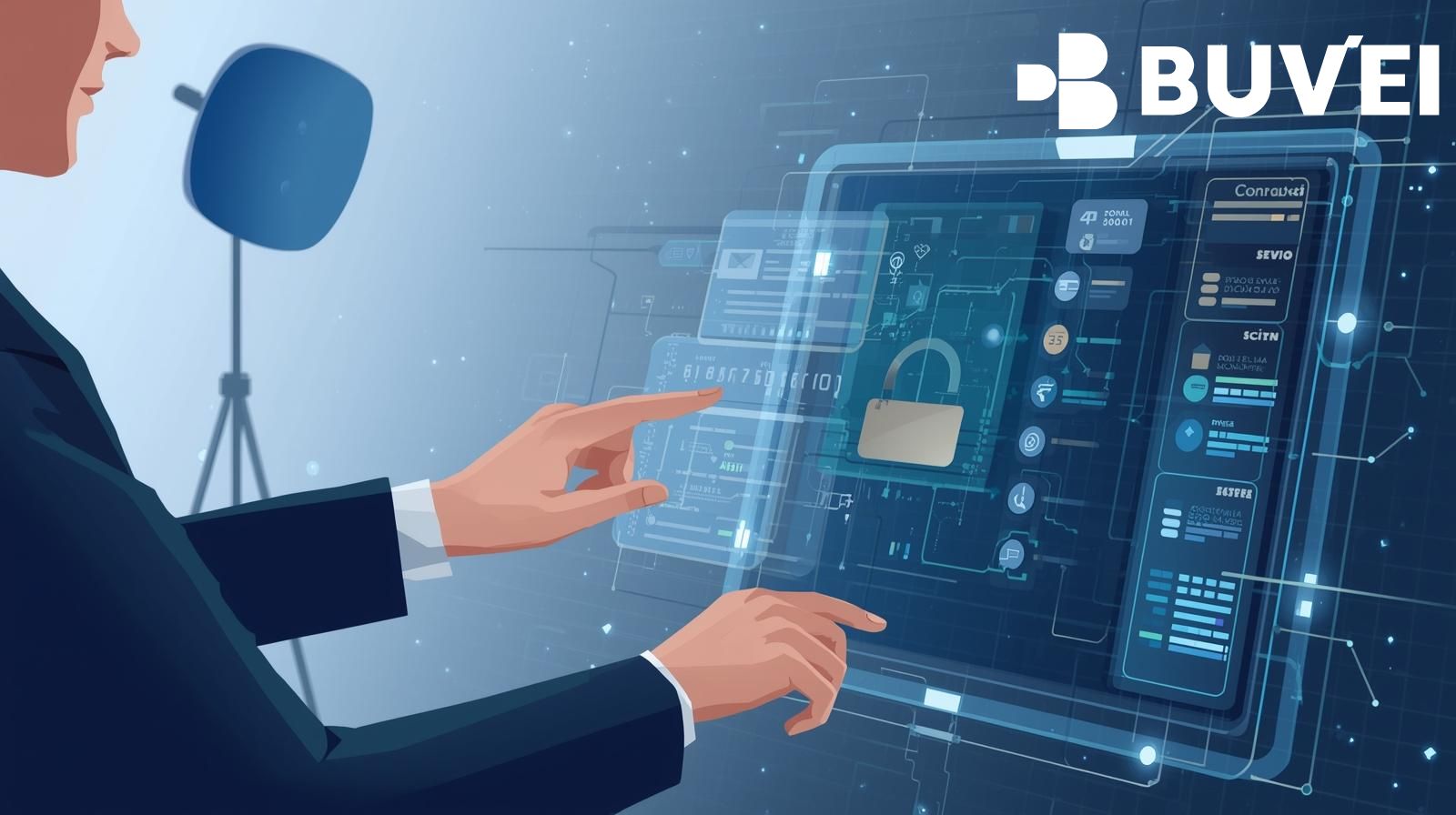
Prepaid Virtual Cards for Individuals
Prepaid virtual cards are among the most accessible options for everyday online payments. Filipino users can load these cards with a fixed amount of money, ensuring that spending is controlled and limits are maintained.
Key benefits:
-
Security: Protects your main bank account from online fraud.
-
Control: Users can top up the card with only the required amount for a transaction.
-
Accessibility: Many banks and fintech apps in the Philippines now offer instant issuance of virtual cards.
Popular platforms: Local banks and digital wallets like GCash and PayMaya offer virtual card services, allowing seamless integration with online shopping platforms.
Corporate and Business Virtual Cards
For businesses operating in the Philippines, virtual cards simplify expense management and enhance security. Companies can issue cards to employees for specific purposes, track transactions in real-time, and avoid the risks associated with physical card misuse.
Advantages for businesses:
-
Real-time tracking: Monitor employee spending and enforce budgets.
-
Integration: Works with accounting and expense management software.
-
Fraud prevention: Reduce exposure to card-not-present fraud.
Businesses can also leverage multi-currency virtual cards for international payments, a significant advantage for companies dealing with global suppliers or services.
Virtual Cards for Online Shopping and Subscriptions
Many Filipino users rely on virtual cards for e-commerce platforms and subscription services. These cards are ideal for platforms like streaming services, gaming subscriptions, and international online stores.
Key points:
-
Instant activation: Most virtual cards can be generated instantly through digital wallets or banks.
-
Limited use: Cards can be set with a spending limit to prevent overspending.
-
Global usability: Some virtual cards are compatible with international payment systems, allowing access to foreign e-commerce sites.
This ensures secure and convenient online transactions while minimizing the risk of overcharging or fraud.
Security and Best Practices
While virtual cards inherently improve online security, users should adopt best practices to maximize protection:
-
Use one-time cards for single transactions to prevent repeated unauthorized use.
-
Enable notifications for all transactions to monitor activity in real-time.
-
Link cards with trusted platforms and avoid sharing card details over unsecured channels.
-
Regularly update passwords and authentication methods associated with your digital wallets.
These practices help maintain control over your finances and reduce the risk of cyber threats.

Conclusion
In the Philippines, virtual cards have become an essential tool for secure, efficient, and flexible online payments. Whether for individual spending, business management, or international shopping, these cards offer unmatched convenience and protection. By understanding the types of virtual cards available and implementing smart security practices, Filipino users can confidently navigate the digital economy while keeping their financial information safe.
Investing in a reliable virtual card is no longer optional—it is a key step toward modern, secure, and hassle-free online financial management.