When Digital Payments Evolve: Virtual Cards vs. Traditional Credit Cards – Which Should You Choose in 2025?
As digital payments advance, choosing between virtual cards and traditional credit cards has become more important than ever. Whether you’re managing service subscriptions, shopping online, or protecting your financial data, understanding the differences between these two payment methods can help you make smarter financial decisions. In this article, we’ll explore the benefits, drawbacks, and ideal use cases of each – and help you determine which fits your lifestyle in 2025.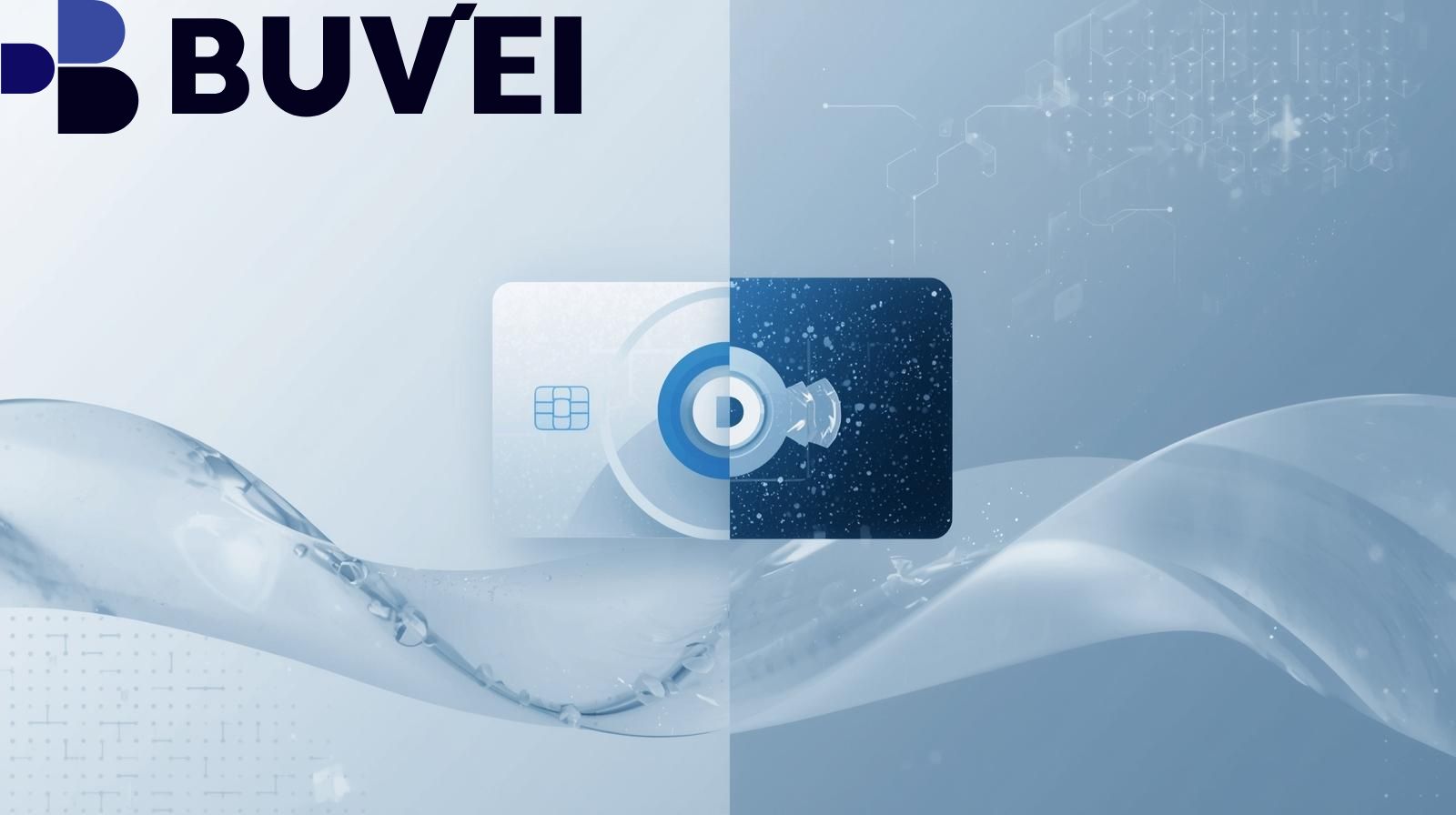
What Are Virtual Cards and How Do They Work?
A virtual card is a digital version of a physical credit or debit card. It includes a unique card number, expiration date, and CVV but exists entirely online. Virtual cards are typically issued through banking apps, fintech platforms, or virtual payment providers.
Unlike physical cards, virtual cards are temporary or one-time use. This means you can set spending limits, expiration dates, or even delete them after use. These features make them ideal for online shopping, recurring service subscriptions, or international transactions where security and privacy are top priorities.
What Are Traditional Credit Cards?
A traditional credit card is a physical plastic card issued by a bank or financial institution, allowing you to borrow money up to a credit limit. They have been a key part of personal finance for decades and are still widely accepted in both online and in-person transactions.
- Key advantages of traditional credit cards include:
- Universal acceptance – Ideal for both online and offline shopping worldwide.
- Credit building – Responsible use improves your credit score and financial credibility.
- Rewards programs – Earn cashback, points, or airline miles on all purchases.
- Purchase protection – Many cards include fraud liability insurance and dispute resolution.
However, traditional cards carry higher risks if lost or stolen, have slow replacement processes, and are more vulnerable to fraud when used online.
Virtual Cards vs. Traditional Credit Cards: Core Differences
| Feature | Virtual Cards | Traditional Credit Cards |
|---|---|---|
| Form | Digital-only | Physical card |
| Security | Temporary card numbers; safer for online use | Higher fraud risk if card details are stolen |
| Issuance speed | Instant (within apps) | Requires delivery time |
| Usage scope | Best for online or mobile payments | Works for both online and offline transactions |
| Rewards and credit | Limited rewards options | Full access to rewards programs |
| Control and limits | Adjustable per transaction | Fixed credit limit |
| Privacy | Hides main account information | Discloses permanent card number |
From this comparison, virtual cards stand out for security and convenience, while traditional credit cards excel in credit building, offline use, and rewards.
When Should You Use Each Type of Card?
Both card types serve different purposes, and savvy consumers often use them together to maximize benefits.
-
Use Virtual Cards When:
- Shopping on new or unverified websites.
- Paying for recurring services like Netflix, Spotify, or Amazon Prime.
- Making international online transactions where security may be uncertain.
- You want to limit risks to your main card.
-
Use Traditional Credit Cards When:
- Booking hotels, flights, or rental cars that require physical verification.
- You want to earn cashback or points on daily purchases.
- Building or maintaining a strong credit history.
- Shopping at physical stores without digital payment options.
Pro tip: Many users combine both – using virtual cards for online transactions and traditional credit cards for in-person shopping – merging security with convenience.

Conclusion
In 2025, the line between virtual cards and traditional credit cards continues to blur as more banks and fintech companies integrate digital flexibility with credit features. Virtual cards are revolutionizing online shopping by prioritizing privacy, security, and control, while traditional cards remain essential for credit management, rewards, and universal acceptance.
Ultimately, the best strategy isn’t choosing one over the other, but understanding how to use both effectively. By leveraging the strengths of each, you can achieve greater financial security, smarter budget management, and an optimal digital payment experience.