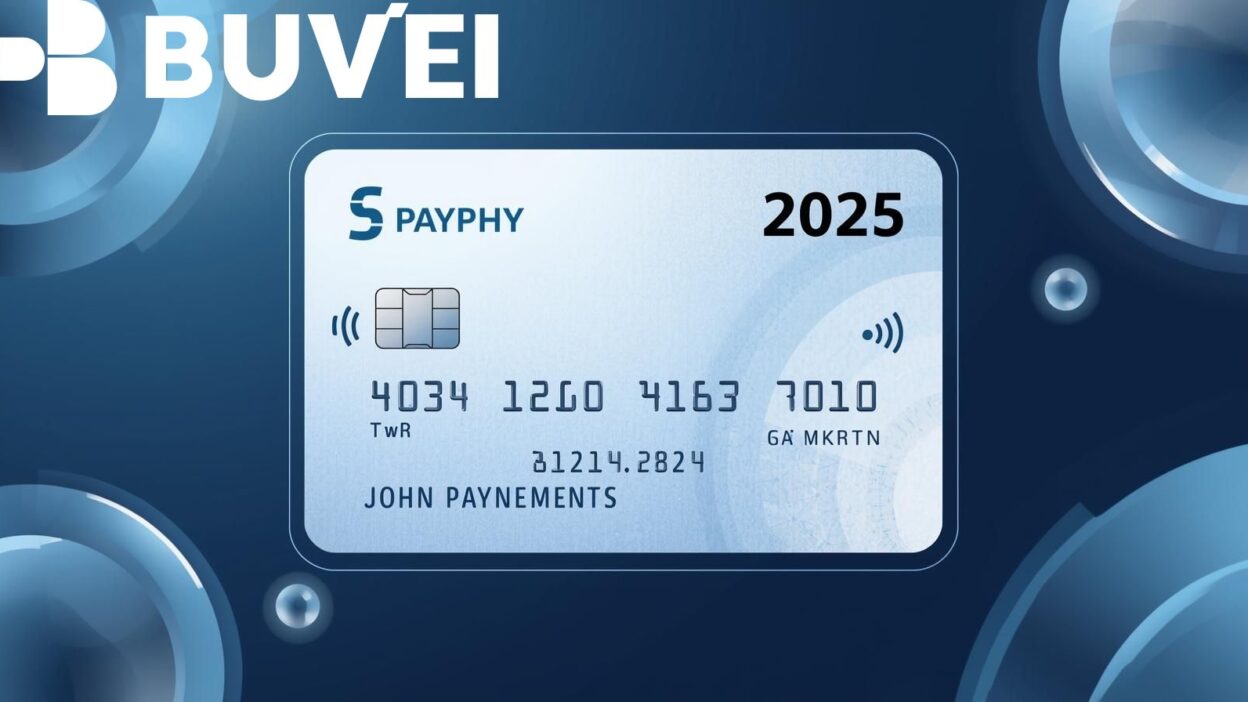
In a rapidly digitalizing economy, virtual payroll cards have emerged as one of the most efficient and flexible ways for businesses to manage salary disbursements. As remote work expands and international hiring becomes the norm, traditional banking channels often fall short in speed, accessibility, and cost efficiency. Virtual payroll cards bridge this gap, offering employers a streamlined solution for paying both local and cross-border employees securely and instantly.
This article explores what virtual payroll cards are, how they work, and the major advantages they bring to modern businesses, alongside practical tips for implementation and compliance. 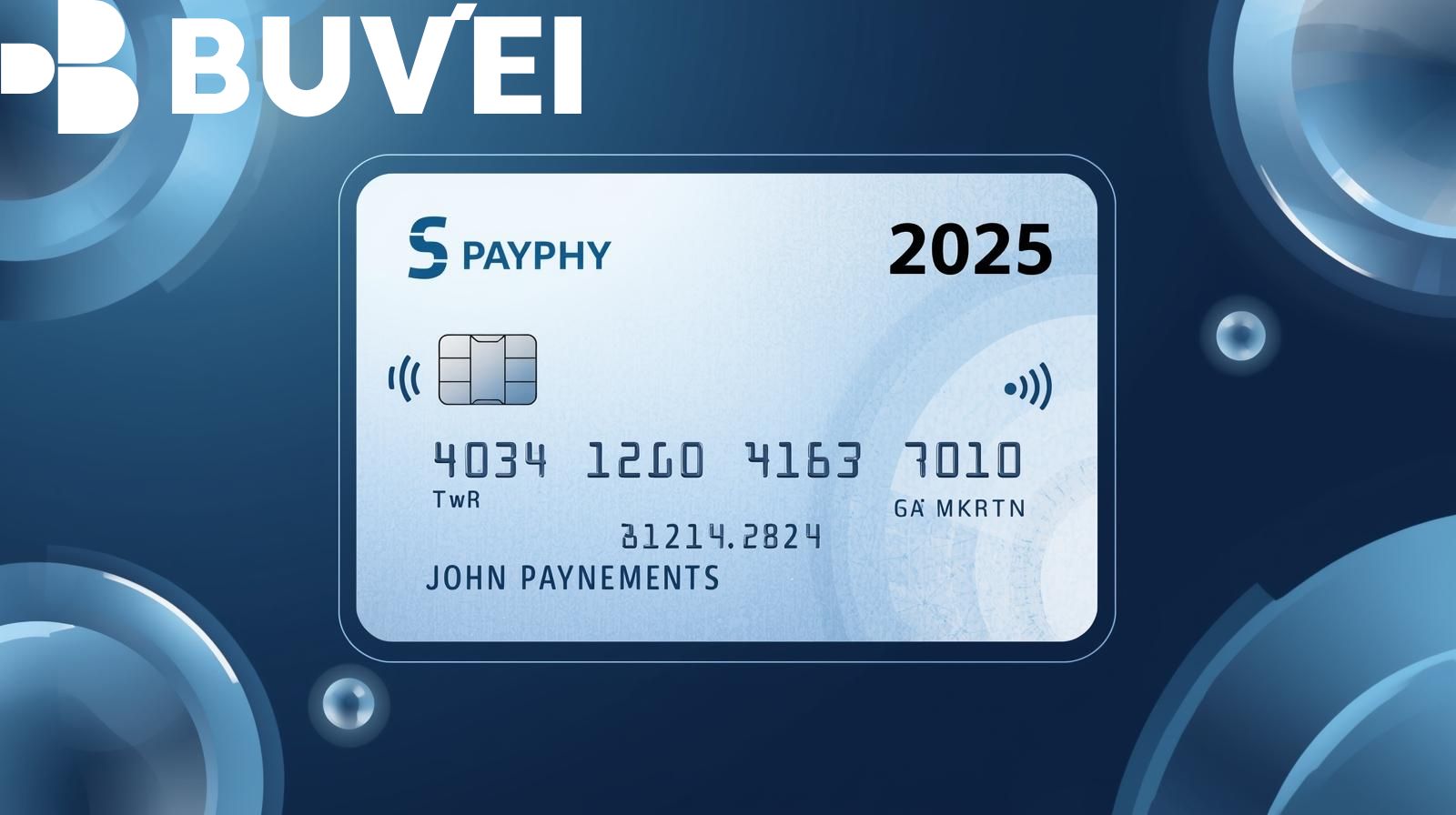
What Are Virtual Payroll Cards and How Do They Work?
Virtual payroll cards function as digital payment accounts issued to employees by their employers—usually through a fintech or payroll platform. Instead of receiving salaries via traditional bank transfers, employees are paid directly to their virtual card, which can then be used for online purchases, ATM withdrawals, or transfers to personal bank accounts.
These cards operate under major networks like Visa, Mastercard, or UnionPay, and can be managed via mobile apps or web dashboards. Employers can fund each employee’s card through their corporate account, automating payroll distribution across multiple regions and currencies.
This payment method is especially beneficial for companies with:
-
Distributed remote teams
-
Freelancers or contractors abroad
-
Employees without access to traditional banking
By digitizing payroll, businesses gain flexibility, lower transaction fees, and real-time payment tracking—all while improving the employee experience.
Key Benefits of Virtual Payroll Cards for Businesses
Implementing virtual payroll cards can transform how companies handle salary payments. Below are the main advantages:
(1) Cost Efficiency and Speed
Traditional bank transfers, especially international ones, often involve intermediary fees and delays. Virtual payroll cards reduce or eliminate these costs by leveraging global payment networks and real-time transfer technologies.
(2) Financial Inclusion
Not all employees—particularly freelancers or gig workers—have access to a traditional bank account. Virtual payroll cards solve this problem, allowing employers to pay workers instantly without requiring banking details.
(3) Simplified Administration
Managing multiple payroll systems for different countries can be complex. Virtual cards centralize disbursements on one platform, making it easier for finance teams to reconcile transactions, automate reporting, and stay compliant with local payment laws.
(4) Enhanced Security and Compliance
Each transaction is encrypted and tokenized, reducing the risk of data theft. Many providers comply with global standards like PCI DSS and GDPR, ensuring sensitive payroll data remains secure.
How to Implement Virtual Payroll Cards in Your Organization
For companies looking to transition from traditional payroll methods, the following steps can ensure a smooth implementation:
Step 1: Choose a Trusted Fintech Partner
Select a licensed provider offering multi-currency virtual cards, API payroll integration, and regulatory compliance. Look for partners like Buvei, Payoneer, Deel, or Wise Business, depending on your region and workforce size.
Step 2: Integrate with Payroll Systems
Your payroll software should be able to automatically fund virtual cards during each pay cycle. Ensure compatibility with ERP systems like QuickBooks, Xero, or FreshBooks.
Step 3: Educate Employees
Provide training and guidance on how employees can use their virtual payroll cards for spending, ATM withdrawals, or transfers. Clear communication builds trust and reduces onboarding friction.
Step 4: Monitor and Stay Compliant
Regularly review local labor and tax regulations, especially when paying overseas workers. Many countries require record-keeping and withholding reports, which can be automated through your fintech provider’s dashboard.
Global Trends and the Future of Payroll Digitization
The adoption of virtual payroll cards is accelerating across industries as businesses move toward borderless workforce management. Key trends include:
-
Integration with digital wallets like Apple Pay, Google Pay, and Alipay for seamless spending.
-
Cryptocurrency-linked payroll cards for faster international settlements.
-
AI-driven payroll compliance tools to adapt to evolving cross-border labor laws.
-
ESG-focused payroll policies, ensuring fair and transparent payments for global workers.
According to Deloitte’s 2025 Global Payroll Report, over 60% of multinational corporations are planning to digitize payroll processes entirely by 2026, citing lower costs and improved transparency as key drivers.

Conclusion
Virtual payroll cards are reshaping the way companies pay employees—offering a secure, flexible, and globally accessible alternative to traditional bank transfers. They empower organizations to streamline payroll operations, reduce costs, and enhance employee satisfaction while remaining compliant with international financial standards.
For modern businesses operating across borders, adopting virtual payroll cards is not just a convenience—it’s a strategic necessity for global growth.