Introduction
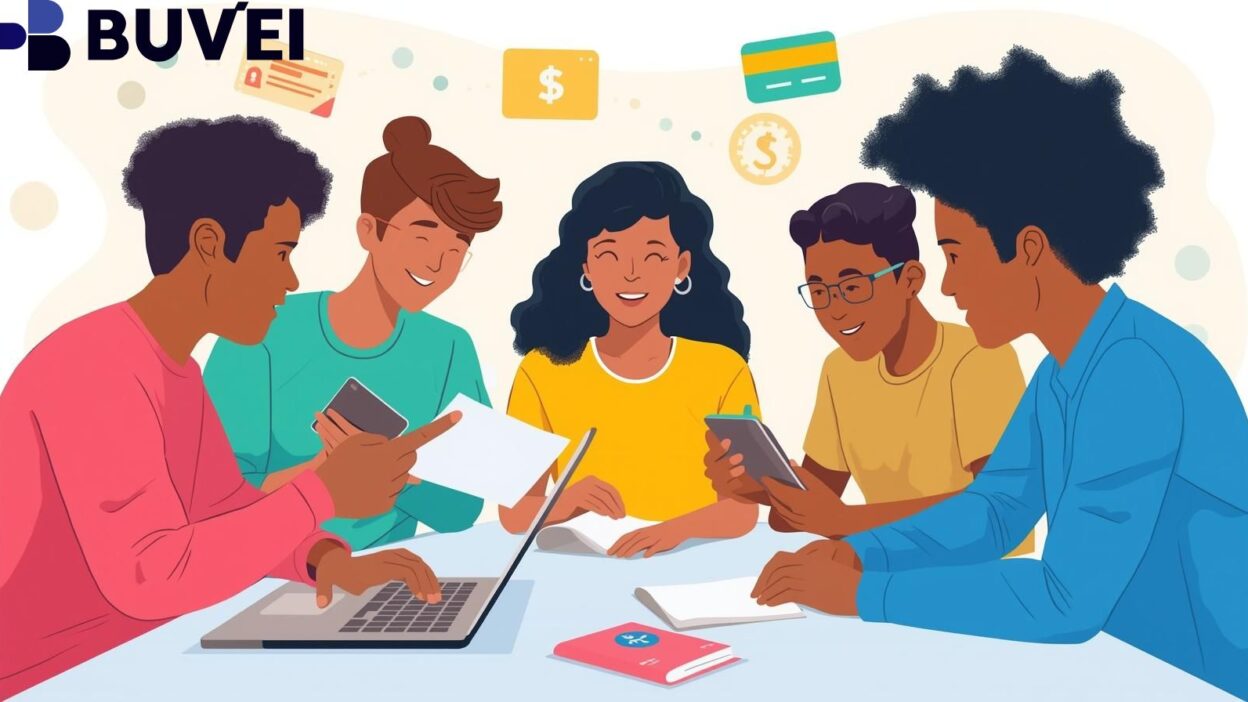
Financial literacy isn’t just an adult skill—it’s a lifelong necessity that should start early. Today’s digital-first generation handles money differently, relying more on online spending and less on physical cash. Teaching teens how to manage digital money responsibly is crucial. One effective tool to achieve this is the virtual card, which combines hands-on financial learning with real-world application.
By giving teens virtual cards with spending limits, parents and educators can help them learn budgeting, responsible spending, and digital payment safety—all within a secure, controlled environment.

1. Building Financial Responsibility Early
Traditional financial education often relies on theory—spreadsheets, lectures, and mock exercises. But virtual cards transform lessons into real experiences.
By setting a spending limit, parents can allow teens to practice decision-making without the risk of overspending. Teens learn how to prioritize needs over wants and how quickly small purchases add up. This hands-on approach builds a foundation of financial accountability that textbooks can’t match.
For example, a parent might give a teen $50 a month for personal expenses through a virtual card. Once the limit is reached, the balance won’t renew until the next cycle. This simple mechanism teaches budget control in a natural and impactful way.
2. Safe and Secure Digital Payments
Safety is a top concern when introducing teens to online transactions. Virtual cards add a strong layer of protection since they don’t expose actual bank details during purchases.
Platforms like Buvei make this even more secure. Buvei’s virtual cards comply with PCI DSS international payment standards, ensuring that every transaction is encrypted and private. With unique card numbers for each user and the ability to lock or delete cards anytime, parents can safeguard their teen’s financial activity while still granting independence.
Moreover, because Buvei supports multiple BINs across Visa and Mastercard regions, the cards are widely accepted worldwide—making them ideal for online subscriptions, digital courses, or travel-related spending.
3. Encouraging Smart Digital Spending
Teens today frequently use online services like Spotify, Canva, or ChatGPT for learning and creativity. A virtual card allows them to experience the convenience of digital payments while learning to manage subscriptions responsibly.
Buvei’s strong payment compatibility ensures that its virtual cards work smoothly across platforms such as Google Ads, Meta Ads, TikTok Ads, and SaaS tools. This flexibility empowers teens to explore digital tools safely and efficiently.
At the same time, Buvei’s transparent fee structure means no hidden charges—teens can clearly see how much they spend and what each transaction costs. This visibility nurtures financial awareness and honest money habits.
4. Easy Setup and Real-Time Control
Virtual cards are simple to issue and manage. With Buvei, the process is fast and beginner-friendly—instant card issuance allows users to start using their cards right after registration, with no complex KYC hurdles.
Parents can set spending limits or freeze cards instantly, ensuring full control over how funds are used. For teens, this creates a safe learning zone; for parents, it provides peace of mind.
In addition, Buvei’s real-time online customer service means any issues—like a declined payment or top-up query—can be resolved immediately. The USDT top-up feature also makes it easy for families to fund cards quickly, with low fees and fast arrival times, perfect for global users.

Summary
Teaching financial literacy to teens doesn’t have to be abstract or complicated. Virtual cards bring lessons to life—encouraging responsibility, security, awareness, and control in real-world spending.
Platforms like Buvei make it easier than ever to issue virtual cards with spending limits, ensuring that teens learn smart money habits safely and conveniently. Whether for personal use, education, or small online purchases, Buvei helps young users build confidence and understanding in the digital economy.