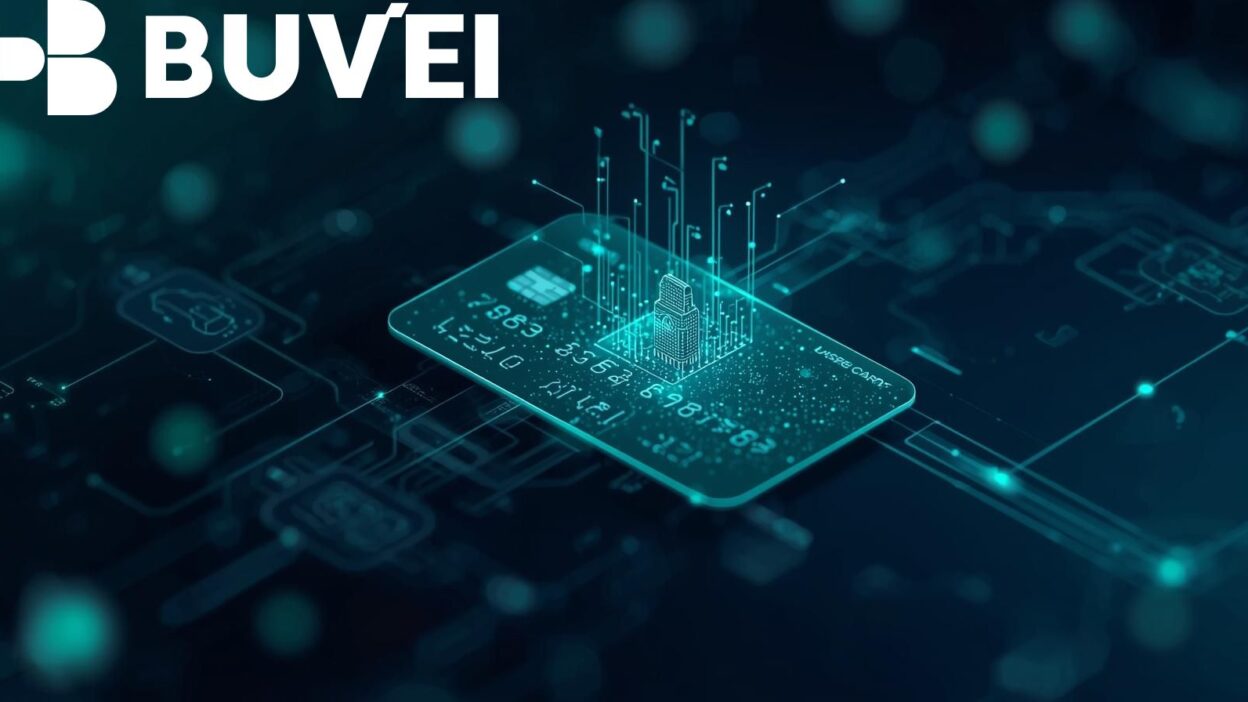
In an increasingly connected world, IoT devices are transforming how we interact with technology, from smart refrigerators to connected cars. Yet, as devices become more autonomous, managing digital payments securely and efficiently becomes a challenge. Enter virtual cards—a fintech innovation that enables seamless, secure transactions without exposing traditional bank account information. Platforms like Buvei are at the forefront, providing businesses and consumers with scalable solutions for automated billing and contactless payments through IoT devices.

How Virtual Cards Enable IoT Payments
Virtual cards are digital payment instruments generated electronically, often linked to a specific bank account or funding source. Unlike physical cards, they exist solely in a digital format, making them ideal for IoT-enabled payments.
IoT devices can be programmed to trigger payments automatically—whether it’s a smart coffee machine replenishing supplies or a connected vehicle paying for tolls—using virtual cards. This minimizes human intervention and reduces the risk of exposing sensitive financial information, ensuring safer, faster transactions.
Benefits of Using Virtual Cards with IoT Devices
Integrating virtual cards into IoT ecosystems offers multiple advantages:
-
Enhanced Security: Each card can be limited to a single transaction or merchant, reducing exposure to fraud.
-
Automated Billing: IoT devices can process payments automatically without manual input.
-
Expense Control: Businesses can set spending limits per device or per transaction, optimizing cash flow.
-
Global Compatibility: Digital virtual cards work across multiple currencies and payment networks, making them suitable for international operations.
By partnering with platforms like Buvei, companies gain access to robust APIs and real-time monitoring tools to streamline IoT payments effectively.
Use Cases in Modern Industry
Virtual cards paired with IoT devices unlock innovative solutions across industries:
-
Smart Retail: Connected vending machines, kiosks, and self-checkout systems can accept automatic payments via virtual cards.
-
Mobility & Transport: Electric vehicles and rideshare services can handle tolls, parking, and fuel payments autonomously.
-
Healthcare: Remote medical devices can order supplies or process insurance-related payments securely.
-
Supply Chain & Logistics: IoT-enabled sensors can trigger vendor payments as goods move through automated warehouses.
These applications illustrate the versatility of virtual cards and the transformative potential of connected ecosystems.
Ensuring Reliability and Compliance
To maximize the benefits of virtual cards in IoT, businesses must prioritize:
-
Transaction Security: End-to-end encryption and tokenization protect data during every transaction.
-
Regulatory Compliance: Adhering to PCI DSS, GDPR, and other relevant financial regulations ensures legal and operational security.
-
Real-Time Monitoring: Platforms like Buvei provide dashboards for tracking spending, detecting anomalies, and managing device-specific accounts.
-
Scalable Integration: IoT systems should integrate smoothly with virtual card APIs, allowing for future expansion without major disruptions.
By focusing on reliability, companies can confidently implement automated IoT payments at scale.
Conclusion
The rise of IoT devices necessitates secure, automated, and scalable payment solutions. Virtual cards provide the perfect tool for this new era of digital payments, enabling autonomous transactions, enhanced security, and smarter financial management. Platforms like Buvei make it easier than ever for businesses to adopt IoT-enabled payment systems, unlocking efficiency, control, and global compatibility. As technology evolves, virtual cards will continue to be a cornerstone of seamless, invisible payments.