Introduction
In today's digital economy, businesses and individuals often face the challenge of managing payments across multiple platforms. From advertising campaigns on Google Ads, Meta Ads, TikTok Ads, and Microsoft Ads to subscriptions for SaaS tools like ChatGPT, Canva, and Notion, efficient and secure payment methods are essential. Two popular options are virtual cards and Apple Pay cards, each offering unique advantages. This article explores their differences and why virtual cards like Buvei can provide a versatile, secure, and cost-effective solution.
Payment Compatibility Across Platforms
One of the most critical factors for cross-platform payments is compatibility.
-
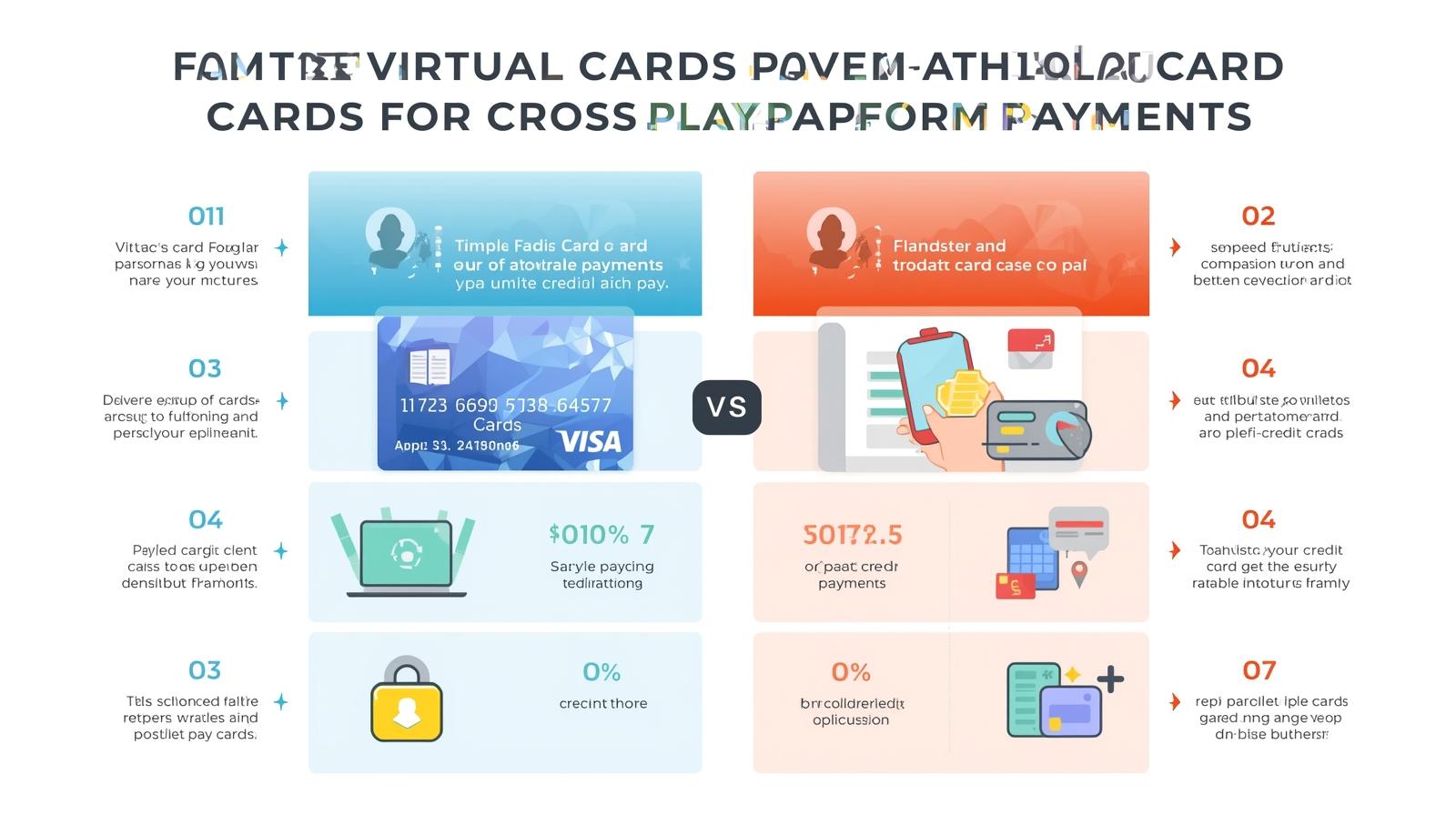
Apple Pay cards work seamlessly within Apple's ecosystem and are ideal for iOS users. They support many online and in-store purchases but have limitations when dealing with some global advertising platforms or subscription services outside Apple's environment.
-
Virtual cards, such as Buvei, excel in cross-platform support. They work reliably across Google Ads, Meta Ads, TikTok Ads, Microsoft Ads, and various SaaS subscriptions. Whether it’s online marketing campaigns, travel expenses, or daily purchases, virtual cards offer broad and stable compatibility.
Key takeaway: For businesses managing payments across multiple platforms, virtual cards provide unmatched versatility.
Top-Up Options and Transaction Costs
Cost efficiency and speed of fund availability are vital.
-
Apple Pay cards are linked to your bank account or credit card. While convenient, topping up for international payments can incur additional fees and slower processing times.
-
Buvei virtual cards support USDT (TRC20/ERC20) top-ups, which offer low-cost transfers and faster account arrival. This makes it ideal for global transactions and businesses looking to reduce remittance fees.
Key takeaway: Virtual cards provide faster, cheaper, and more flexible top-up options compared to Apple Pay.
Security and Privacy Protection
Payment security is increasingly important in cross-border transactions.
-
Apple Pay cards are secure and support tokenization, reducing exposure of card details during payments. However, your transactions are still linked to your main bank account.
-
Buvei virtual cards protect privacy by avoiding the exposure of real bank information, reducing the risk of theft or fraud. They comply with PCI DSS international standards, and multiple cards can be managed securely from a single account.
Key takeaway: Virtual cards provide enhanced privacy and security, making them ideal for both businesses and individual users handling sensitive payments.
Flexibility and Ease of Use
Ease of management and operational efficiency is essential for business payments.
-
Apple Pay cards are easy to use for personal payments but limited when managing multiple accounts or team-based expenses.
-
Buvei virtual cards allow instant card issuance with transparent fees and flexible card limits. Users can open multiple cards, top them up in batches, and manage team expenses efficiently. Real-time online customer service ensures immediate assistance when needed.
Key takeaway: Virtual cards like Buvei provide flexibility, efficiency, and better team collaboration.
Summary
While Apple Pay cards are convenient for iOS users and in-store payments, virtual cards offer unmatched cross-platform compatibility, faster top-ups, enhanced security, and operational flexibility. For businesses running global campaigns, managing subscriptions, or protecting sensitive financial information, virtual cards like Buvei are a smarter choice.
New User Offer: Get 40% off when you register now! A discount coupon will be automatically sent to your account after registration. Start using Buvei virtual cards today for secure, cross-platform payments!