As digital payments evolve, businesses and individuals are moving away from traditional banking tools toward smarter, safer, and more flexible options. Two popular choices—virtual cards and prepaid cards—may seem similar but serve very different purposes.
This article explains their key differences, explores the best use cases for each, and highlights how Buvei helps users take advantage of virtual card technology to simplify global payments while maintaining control, speed, and security.
Understanding the Basics
Virtual Cards are digital payment cards generated instantly online. They come with a unique card number, CVV, and expiry date—just like a physical card—but exist entirely in digital form. Users can create multiple cards for different transactions, platforms, or team members.
Prepaid Cards, on the other hand, are physical or digital cards that need to be preloaded with funds before use. They can be used in-store or online and often serve as an alternative for users without access to traditional bank accounts.
Key takeaway:
Virtual cards focus on online convenience, privacy, and instant issuance, while prepaid cards emphasize budget control and accessibility.
Main Differences Between Virtual and Prepaid Cards
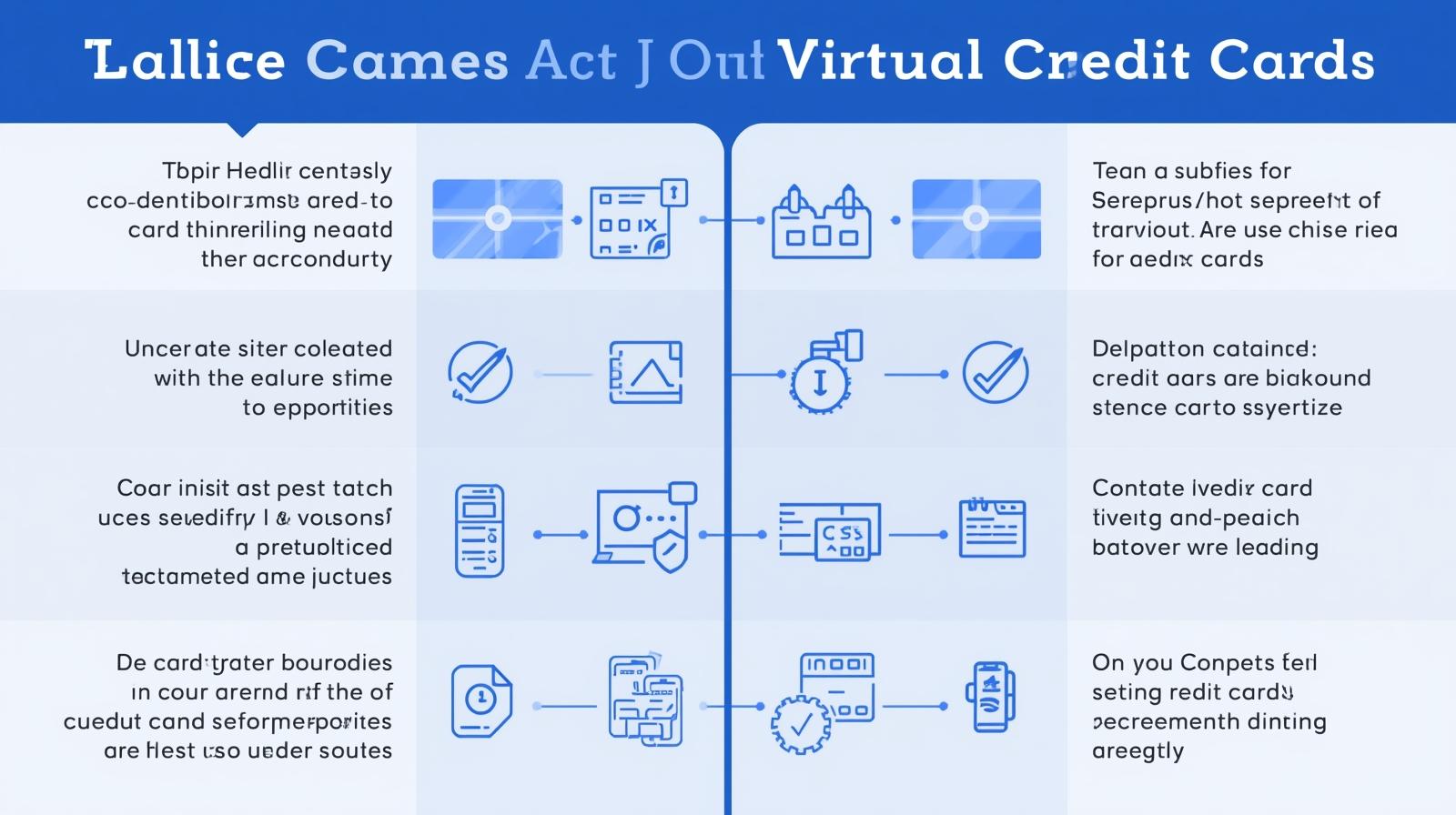
| Feature | Virtual Cards | Prepaid Cards |
|---|---|---|
| Format | 100% digital (no physical card) | Can be physical or digital |
| Use Case | Online payments, SaaS subscriptions, ads | In-store or online purchases |
| Security | High — no real banking data exposed | Moderate — limited protection if lost |
| Issuance Speed | Instant | Usually requires processing or shipping |
| Control | Can create and freeze cards instantly | Must manage top-ups manually |
| Privacy | Excellent — ideal for online safety | Standard — physical usage increases exposure |
Virtual cards are ideal for fast-paced digital operations, offering enhanced privacy, instant creation, and custom spending limits.
Prepaid cards suit individuals seeking cash-free convenience and fixed budgets but come with slower setup and fewer online management tools.
When to Use Virtual Cards
Virtual cards shine in situations requiring speed, control, and online security. Here are common use cases:
-
Digital Advertising: Perfect for managing ad spend across Google Ads, Meta, TikTok, and Microsoft Ads. You can assign a unique card per campaign for easier expense tracking.
-
SaaS Subscriptions: Simplify payments for tools like ChatGPT, Canva, and Notion by setting monthly spending caps.
-
Team and Freelancer Management: Issue separate cards to each team member, monitor expenses in real time, and prevent misuse.
-
Travel and Online Shopping: Safe and convenient payments without exposing your main account information.
💡 Buvei makes this process seamless. With instant virtual card issuance, multi-account management, and USDT top-up support, you can start using cards right after registration—no lengthy KYC or waiting period required.
When to Use Prepaid Cards
Prepaid cards remain useful in certain cases, especially for offline or personal transactions:
-
Budgeting: Set aside funds for specific purposes, such as travel or gifts.
-
Accessibility: Great for users who don’t qualify for credit cards.
-
Physical Payments: Useful for in-store transactions or ATMs.
However, they lack the instant scalability and automation that virtual cards provide for businesses operating online.
Buvei: Making Virtual Payments Smarter
Buvei offers an advanced virtual card solution tailored for global users who value speed, control, and payment success.
Buvei’s Advantages and Highlights:
-
Multiple BIN Support, Boosting Payment Success Rates
Covering global Visa/Mastercard BINs, Buvei optimizes success across different platforms and business types. -
Strong Payment Compatibility
Works seamlessly with Google Ads, Meta Ads, TikTok Ads, and SaaS tools like ChatGPT, Canva, and Notion—plus everyday shopping and travel. -
USDT Top-up: Low Cost and Fast Arrival
Supports USDT (TRC20/ERC20) top-ups, minimizing fees and speeding up fund availability. -
Instant Card Issuance: Easy to Use
Create cards in seconds with no complex verification, ensuring instant readiness for global payments. -
Transparent Fee Structure
No hidden fees. Buvei clearly displays all costs in the backend for easy financial planning. -
Security and Privacy Protection
PCI DSS–compliant technology keeps user data secure and private. -
Multi-Account Management & Real-Time Support
Manage multiple cards from one dashboard and access 24/7 customer support for fast resolutions.
Summary
Virtual cards and prepaid cards both offer cashless convenience, but they cater to different needs.
-
Use prepaid cards for simple, limited offline payments.
-
Choose virtual cards for fast, flexible, and secure online transactions—especially when managing ads, teams, or global SaaS subscriptions.
With Buvei, users can unlock the full potential of virtual cards—from instant issuance to global compatibility—all while enjoying lower fees, stronger security, and real-time support.
Ready to streamline your online payments and protect your privacy?
Start your virtual card journey with Buvei today and experience smarter, faster, and safer transactions worldwide.