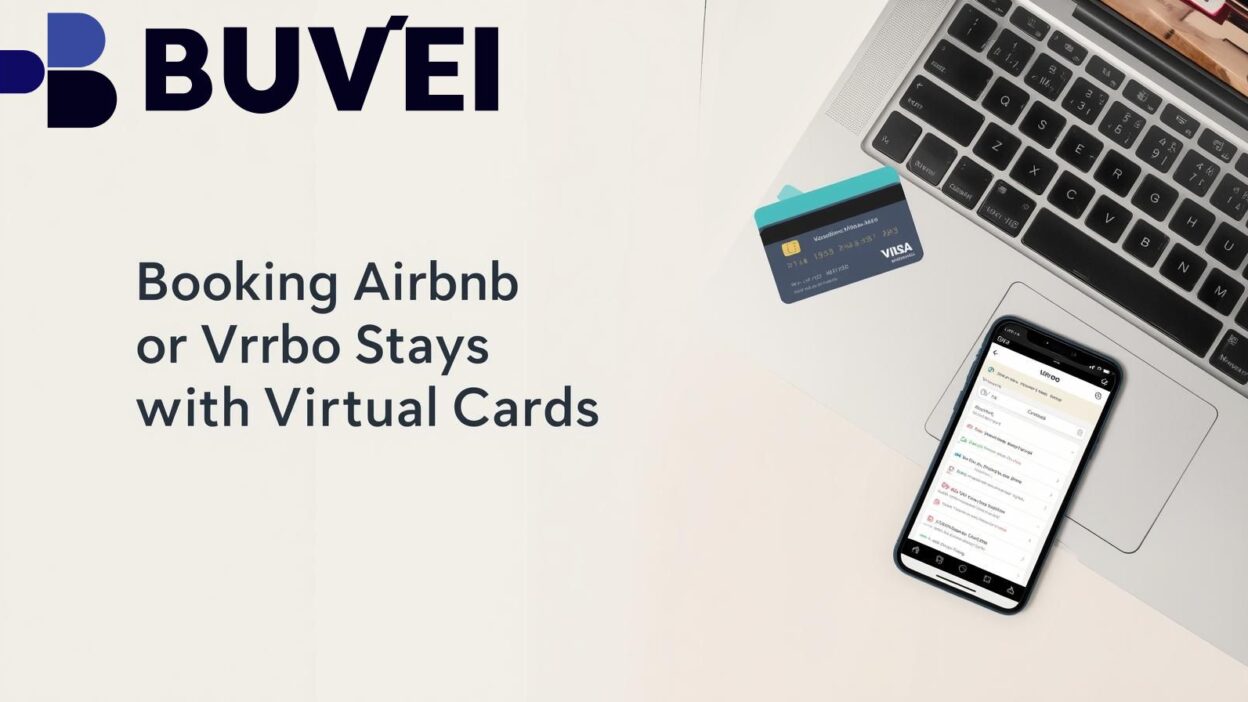
Short-term rentals through platforms like Airbnb and Vrbo have become essential for both leisure and business travelers. Yet, many guests face issues when using traditional credit or debit cards, such as blocked payments, security risks, or unexpected foreign transaction fees. This is where virtual cards step in as a secure and flexible alternative.
By leveraging platforms like Buvei, travelers can simplify payments, protect their financial data, and streamline booking management across multiple stays. This article explains why booking with a virtual card is not only safer but also smarter, offering strategies to ensure seamless Airbnb and Vrbo transactions. 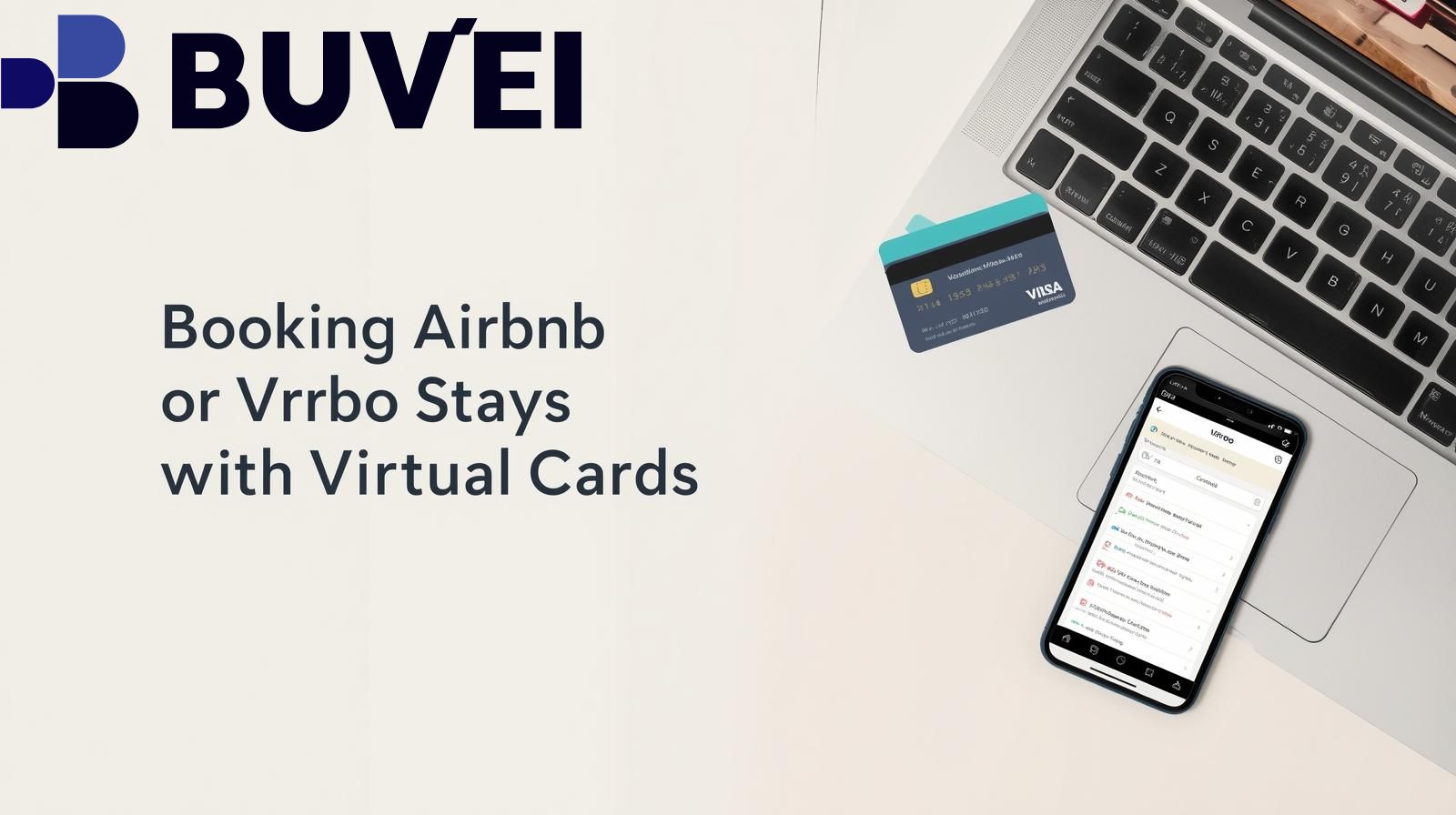
Why Use Virtual Cards for Airbnb and Vrbo?
Booking accommodation often requires storing card details on third-party platforms, which increases the risk of fraud or unauthorized charges. A virtual card provides:
-
Enhanced security: Single-use or limited-duration card numbers protect your primary account.
-
Global acceptance: Virtual cards issued through providers like Buvei are widely accepted by Airbnb and Vrbo, ensuring smooth transactions.
-
Budget control: You can pre-set spending limits, avoiding accidental overspending or hidden fees.
-
Privacy: Your real card details remain undisclosed, giving you peace of mind while booking internationally.
This makes virtual cards particularly appealing for frequent travelers, digital nomads, or corporate teams managing multiple reservations.
Avoiding Common Payment Issues
Many travelers experience booking failures due to mismatched billing addresses, declined cross-border transactions, or strict fraud checks by banks. A Buvei virtual card helps minimize these risks by:
-
Matching billing addresses: Cards can be customized with the required billing information for Airbnb or Vrbo.
-
Reducing foreign transaction fees: Virtual cards help bypass costly FX charges when booking in another currency.
-
Simplifying refunds and cancellations: If a host cancels your stay, funds are refunded directly back to the virtual card, separating travel budgets from personal accounts.
For business travelers, this ensures expense tracking is straightforward, reducing accounting complexity.
Managing Multiple Bookings with Ease
Frequent Airbnb and Vrbo users—such as travel agencies, relocation firms, or startup teams—often manage multiple reservations at once. This can be chaotic when handled on one physical card.
With Buvei, you can:
-
Create dedicated cards for each stay to track spending by property.
-
Issue cards for team members traveling under one account, ensuring cost transparency.
-
Revoke or close cards instantly if a trip is canceled, preventing unnecessary charges.
This level of control turns virtual cards into a strategic tool, especially for corporate travel management.
How to Book Airbnb or Vrbo with Buvei Virtual Cards
The process is straightforward:
-
Sign up for Buvei and generate a new virtual card.
-
Load funds or link it to your preferred payment source.
-
Enter the card details on Airbnb or Vrbo during checkout.
-
Confirm your booking and receive instant protection with built-in spending controls.
The entire process takes minutes and offers far more flexibility than traditional banking methods.

Conclusion
Whether for leisure or business, booking through Airbnb or Vrbo comes with inherent payment risks that traditional cards don’t fully address. A virtual card solution like Buvei enhances security, minimizes transaction issues, and simplifies management across multiple stays.
As cross-border travel continues to grow, adopting a virtual card strategy isn’t just a convenience—it’s a necessity for safe, efficient, and cost-effective bookings. By choosing Buvei, travelers and businesses gain a competitive edge in managing their accommodation expenses with confidence.