Online shopping has become a part of daily life, from ordering groceries and paying for subscriptions to shopping for clothes or electronics. Alongside this trend, virtual cards are emerging as a preferred payment tool for consumers seeking security and flexibility. Unlike traditional bank cards, virtual cards are digital-only, generated instantly, and often come with features such as spending limits and temporary card numbers.
This article explores the advantages and disadvantages of using virtual cards for everyday online shopping, highlights recent policy and regulatory considerations, and introduces Buvei, a professional virtual card solutions platform designed to simplify global payments.
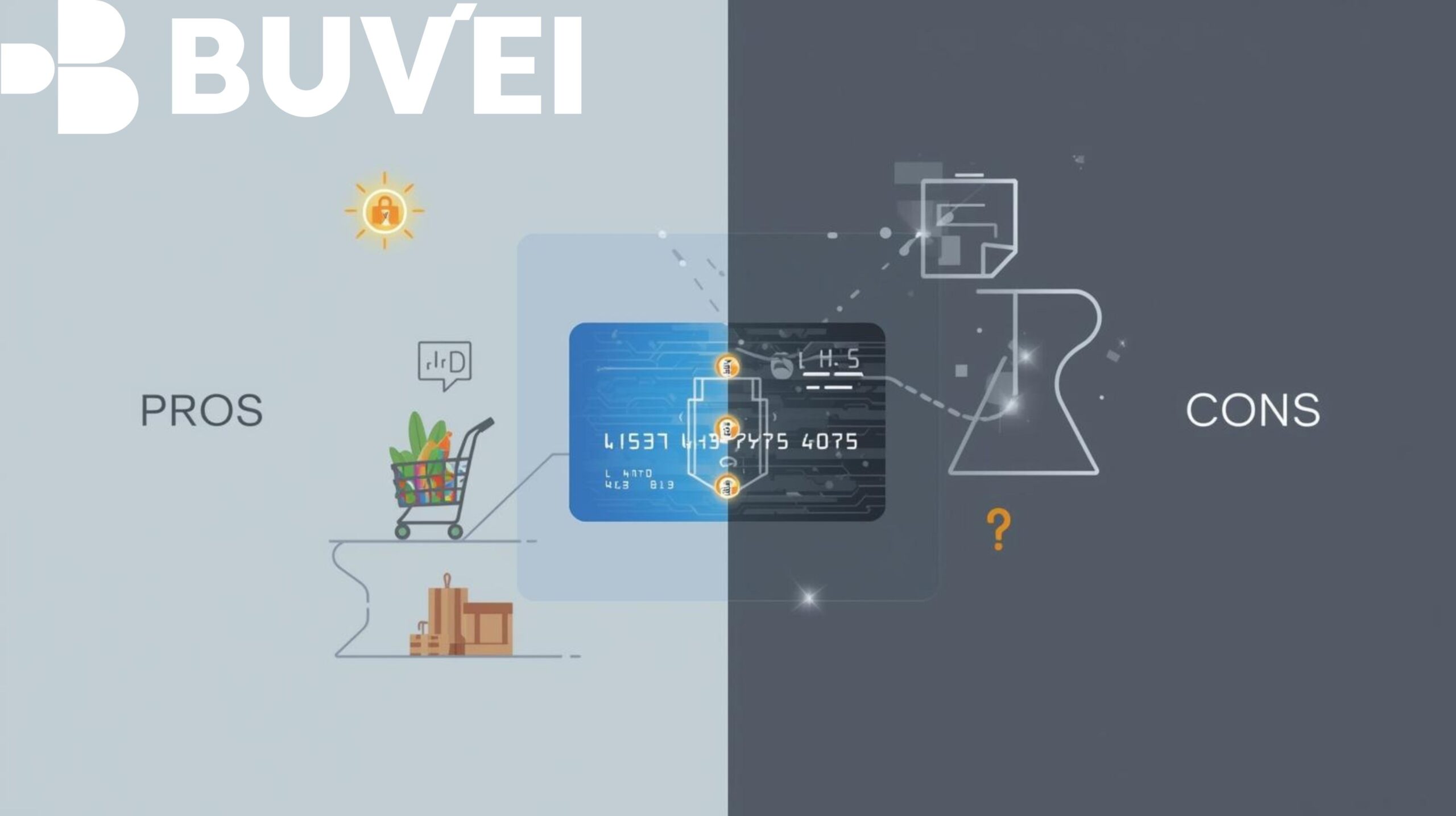
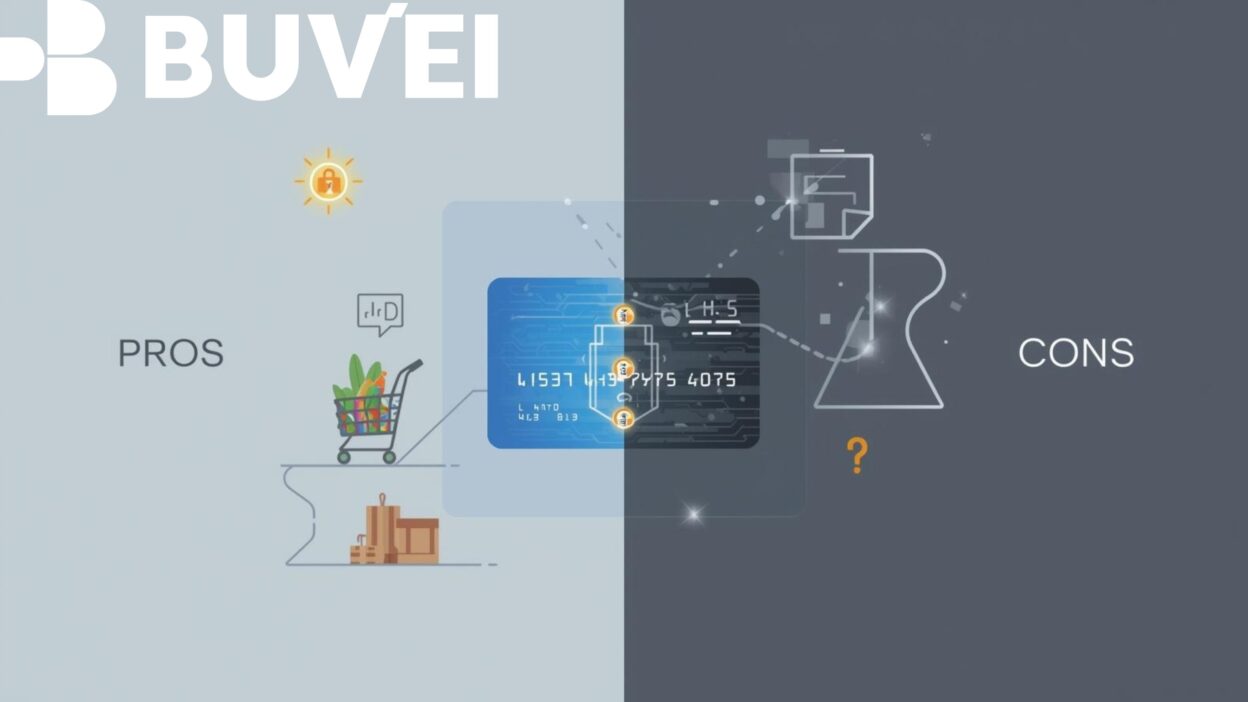
Pros of Using Virtual Cards for Online Shopping
Enhanced Security
One of the biggest advantages of virtual cards is fraud prevention. Since they generate unique card numbers for each transaction or merchant, they limit the risk of your primary bank card being exposed in case of a data breach. Many regulators, such as the European Union under PSD2 (Payment Services Directive 2), emphasize stronger authentication and transaction monitoring, making virtual cards compliant with these security measures.
Spending Control
Virtual cards allow users to set transaction limits, expiration dates, or one-time use numbers, making them ideal for managing daily spending. For example, consumers can cap a card at $100 for a single online purchase, reducing risks of unauthorized charges.
Privacy Protection
Using a virtual card means merchants won’t have access to your main banking details. This reduces the chance of misuse and helps maintain financial privacy, particularly in international e-commerce where data protection standards may vary.
Easy Integration with Platforms
Virtual cards can be seamlessly used on platforms such as Amazon, eBay, Alibaba, or Netflix subscriptions, making them as convenient as traditional debit or credit cards.
Cons of Using Virtual Cards for Online Shopping
Limited Acceptance
While acceptance is growing, not all merchants support virtual cards. Some platforms still require a physical card verification or recurring billing tied to a traditional card.
Refund Complications
Refunds can be more complex if tied to a temporary or expired virtual card. In many cases, the amount is still credited back to your underlying account, but the process may take longer.
Subscription Challenges
Certain services that require recurring payments may reject cards with strict limits or short expiration dates. This can create inconvenience if not carefully managed.
Dependency on Issuer Policies
Not all banks or fintech companies offer the same flexibility. Some virtual cards may come with restrictions depending on regulatory frameworks such as Know Your Customer (KYC) and anti-money laundering (AML) requirements.
Policy and Regulatory Considerations
Governments and regulators worldwide are increasingly focusing on digital payment security. For instance:
-
The EU’s PSD2 directive mandates stronger customer authentication, which aligns with virtual card technology.
-
In the United States, the Federal Trade Commission (FTC) advises consumers to use secure payment methods for online transactions, with virtual cards often listed as a safer alternative.
-
In Asia, markets like Singapore and Hong Kong encourage fintech innovation under regulatory sandboxes, making virtual cards a viable tool for international e-commerce.
These regulatory frameworks provide legitimacy to virtual cards, giving consumers more confidence in adopting them for everyday shopping.
Why Choose Buvei for Virtual Card Solutions?
While many providers offer virtual cards, Buvei stands out as a professional platform tailored for global online shopping and cross-border transactions.
-
Multiple Currencies: Buvei supports transactions across different currencies, making it ideal for international e-commerce.
-
Customizable Limits: Users can generate cards with daily, weekly, or monthly caps, ensuring better budget management.
-
Regulatory Compliance: Buvei operates in line with global financial regulations, reducing risks associated with compliance.
-
User-Friendly Dashboard: The platform simplifies virtual card issuance and tracking, making it accessible for both individuals and businesses.
For consumers looking for secure, reliable, and flexible payment options, Buvei offers a practical solution that bridges security with convenience.

Conclusion
Virtual cards are transforming the way people manage everyday online shopping. Their security, privacy, and spending control benefits make them a powerful tool in the digital economy. However, they also come with certain limitations, including acceptance issues and refund challenges, which consumers should evaluate before fully switching.
With increasing global regulations prioritizing secure online payments, virtual cards are likely to see broader adoption. Platforms like Buvei not only make it easier for consumers to shop safely but also ensure compliance and global usability. For anyone engaging in frequent online purchases, virtual cards represent a smart step toward secure and controlled digital payments.