
Introduction
In today’s digital advertising ecosystem, collaboration between fintech companies and marketing agencies is driving new growth opportunities. One of the most effective collaboration frameworks is the revenue share model, where both sides benefit directly from shared financial outcomes.
This article explores how advertising alliances use revenue share models, the benefits they bring, and how payment partners like Buvei enable these collaborations with advanced virtual card technology.
What Are Revenue Share Models?
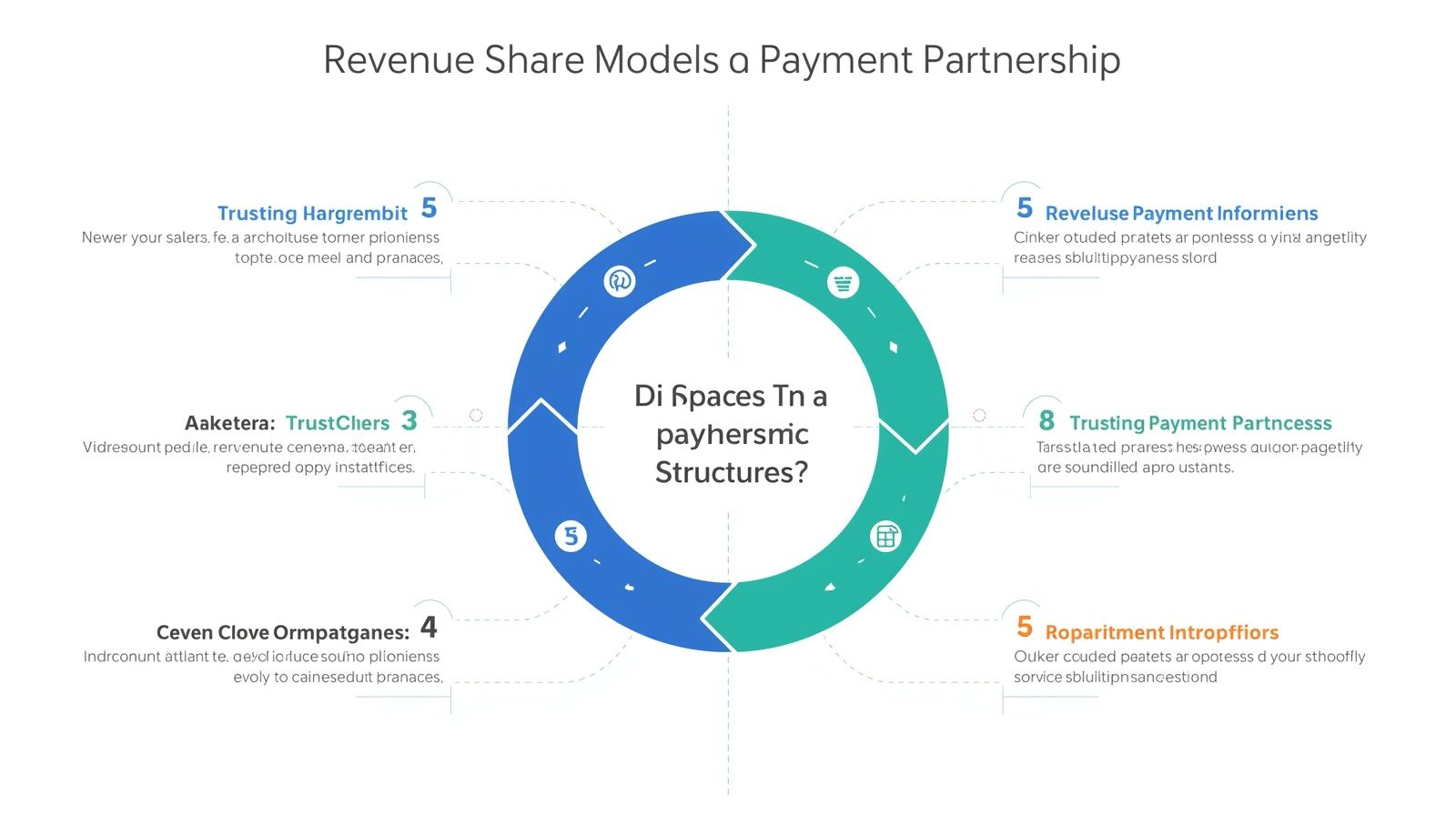
A revenue share model is a business arrangement where two or more partners split the profits generated from a shared initiative. In the context of advertising alliances, fintechs and agencies align their goals by linking compensation directly to campaign results.
-
Agencies gain access to advanced financial tools.
-
Fintech companies, like Buvei, expand their user base.
-
Both sides share in the upside when campaigns perform well.
This creates a win-win dynamic, aligning incentives for long-term success.
Benefits for Advertising Alliances
The main advantage of revenue share partnerships is risk reduction. Instead of agencies bearing upfront costs, expenses can be tied to actual ad performance. Key benefits include:
-
Aligned incentives: Everyone works toward maximizing ROI.
-
Flexibility: Costs scale with campaign results.
-
Sustainability: Encourages long-term partnerships.
Virtual cards enhance this model by offering precise expense tracking, which is vital for calculating accurate revenue shares.
How Virtual Cards Fit In
Virtual cards play a critical role in enabling revenue share partnerships. With features like real-time spend monitoring and transaction-level reporting, agencies can allocate ad budgets across campaigns without losing control.
Buvei provides unique advantages for partners operating under revenue share models:
-
Multiple BIN Support to maximize payment success across platforms like Google Ads, Meta Ads, and TikTok Ads.
-
USDT Top-up for low-cost, fast fund transfers—ideal for global partnerships.
-
Transparent Fee Structure, ensuring no hidden charges eat into revenue shares.
-
Multi-Account Management, allowing agencies to issue bulk cards for multiple clients under one system.
This combination empowers agencies and fintechs to build trust and transparency into their partnerships.
Best Practices for Payment Partnerships
To maximize the impact of revenue share models in advertising alliances, consider these practices:
-
Clear agreement terms – Define revenue split ratios, billing cycles, and reporting standards.
-
Use of secure virtual cards – Protect payment data while offering flexibility.
-
Real-time reporting – Ensure both sides have visibility into ad spend and revenue performance.
-
Scalable solutions – Partner with providers like Buvei that support instant issuance and global payment compatibility.
By combining strategic planning with the right tools, agencies and fintech partners can create sustainable, profitable collaborations.
Summary
Revenue share models are becoming the backbone of advertising alliances, aligning fintechs and agencies around shared financial outcomes. The model thrives on trust, transparency, and accurate financial tracking, which is where virtual cards excel.
Buvei enhances this partnership model by offering:
-
Multiple BIN Support for higher success rates.
-
Strong payment compatibility across ad platforms and SaaS.
-
USDT top-up for faster and cheaper global funding.
-
Transparent fee structures with no hidden costs.
For agencies and fintechs, adopting Buvei’s virtual card solutions means building more efficient, secure, and scalable partnerships.
Ready to strengthen your advertising alliance with smarter payment tools? Start with Buvei virtual cards—designed to simplify payments, boost efficiency, and support scalable revenue share partnerships.