Introduction
The rapid growth of cross-border payments has created demand for tools that combine speed, security, and flexibility. Traditional banking methods often struggle with high fees, slow processing times, and complex compliance requirements. This is where virtual cards have emerged as a core solution. By offering instant issuance, global compatibility, and enhanced privacy, they are reshaping how individuals and businesses transact across borders.
Providers like Buvei are at the forefront of this trend, helping global users streamline payments for advertising, SaaS subscriptions, travel, and e-commerce with advanced virtual card solutions.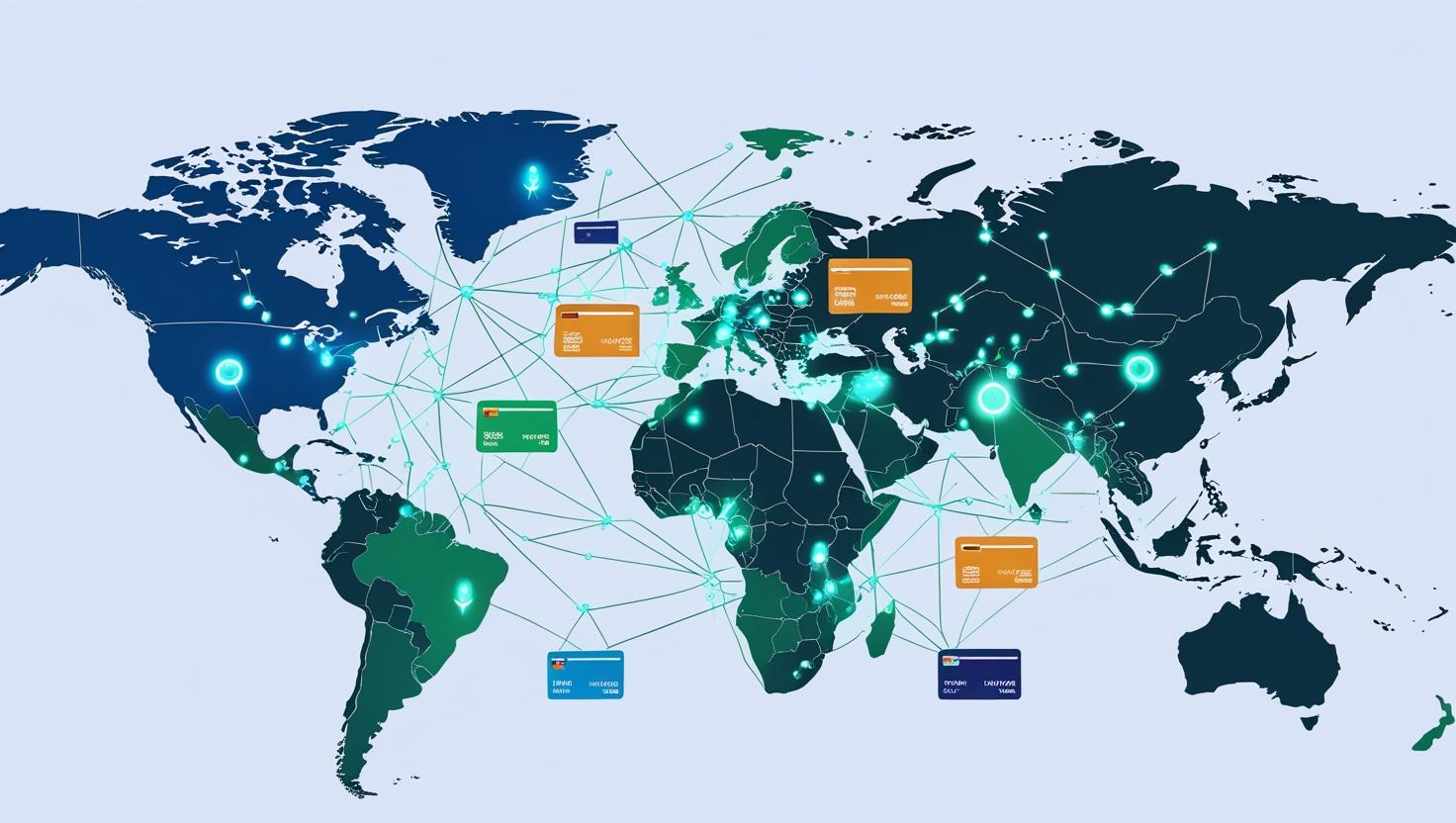
Simplifying Global Transactions
One of the biggest challenges in cross-border payments is the lack of consistency across financial networks. Traditional wire transfers or international bank cards often face:
-
High transaction fees
-
Currency conversion costs
-
Delays due to intermediary banks
Virtual cards resolve these challenges by offering instant access to global payment networks like Visa and Mastercard. With multiple BIN support, platforms such as Buvei optimize payment success rates across different regions and advertising channels, making it easier for businesses to operate worldwide without payment interruptions.
Enhancing Payment Compatibility
Global businesses rely on a diverse set of platforms for marketing, SaaS, and commerce. A payment tool must be universally accepted to be effective.
Virtual cards provide strong payment compatibility, enabling smooth transactions across major ecosystems, including:
-
Advertising platforms: Google Ads, Meta Ads, TikTok Ads, Microsoft Ads
-
SaaS tools: ChatGPT, Canva, Notion, and others
-
E-commerce and travel: Secure online shopping and international bookings
Buvei’s solutions stand out in this area, supporting both individual freelancers and large teams who need reliable and flexible payments across multiple platforms.
Lower Costs and Faster Processing
Cross-border payments are often slowed down by high remittance fees and long settlement cycles. Virtual cards, however, significantly reduce these barriers.
For example, Buvei supports USDT top-ups (TRC20/ERC20), which:
-
Reduce the cost of international transfers
-
Ensure faster arrival of funds compared to traditional banking
-
Offer flexibility for businesses managing global transactions in real time
This makes virtual cards not only more affordable but also more efficient for fast-paced industries like digital advertising and online services.
Security, Privacy, and Control
Security remains a top priority in global finance, especially when sensitive payment data is involved. Virtual cards offer a secure alternative by minimizing exposure of bank details and enabling custom spending controls.
Key benefits include:
-
PCI DSS compliance for international payment security
-
The ability to set card limits to manage budgets effectively
-
Options for multi-account management, helping teams create and manage multiple cards for campaigns or departments
-
Enhanced privacy protection, reducing the risk of fraud and theft
Buvei further enhances the user experience by offering real-time customer service and dedicated account managers, ensuring smooth issue resolution at any stage of the transaction process.
Summary
The rise of virtual cards marks a turning point for cross-border payments. Their ability to simplify global transactions, ensure compatibility, reduce costs, and enhance security makes them a core tool for businesses and individuals alike.
Ready to optimize your cross-border payments? Discover how Buvei’s virtual cards can simplify your global transactions today.