Introduction
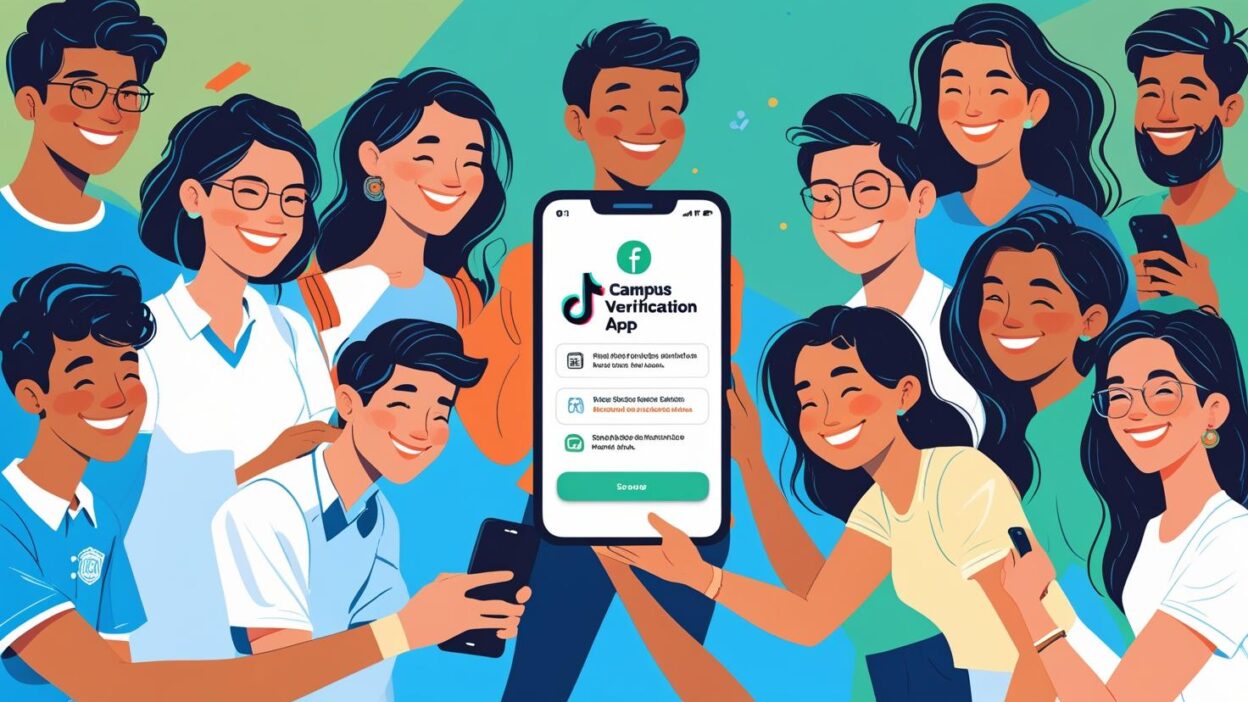
TikTok has become one of the most influential social platforms among young people, and now it is taking a bold step toward real-world networking. With the launch of Campus Verification, TikTok aims to help college students connect with classmates on their own campuses. This move is reminiscent of Facebook’s early days, when it began as a student-only platform for Harvard before expanding worldwide.
Campus Verification is now available across 6,000+ universities through a partnership with UNiDAYS, a global student verification service. The feature offers opportunities for community building but also sparks conversations about privacy, safety, and data protection policies.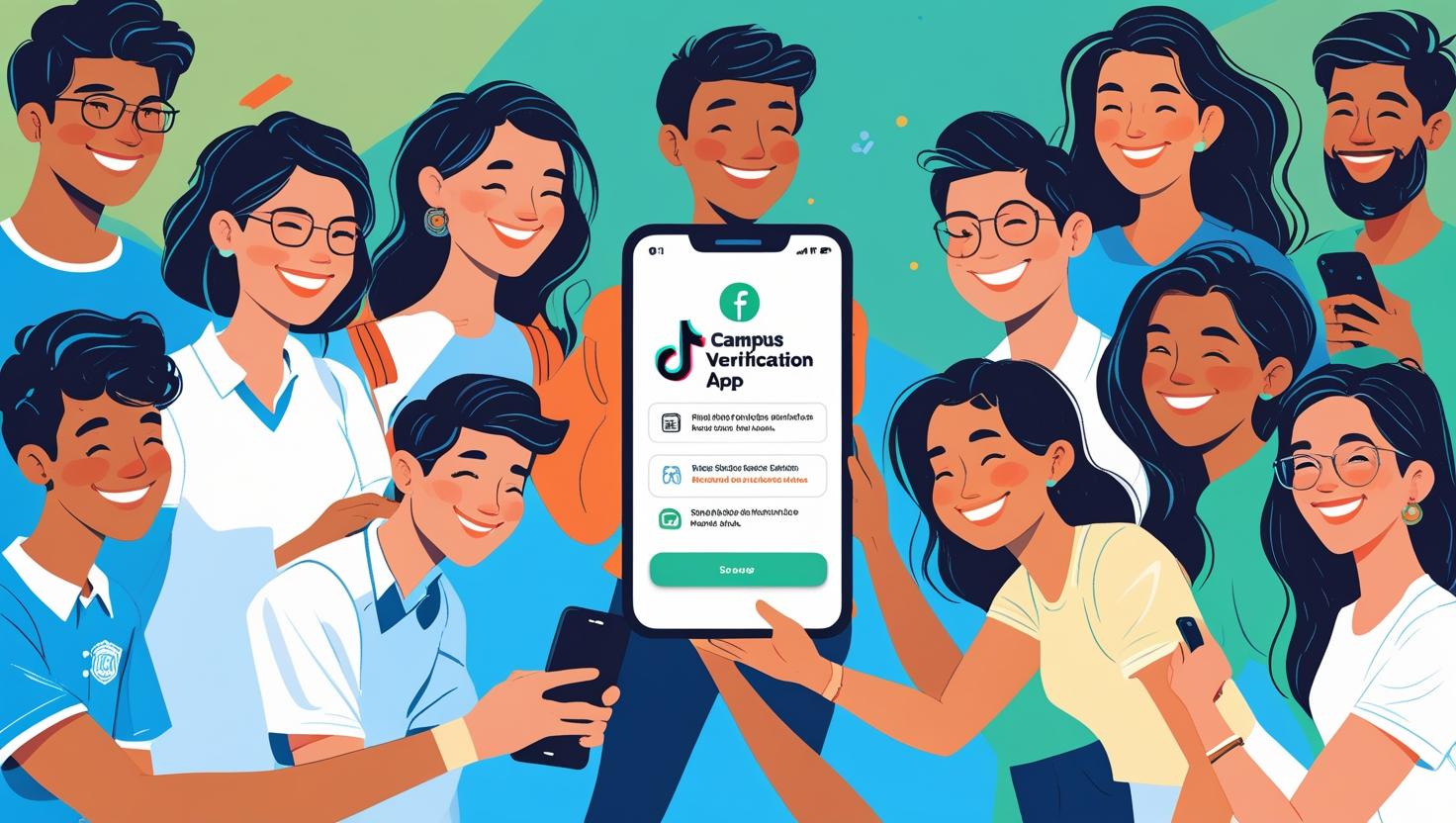
How TikTok Campus Verification Works
The Campus Verification process is designed to ensure authenticity while making it easy for students to set up:
-
Users go to their profile and select “Add school”.
-
They enter their school name and graduation year.
-
To verify, they provide an official academic email address.
-
Once confirmed, their college name and graduation year appear on their profile.
Students can then browse their school’s dedicated page, filter peers by graduation year, and explore classmates’ profiles. There is also an option to sort users by popularity (follower count), creating visibility for student creators and influencers.
This system is made possible through UNiDAYS, which specializes in verifying student identities across thousands of institutions worldwide.
Benefits for College Students
TikTok’s Campus Verification brings a range of potential advantages for student communities:
-
Stronger networking opportunities: Students can more easily meet peers, collaborators, and classmates within their university.
-
Campus culture and events: Clubs, organizations, and student activities can gain visibility through verified student groups.
-
Creator growth: Rising student influencers can grow their following within a trusted, campus-based audience.
-
Blending online and offline life: Unlike traditional TikTok use, this feature links digital profiles with real-world identity, fostering genuine community engagement.
For universities, this could enhance digital engagement, recruitment, and student interaction—acting like a modern version of student directories or bulletin boards.
Risks, Privacy Concerns, and Policy Implications
Despite the benefits, TikTok’s Campus Verification also raises important concerns:
-
Privacy and tracking risks: Displaying a school and graduation year may expose students to potential unwanted attention or online stalking.
-
Sensitive data collection: The use of academic email addresses introduces new responsibilities for TikTok in safeguarding sensitive information.
-
Optional participation: TikTok emphasizes that Campus Verification is not mandatory. Students who prefer to keep their TikTok identity separate from academic life can simply opt out.
-
Policy and regulatory oversight: With global scrutiny of TikTok’s data practices, regulators may investigate compliance with:
-
FERPA (Family Educational Rights and Privacy Act) in the U.S., which protects student education records.
-
GDPR (General Data Protection Regulation) in Europe, ensuring transparency and consent in data collection.
-
COPPA (Children’s Online Privacy Protection Act), although TikTok requires users to be at least 13, still relevant for younger college students.
-
Universities and policymakers will likely push for clear safeguards to ensure that verified student data is not misused.
Competitive Landscape and Industry Trends
TikTok’s move highlights a growing shift in social media strategies:
-
Facebook’s origin story: Facebook began as a campus-only tool for Harvard students in 2004. TikTok appears to be tapping into the same formula, but with a short-form video community twist.
-
Instagram’s experiments: In 2022, Instagram tested a similar student connection feature, allowing users to add school information and graduation year. However, its rollout status remains unclear.
-
Trend toward niche communities: Platforms are increasingly segmenting audiences into specific identity-driven groups—students, professionals, or location-based users—rather than only relying on global content feeds.
By targeting Gen Z students, TikTok positions itself not only as an entertainment app but also as a social networking hub. This could deepen user engagement and differentiate it from competitors.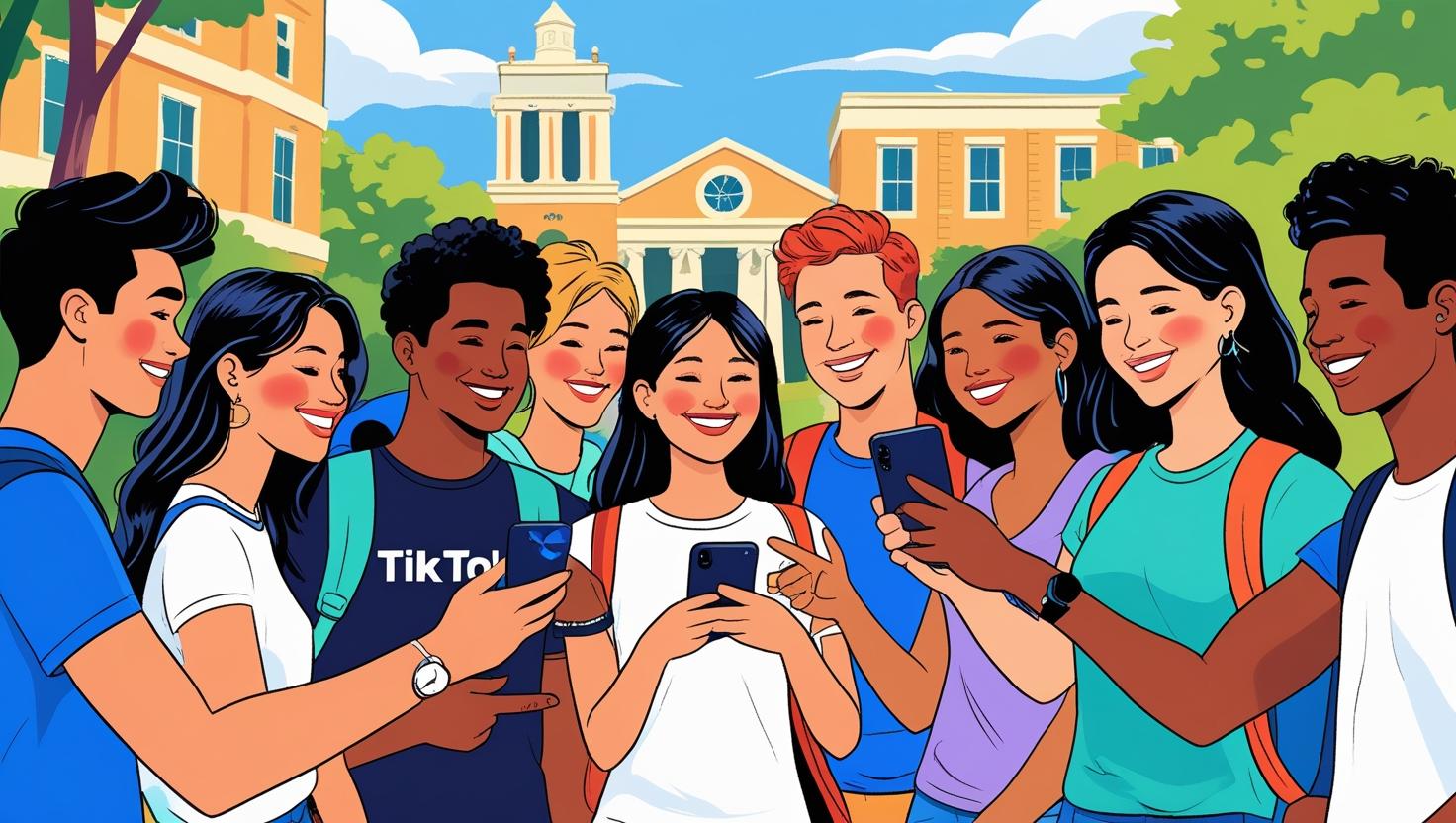
Summary
TikTok’s new Campus Verification feature represents a significant step in transforming the platform into a hub for real-world student connections.
Benefits include:
-
Easier networking and student discovery
-
Stronger campus culture
-
Opportunities for influencers and creators
Challenges include:
-
Privacy and safety concerns
-
Data collection and protection risks
-
Regulatory compliance with education and privacy laws
Ultimately, TikTok must strike a balance between community-building and safeguarding student identities. For students, the decision to use Campus Verification depends on their comfort level with blending personal and academic life online.
As social media continues to evolve, features like Campus Verification signal a move toward more localized, identity-driven online communities. Whether this becomes a long-term success for TikTok will depend on both adoption and trust.