Finance teams are under constant pressure to manage budgets, monitor spending, and ensure compliance—all while keeping processes efficient. Traditional payment methods, such as corporate cards and wire transfers, often create bottlenecks, reduce transparency, and increase costs.
Virtual cards have emerged as a powerful solution to these challenges, helping finance teams simplify payment management, reduce fraud risks, and scale operations smoothly. By integrating virtual card solutions, finance teams can gain better visibility and control over expenses while enabling their companies to move faster in today’s digital economy.

Improved Transparency and Expense Control
One of the biggest advantages of virtual cards is real-time expense visibility. Finance teams can issue cards for specific departments, projects, or vendors, ensuring every transaction is tracked.
Key benefits include:
-
Assigning budgets per card to avoid overspending.
-
Tracking payments instantly with detailed reporting.
-
Restricting use to approved platforms or suppliers.
This not only streamlines budget reconciliation but also reduces administrative effort. With Buvei’s virtual card solution, finance teams can easily set spending limits and monitor all transactions from one dashboard, making financial management more precise and efficient.
Enhanced Security and Fraud Protection
Traditional corporate cards expose sensitive information, making businesses vulnerable to fraud and theft. Virtual cards solve this issue by providing tokenized, one-time-use or project-specific credentials.
Finance teams can:
-
Instantly freeze or cancel cards in case of misuse.
-
Reduce risks by separating spending across multiple cards.
-
Rely on PCI DSS–compliant security standards.
With Buvei, security is further enhanced through privacy protection features that prevent real account exposure. This gives finance teams peace of mind when handling large volumes of digital transactions.

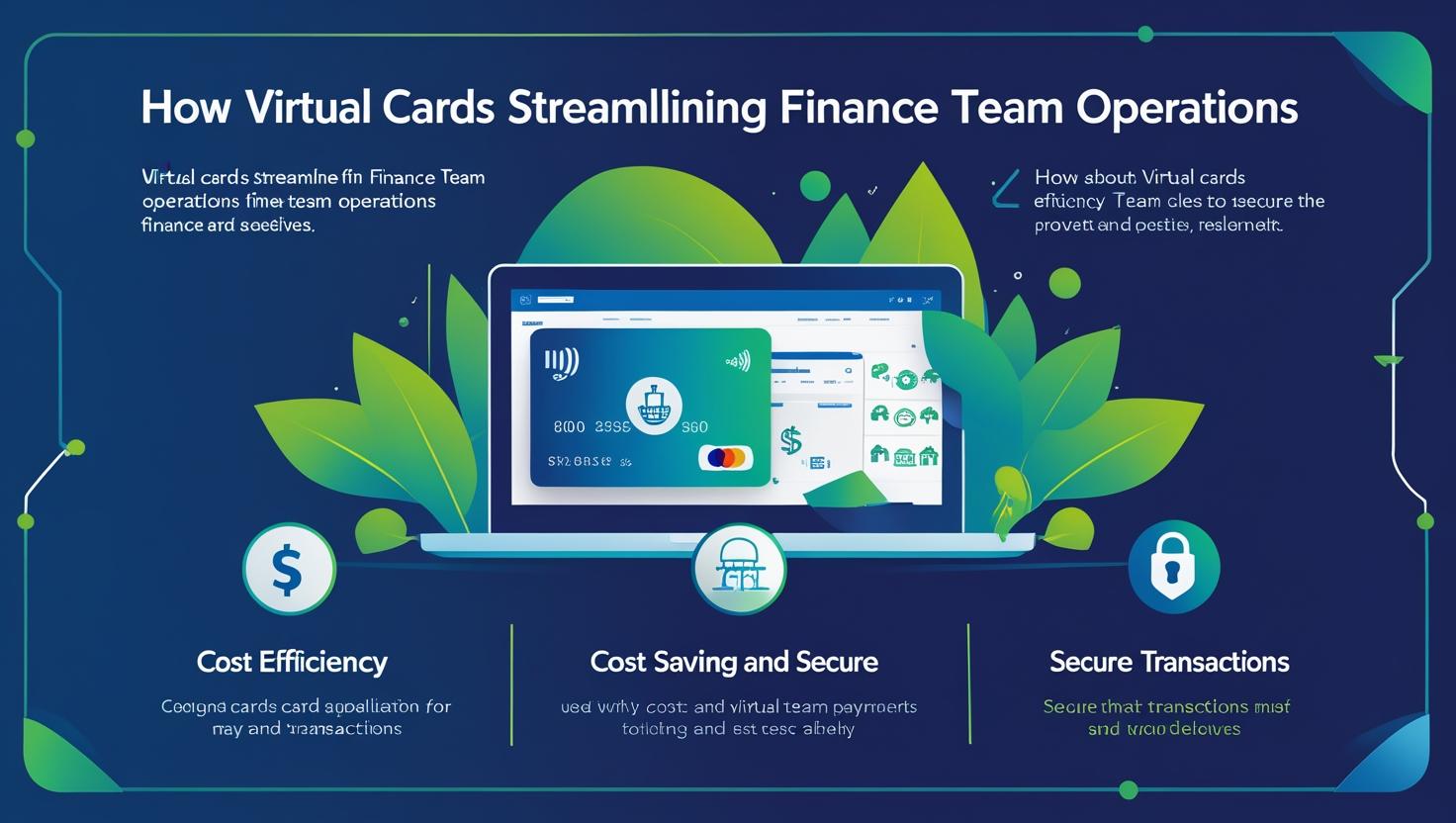
Cost Savings and Operational Efficiency
Finance departments often face hidden fees, high transaction costs, and delays in international transfers. Virtual cards reduce these pain points by offering:
-
Instant issuance without complex KYC procedures.
-
USDT (TRC20/ERC20) top-up support, lowering remittance costs.
-
Transparent fee structures, with no hidden charges.
Buvei takes this further by supporting multiple BIN regions (Visa/Mastercard), improving transaction success rates across platforms like Google Ads, Meta Ads, TikTok Ads, and Microsoft Ads. For finance teams managing digital advertising budgets, this ensures higher efficiency and fewer failed payments—directly contributing to cost savings.
Scalability and Simplified Team Management
As companies expand, finance teams must juggle more accounts, vendors, and departments. Virtual cards make scaling easier by supporting multi-account management.
With Buvei, teams can:
-
Create and manage multiple virtual cards from a single account.
-
Open cards in batches to support new projects quickly.
-
Enable real-time customer service for instant issue resolution.
This flexibility reduces manual workloads, speeds up approvals, and ensures smooth collaboration across finance and operational teams.
Conclusion
Virtual cards are no longer just a convenient payment method—they are a strategic tool for finance teams aiming to streamline operations, improve security, and cut costs. By offering real-time transparency, better fraud prevention, and scalable management, virtual cards empower finance departments to focus on strategy instead of administrative tasks.
With advanced providers like Buvei, businesses can enjoy even greater benefits, from multiple BIN support to instant card issuance and transparent fees. For finance teams seeking smarter, faster, and safer ways to manage payments, virtual cards are the future of corporate financial operations.